Neighbor News
What Should I Do With Used Electronics? A Complete Guide to Device Disposal
Finding ways to reuse or recycle your electronic device at the end of its lifespan is much more environmentally-friendly than storage.
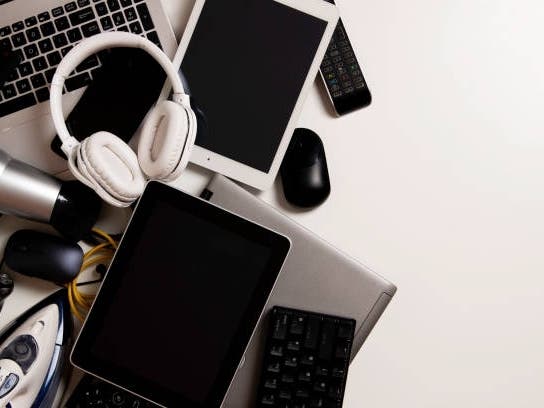
When we talk about technology, we often focus on a small group of popular platforms—think social media, or generative AI. Less often discussed is the physical tech itself, or the dozens of microchips and circuits contained inside an electronic device. The structural makeup of electronic devices makes them vastly different from any other household item, and as a result, we have to take special considerations into account when its time to throw these devices away. However, many people lack knowledge regarding the procedures for sustainably disposing of devices, leading to confusion about how to handle them.
Today, nearly 6 billion people own a mobile phone, not counting the billions more laptops, smartwatches, TVs, and other electronic devices that are produced every year. The ubiquity of these devices carries both positive and negative effects: while the mass production of technology has opened a new era of communication and connection, it has also threatened to deplete Earth’s limited resources.
Thanks to the proliferation of yearly upgrade cycles and manufacturer trade-in programs, the usage period of electronic devices is rapidly decreasing—in fact, the average lifespan of a mobile phone is just 2.5 years. This lifespan is far too short to justify the large quantities of carbon dioxide emitted during the phone’s production, and the millions of dollars of rare earth metals lost annually if the phone isn’t reused or recycled. What’s more is that when a phone, or any electronic device, is disposed of in a landfill (which is illegal in 25 states) chemicals like lead, mercury, and arsenic can seep into nearby groundwater and pose severe health hazards to the surrounding communities.
Find out what's happening in Viennafor free with the latest updates from Patch.
The root of these problems lies in electronic waste (also referred to as e-waste) which describes any electronic device that has reached the end of its usage period. While obsolete electronics are an afterthought for many, it’s critical to evaluate one’s device usage and disposal habits in order to prevent irreversible ecological damage.
What is Electronic Waste?
Find out what's happening in Viennafor free with the latest updates from Patch.
According to the World Health Organization, electronic waste is the fastest growing solid waste stream in the world. Approximately 53 million metric tons of e-waste are produced annually, contributing to 70% of the toxic chemicals within any given landfill.
Electronic waste encompasses a variety of items, including computers, mobile phones, large household appliances, and medical equipment. These devices are made especially dangerous by the chemicals housed in their components, which are prone to spillage if the waste is not properly managed. Therefore, it is extremely dangerous to throw out electronics with regular garbage, where it can end up in landfills and become burnt, submerged in acid, stripped of its protective coatings, or otherwise disassembled.
Who Does Electronic Waste Affect?
While electronic waste is dangerous for everyone, it has particularly severe effects on children and pregnant women. For infants, a mother’s exposure to e-waste has been correlated with increased rates of premature birth and deformity, while in children it has been linked to stunted brain maturation and reduced respiratory function.
However, it is possible to be affected by e-waste even without direct exposure to it. Poisonous compounds that leak from discarded devices can easily contaminate drinking water and agriculture, posing health risks to local wildlife and citizens. Additionally, devices that are thrown away without proper data security protocols pose a risk of data leakage and as a result, identity theft.
What is Being Done to Solve Electronic Waste?
On a global level, an international treaty called the Basel Convention controls the movement of electronic waste across country boundaries. This ensures that hazardous waste is not being dumped in less developed countries, and that all countries are aware of how to safely manage and reduce their production of e-waste. However, despite these strict regulations, e-waste grows roughly five times faster than available recycling infrastructure.
Unfortunately, domestic recycling rates are similarly lacking. The United States does not have a central law governing e-waste disposal; as a result, only half of the states legally require residents to dispose of e-waste through formal channels.
Under the Virginia Computer Recovery and Recycling Act, Virginia requires that computer manufacturers provide free recycling services for their products once they have reached the end of their lifespans. However, despite these services, many consumers opt to store their devices at home because of convenience factors, data security concerns, and lack of knowledge about sustainable disposal methods.
How Can We Reduce Electronic Waste?
We can work to reduce electronic waste through three strategies: reducing electronics purchases, extending device lifespan, and disposing of devices sustainably.
Reducing Electronics Purchases
Reducing the number of electronic devices purchased may seem like a difficult task, but it can be achieved by pausing to think deeply before buying a new device or gadget. For instance, if you are considering purchasing a new TV, smartphone, or computer to replace one that isn’t broken, consider if the new device will significantly improve upon the old one, or perform an absolutely necessary function that the old one cannot. Honest reflection is the best way to identify excessive purchase behavior and become cognizant of any trends, promotions, or external influence that is driving one to buy something that isn’t truly needed.
Extending Lifespan
There are several simple tricks for extending the lifespan of your device, which can also help to save you money by not needing to purchase new devices as frequently. One common reason for premature device disposal is declining battery health, which can be avoided by setting your device’s charging limit to 80%, and not letting it drop beneath 20%. This practice helps reduce chemical stress on the batteries and can extend the battery capacity for several years.
Other easy ways to extend iPhone lifespan are to invest in a quality case, screen protector, and extra storage. While these may seem like unnecessary costs, they ultimately prevent more expensive repair costs down the road and enable software to run more smoothly without glitches. Additionally, keeping your device out of extreme heat and regularly cleaning under the case and charging ports can reduce its risk of premature hardware failure and overheating.
Sustainable Disposal
The most eco-friendly option for a broken device is, in fact, not disposal—it’s repair. Repairing a slightly damaged electronic minimizes resource waste and eliminates the need to purchase a new device. However, if repair is not feasible, there are several other sustainable disposal methods to choose from.
The best method of disposal is one that guarantees to extend the device’s lifespan. For instance, giving it to a friend or family member who could use it is an excellent way to add a few more years to the device’s usage period. Additionally, reselling it online or trading it in with a manufacturer are also environmentally safe options and opportunities to profit off of your used device—just be sure that you properly remove any sensitive information before giving it away.
Bringing your used device to one of the designated recycling centers in Northern Virginia is the third-best option, as this ensures the raw materials such as gold, copper, and platinum contained in the device are extracted and don’t go to waste. However, recycling is not as favorable as resale or trade-in because it does not save the complex microchips and engineering energy spent on the original device.
The least sustainable disposal option for devices is storage. Storage permanently removes materials from the circular economy, meaning that large quantities of gold and other precious metals end up in incinerators or landfills. Furthermore, when devices aren’t reused or recycled there is an increase in the demand for more products, prompting manufacturers to produce more devices and raise their carbon emissions.
More Information
If you’re interested in learning more about the sustainable management of electronics and batteries, the EPA website has a wealth of information and frequently asked questions on safe device disposal. Additionally, we encourage you to take this short survey to help us learn more about how we can reduce e-waste in our local community.
Visit the Digital Disposal website for device disposal tips and current research on electronics in Northern Virginia!