Health & Fitness
'We're On The Front Line' Of Coronavirus, WA's Funeral Homes Say
From consoling families to double-bagging bodies, Washington's funeral directors are facing new challenges during the coronavirus outbreak.


Update: State officials on Thursday officially banned funeral and memorial services, saying they are "non-essential services." Internments have been limited to "delivery only."
SEATTLE, WA — Dealing with death for a living is never simple. But since the Seattle area emerged as an epicenter in the U.S. coronavirus crisis, funeral homes here, and the families they serve, have had to reckon with a number of new realities.
Some are harsh: funeral directors, handling the bodies of possible COVID-19 patients, are suiting up with layers of protective equipment. They are putting masks on the faces of the deceased, in case liquid droplets are expelled from the lungs while a body is being moved. They scrutinize death certificates where pneumonia is listed as the cause, and worry whether they will have enough space to hold the bodies that may accumulate if the outbreak worsens.
Find out what's happening in Seattlefor free with the latest updates from Patch.
"You’re not used to putting a body in a body bag and double bagging them, and then having to wipe down that bag with a high concentration of sterilizing spray to make sure the virus isn’t still attached to the exterior," said Char Carpenter Barrett, owner and funeral director of A Sacred Moment funeral home in Everett.
Then there are the softer challenges: families can barely gather in person to mourn a loved one, since groups of more than 10 people have been discouraged in King County. Viewings have been canceled. Fresh-baked cookies and coffee, which Barrett usually gives to grieving families, are not an option under the state’s restaurant shutdown.
Find out what's happening in Seattlefor free with the latest updates from Patch.
It’s a hard time to work in the funeral industry, several funeral directors and embalmers told Patch.
Business hasn’t slowed during the outbreak, the directors agreed. But they’ve had to quickly go digital: families have opted to videotape funerals, livestream graveside services and sign online guestbooks.
That shift is an uneasy one for many families, especially those with a culture of group mourning. Roger Leger, general manager at Columbia Funeral Home in Columbia City, works with Vietnamese, Laotian and Cambodian communities, and said he’s had a hard time convincing families they must grieve remotely.
"Our communities that we deal with are just so set on coming here to do the respects," he said. "It’s been a challenge."
Don't miss the latest coronavirus updates from health and government officials in Washington. Sign up for Patch news alerts and newsletters for what you need to know daily.
Meanwhile, regional shortages of protective masks and gloves have hit the funeral industry, causing some embalmers to worry whether they will be able to stay safe.
“We are hearing from folks across the state that are having supply issues,” said Rob Goff, executive director of the Washington State Funeral Directors Association, himself a funeral director in Eastern Washington.
"We are on the front line"
Complicating the effort to stay safe, some funeral directors fear they won’t be notified before they handle the body of a possible COVID-19 victim. Since the virus is considered a “natural death” — unlike a homicide or suicide, which must be looked at by the medical examiner — coronavirus victims’ bodies can be brought directly to funeral homes from the place of death, without notice from authorities, Goff said.
In Everett, Char Carpenter Barrett said she discovered this week that a person whose funeral she had hosted earlier this month had likely been a victim of COVID-19, but died before testing had become widespread.
Weeks later, after speaking with a family member, she learned there was “a high probability” that the person had been infected, based on the victim’s symptoms and an X-ray of their lungs, Barrett said.
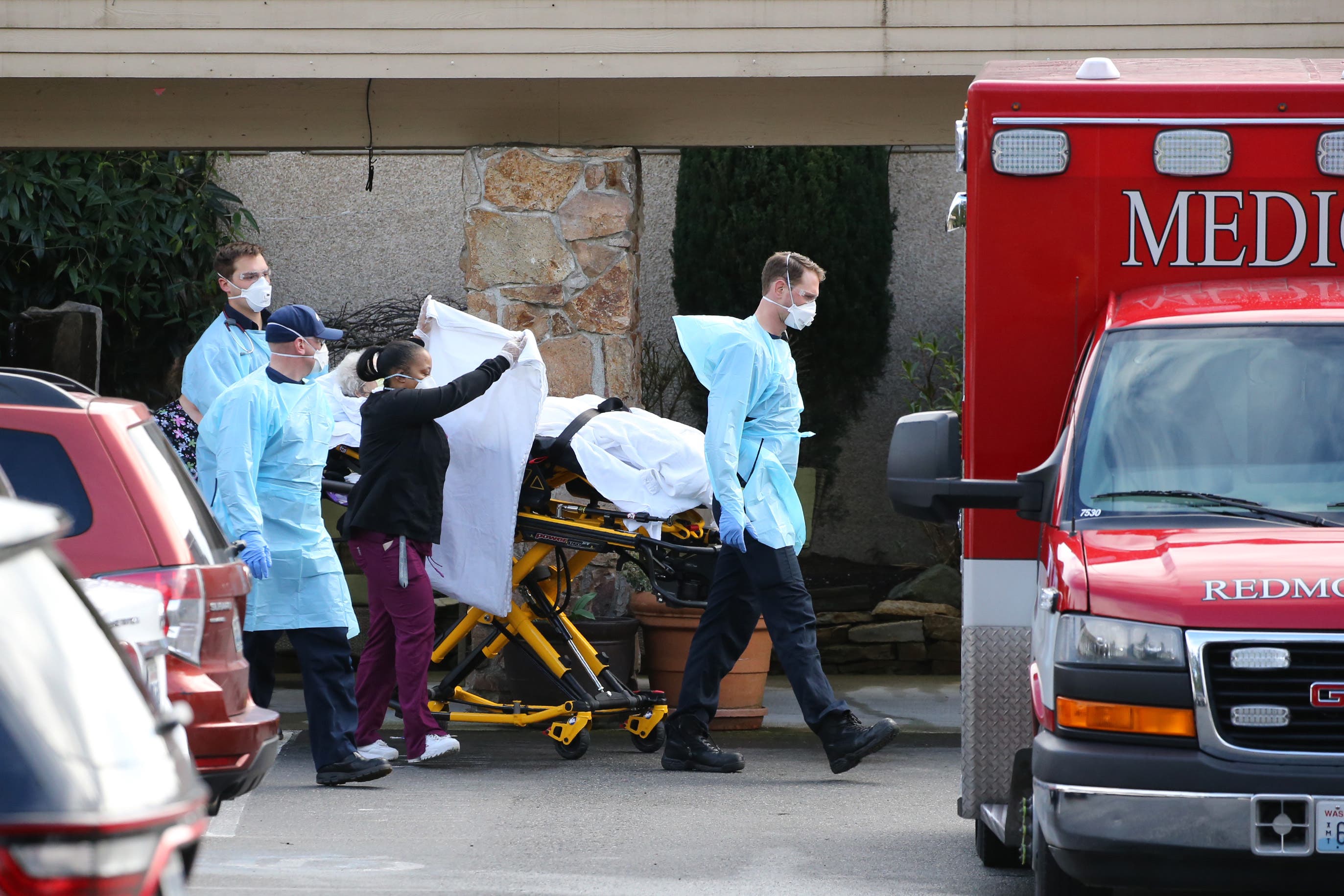
According to CDC guidelines, there's no known risk associated with being in the same room as someone who died from COVID-19, but transmission from droplets left on surfaces is still possible. Funeral home workers are advised to use protective equipment.
In a statement, Dr. Matthew Lacy, Chief Medical Examiner of Snohomish County, told Patch that the county notifies funeral homes in advance when a decedent was confirmed or suspected of having COVID-19. Barrett said she was unaware of the county’s policy, adding that she works with a third-party care facility that picks up bodies from the medical examiner.
For Barrett, working during the outbreak has felt fulfilling, but also frustrating — amid the much-deserved praise being given to medical workers and first responders, she said her own profession is rarely mentioned, despite the risk it entails.
"Never do I hear funeral directors included — that we are on the front line!" she said. If a funeral worker contracts the virus, she's unsure whether it would inspire any new calls for safety protections.
"It’s something we’re pretty accustomed to — you’ve got to have thick skin," she said. "Funeral directors? No one wants to talk about us."
Related coronavirus coverage:
Get more local news delivered straight to your inbox. Sign up for free Patch newsletters and alerts.