Neighbor News
Flood Safety Precautions for Southeast Wisconsin
Tips on staying safe during a flood or flash flood.

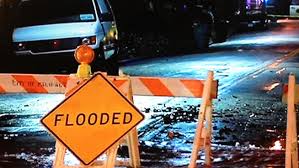
Floods and flood damage are some of the most common hazards in the United States. And if you lived in Milwaukee during July of 2010, you understand firsthand just how destructive flooding can be, because that is the month we were hammered by two flash floods in one week’s time. After the storms finally passed, and the area slowly started to dry out, it was determind that there was about $50 million dollars in flood damages left behind.
Weatherman Sam, one of our “go to” sources for timely and update weather information, is NOT predicting anything like that happening today. Today we will be seeing rain and scattered thunderstorms; however we don’t need to wait for flooding conditions to bone up on Flood Safety, do we?
We did some research and have come up with the following information as well as safety tips to keep you prepared and ready to weather the next flood or flash flooding that our area sees.
Find out what's happening in Waukeshafor free with the latest updates from Patch.
We should probably start with defining the difference between flooding and flash flooding:
- Floods are caused by steady rain for several hours or days that saturate the ground.
- Flash floods occur suddenly due to rapidly rising water along a stream or low-lying area.
Below is a list of things to do in the event flooding or flash flooding is predicted in your area. The list is courtesy of www.ready.gov/floods
Find out what's happening in Waukeshafor free with the latest updates from Patch.
- Listen to area radio and television stations and a NOAA Weather Radio for possible flood warnings and reports of flooding in progress or other critical information from the National Weather Service (NWS).
- Be prepared to evacuate at a moment’s notice.
- When a flood or flash flood warning is issued for your area, head for higher ground and stay there.
- Stay away from floodwaters. If you come upon a flowing stream where water is above your ankles, stop, turn around and go another way. Six inches of swiftly moving water can sweep you off of your feet.
- If you come upon a flooded road while driving, turn around and go another way. If you are caught on a flooded road and waters are rising rapidly around you, get out of the car quickly and move to higher ground. Most cars can be swept away by less than two feet of moving water.
- Keep children out of the water. They are curious and often lack judgment about running water or contaminated water.
- Be especially cautious at night when it is harder to recognize flood danger.
- Because standard homeowner’s insurance doesn’t cover flooding, it’s important to have protection from the floods associated with hurricanes, tropical storms, heavy rains and other conditions that impact the U.S. For more flood safety tips and information on flood insurance, please visit the National Flood Insurance Program Web site atwww.FloodSmart.gov.
Please re-read the last bullet point again….unless you have purchased flood insurance, your basic homeowner policy will not cover you for any damage caused by a flood. During a flood is not the time to find out you are not covered. Give you insurance agent a call today to find out about adding this coverage.
The above is a basic list of do’s and don’ts for flood safety. Our next blog post will contain specific info on what to do before, during and after a flood to ensure both your safety and the safety of your family.
Also please keep in mind, that prompt action by an experienced restoration team makes all the difference in mitigating structural damage to property. The entire staff at Emergency Fire & Water Restoration is at your service 24 hours a day, 365 days a year. We have the ability to address any disaster situation, large or small, residential or commercial.
From beginning to end, we can handle 100% of the restoration process so you don’t have to. This can include content pack-outs, cleaning & storage of personal property, structural drying & mitigation, mold remediation, lead & asbestos abatement, and full re-construction services. We are licensed, bonded, and fully insured. We abide by all state and federal laws, and are certified as a “Lead Safe Renovator” with the Environmental Protection Agency (EPA), and accredited with the IICRC.

For more information on Emergency Fire & Water Restoration, or the services we provide, give us a call at 414-810-3522, or visit our website at www.emergencyrest.com