Neighbor News
Modern Vehicle Cooling Systems are Complicated
Main Takeaways About Modern Vehicle Engine Cooling Systems
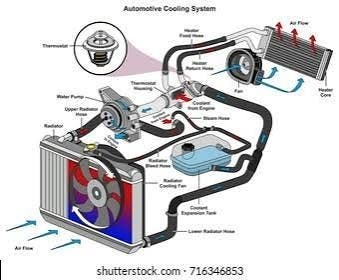
1. Cooling systems are far more complex than drivers realize
Modern vehicles no longer use a simple radiator + coolant loop. They rely on multiple radiators, electric pumps, sensors, valves, and plastic modules that must work together. Failure in one part can quickly affect turbos, batteries, or transmissions, leading to expensive repairs. When one piece cracks or clogs, the damage can spread quickly to turbos, batteries, and even the transmission, and the repair cost can dwarf what older drivers remember paying for a water pump or thermostat.
2. Older cars were much simpler
Find out what's happening in West Allisfor free with the latest updates from Patch.
Past systems used:
- A belt‑driven mechanical water pump
- A single radiator
- A wax thermostat
Drivers often still imagine this simpler layout, but modern designs are far more integrated and tightly packaged.
Find out what's happening in West Allisfor free with the latest updates from Patch.
3. Modern vehicles have multiple coolant circuits
A typical crossover may have separate cooling loops for:
- Engine
- Turbocharger
- Transmission
- Cabin heater (including the rear of the vehicle)
- Hybrid/electric components
Electric pumps and electronically controlled thermostats are now common.
4. Repairs are more expensive and complicated
Examples include:
- A Toyota RAV4 cooling component failure costing ~$6,600 due to integrated parts and labor-intensive access.
- Plastic tees, buried housings, and electric pumps that require hours of disassembly. Hybrid and EV cooling failures can involve battery chillers or inverter heat exchangers, increasing cost and diagnostic time.
In hybrids and plug-in hybrids, cooling failures can involve battery chillers or inverter heat exchangers, which increase cost and diagnostic time
5. Engines run hotter and have tighter tolerances
Modern engines operate in narrow temperature windows for efficiency and emissions. Small issues like slow leaks or sticky thermostats escalate faster than in older vehicles.
6. Cooling affects performance, emissions, and component lifespan
Poor coolant circulation can cause:
- Warped heads
- Damaged gaskets
- Cracked plastic parts Often before visible overheating occurs.
Software may reduce power or trigger limp mode to protect the engine when cooling issues arise, which drivers may misinterpret as transmission or engine problems.
7. Hybrids and EVs depend heavily on cooling
Battery packs, inverters, and electronics generate significant heat. Small leaks can reduce battery life or limit power output.
Shared coolant circuits mean failure in one area can affect multiple systems.
8. Costs and insurance complications
Integrated modules mean technicians often must replace entire assemblies, not individual parts, raising costs. Insurance may not cover certain failures, especially if maintenance was neglected. Cooling system failures can fall into gray areas between wear and tear and sudden mechanical breakdown, and some policies may not cover certain failures, especially if maintenance was neglected.
9. Safety risks
Overheating can cause sudden power loss or burst hoses that increase fire risk. Hybrid battery cooling faults may trigger immediate stop warnings.
10. Environmental impact
Coolant leaks harm wildlife, and emergency flushes often lead to improper disposal compared to routine maintenance.
11. Drivers are often unprepared for modern repair realities
Many still think cooling issues are minor and cheap, leading to frustration when faced with four‑figure repair bills for unfamiliar parts.
What’s Changing Next
Key trends:
- Integrated thermal modules combining pumps, thermostats, sensors into single units (expensive to replace)
- Electric pumps and valves replacing mechanical parts, adding electronic failure points
- Software updates becoming part of cooling maintenance (adjusting fan/pump strategies)
- Shared cooling between propulsion and cabin systems, especially in EVs with heat pumps
- Independent shops investing in advanced diagnostic tools to handle complex cooling layouts
Practical Advice for Drivers
- Follow coolant replacement intervals and use the exact specified coolant type
- Take early signs seriously (sweet smell, rising temp gauge, weak heater)
- Ask about cooling system design when buying vehicles, especially for towing or long-term ownership
For more information on automotive topics, see:
https://medium.com/@montgomerysteve49
Meineke always follows vehicle manufacturer specifications and guidelines. For honest, comprehensive vehicle maintenance and repair visit:
Meineke Complete Car Care 2990 – West Allis
10204 W Greenfield Ave, West Allis, WI53214, (414)453-4210
https://www.meineke.com/locations/wi/west-allis-2990/
Like us on Facebook https://www.facebook.com/profile.php?id=61592090312474