Health & Fitness
Q&A: 5 Questions With New DCH Health System CEO Katrina Keefer
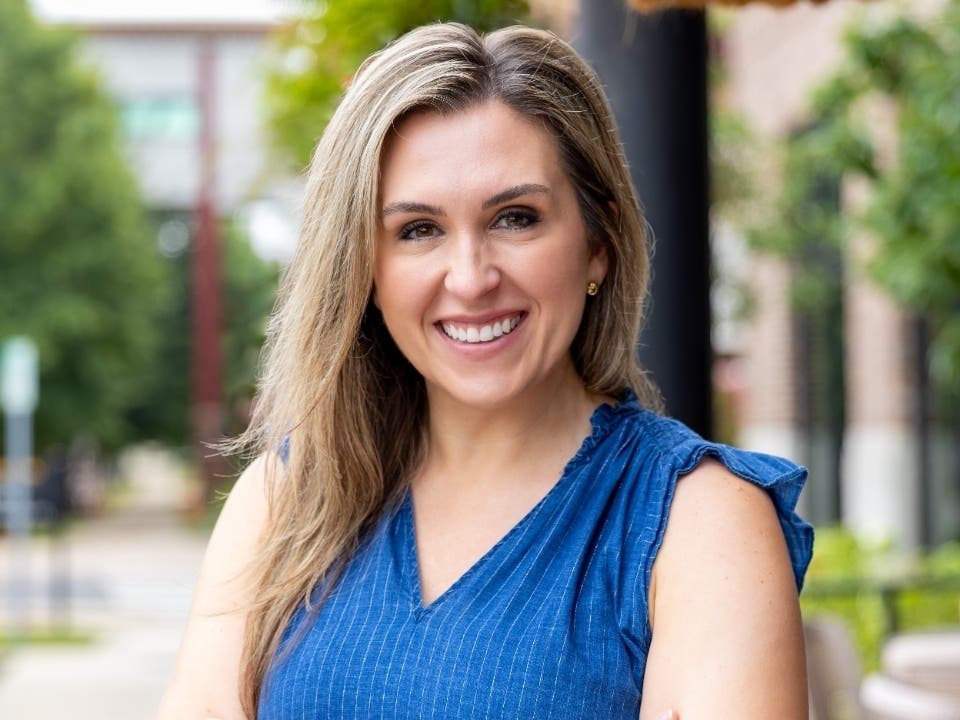
Patch caught up with DCH Health System CEO Katrina Keefer for an exclusive interview at the conclusion of her second week on the job.


TUSCALOOSA, AL — DCH Health System CEO Katrina Keefer has officially been on the job for two weeks as of Thursday, but has already set out to make her mark on the Tuscaloosa-based regional health care provider.
Click here to subscribe to our free daily newsletter and breaking news alerts.
As Patch previously reported, DCH Health System announced Keefer as the successor to longtime CEO Bryan Kindred in April, who retired in July after nearly four decades with DCH.
Find out what's happening in Tuscaloosafor free with the latest updates from Patch.
She comes to the area's second-largest employer after serving as chief executive officer of Augusta University Health in Georgia and executive vice president of health affairs at Augusta University. The Monroeville native also brings with her 20 years of health care leadership experience in Alabama and Georgia.
ALSO READ: DCH's Keefer Pledges New Era Of 'Transparency, Accountability'
Find out what's happening in Tuscaloosafor free with the latest updates from Patch.
Patch caught up with Keefer for an exclusive interview on Thursday as the veteran administrator makes the rounds to meet with officials and those in the community.
Here's what the new CEO had to say ...
5 Questions With DCH CEO Katrina Keefer
TUSCALOOSA PATCH: During your visit last week to speak in front of the Tuscaloosa City Council, you mentioned your desire to change the culture of DCH Health System from the inside out. Would you mind elaborating on how you intend to do that?
KEEFER: "Well, I would say that culture change starts at the top, and I've been working very hard to be accessible to our team members. And I feel like they are responding well to what I've heard referred to as 'new energy.'
We had a great management team meeting yesterday where we really set the tone and we're continuing to talk about taking better care of patients and getting back to talking about how we work better together as a team and really valuing all of our team members.
One of the things that I say is that all of our — otherwise called — employees, are caregivers. I'm not a clinician, but I'm a caregiver and my role will be to help break down barriers that are preventing us from taking the best care of our patients and to be an outward voice to all of our external constituents.
It's a multifaceted front for culture change, but it's imperative that we do that. And I think that many people who work here really have been craving that. I think that's going to be the way that we not only improve patient care, improve patient experience and the patient/family-centered environment, but that's how we're going to really address the staffing shortages that are really plaguing the nation, not just DCH.
So, inside out culture change, I think, is what it's going take. I think 14 days [since she began the job], we're well on our way."
TUSCALOOSA PATCH: In the face of nationwide labor shortages, particularly for physicians and nurses, what are your plans to improve upon the recruiting and retention of quality employees?
KEEFER: "Overall, for recruitment and retention, we do have to change the environment in which we ask our caregivers to work. We try to set the tone, again, for all of our members of the care team to be valuable members. We also increased the entry wage in our organization from $10 to $14 a couple of weeks ago to shore up many of our support services, which put additional pressure often on clinicians. We want to set our clinicians up to be able to be clinicians, not to have to do the other support services, because we might be short staffed. So really shoring up environmental services and dietary and all of those folks who help the care team, the direct clinical care teams. We feel like that is a good start.
I'm meeting with physicians and figuring out where they are on their ability to recruit. Recruiting physicians today is very different than it may have been 20 years ago when some of our physicians joined private practice. And so really working with the physicians to understand how we can support them, how we can think about different models — whether it's employment models or supporting their practices — to allow the current folks to continue to practice in their environment, but have a different mechanism for them bringing in what would otherwise be a traditional partner.
From the [nursing shortage] standpoint, we have a new nurse executive. I am so excited about Dawn Alexander being with us. She is bringing a lot of new energy and enthusiasm and professionalism to our nurse leaders.
[Alexander] also recognizes that we need to think a little differently about the way we recruit. I have been on the floors rounding and meeting with groups of people. Two days ago, I met with a group just getting to know them, thanking them for what they were doing, and I really realized how they really worked together so well as a team and was trying to get some nuggets from them that we could share with other teams. And one of the nurses that is fairly new from [the University of West Alabama] — a new grad — came up to me afterwards and asked if he could share with me his thoughts on things that we could probably do differently if we wanted to retain new nursing grads. And so we traded digits and I'm gonna meet with him.
And so again, listening to people that have chosen to stay here for whatever reason, but where they see that if something would've been different that will help us with the [recruiting] pipeline.
So for him, he doesn't want to call necessarily West Alabama and endorse us as a place for new grads to come. But he really wants to be able to do that and he really wants to feel good about that.
I, personally, want to make sure that I'm hearing from our folks and our Human Resources department, of course, is trying to help us think differently and creatively. But, you know, it's really a balance for how you recruit new people, but how we also demonstrate value for those team members who have been here for a long time. I think that balance is always going to be one of those ongoing things. We focus a lot on higher retention, but I think we need to not leave out those who have been here for a long time. It's a multi-pronged approach and there is not going to be a quick fix, but I think that we are at least getting started."
TUSCALOOSA PATCH: This week, leaders from the cities of Northport and Tuscaloosa, along with Tuscaloosa County, spoke on the possibility of DCH Health System partnering with UAB Health System or the University of Alabama in the future. What are your thoughts on a possible partnership?
KEEFER: "I do think that that's very premature. UAB and the University of Alabama are very different. They have different models of management. I think [local government officials] are lumping things together that they might not necessarily know as much about.
I was employed by the UAB Health System for 17 years. It's controlled by the University of Alabama Board of Trustees. I helped UAB expand their network. I completely understand and appreciate all that the UAB Health System brings to this state. But I also know that, regardless of if any partnership occurs, that DCH is going to need to be the anchor for west Alabama.
We need to get our house in order first and ensure that we are the hub to resource the health care needs of west Alabama, and whether we were ever to become a part of UA or UAB or any other larger healthcare entity, we're going to need to be stronger here in Tuscaloosa and Fayette and Northport to begin.
I'm not getting tangled up in that and I just wish that the politicians would give us a minute to catch our breath. I'm hearing frustrations from the business community that it feels like we're rushing into something that we're not sure is the right thing for us. That makes me feel good, but, you know, I'm going meet with the three [leaders from each appointing authority] — [Tuscaloosa Mayor Walt Maddox, Northport City Administrator Glenda Webb and Tuscaloosa County Probate Judge Rob Robertson]. I'm meeting with them together tomorrow afternoon. I think that it's just ongoing dialogue and whether it's them or as appointing authorities or their councilmen or the county commissioners, I'm really trying to develop personal relationships with those people so that they feel comfortable calling me, they feel comfortable asking me questions.
I can truly be transparent about what's going on at DCH and I'm hopeful that that will be a step in the right direction to help them feel better about what they know.
Perhaps they're rushing to judgment about big transactions or because they don't know enough about who we are and what we are, and the great care that our caregivers are providing within our walls. I think that it's going to be imperative that I spend time with those folks and with those appointing authorities, as well as those who appoint all the members of [The DCH Board of Directors] ... I need to spend time with all of these people telling the DCH story and ensuring that they get the information that they want, and that is imperative to them for their constituents to ease and alleviate any fears about needing to rush to a transaction."
TUSCALOOSA PATCH: Describe your approach to working with the different governing bodies charged with appointing members to the DCH Foundation Board of Trustees?
KEEFER: "I think it is about building individual as well as collective relationships with them. Whether I meet with the three of them individually, I've not had the opportunity to meet the mayor of Northport yet, but we've traded greetings and so it's really meeting with them and understanding what they need.
I've met with city council members in Tuscaloosa already. I have on the calendar for next week I'll be meeting with some of the council members from Northport. I think that all of the rhetoric associated with both sides and arguments about confidentiality agreements ... we need to get away from that.
I need to understand as the chief executive officer for the health system, what is of interest to our appointing authorities. And then I need to ensure that we find opportunities to have the discussions where I can share that information.
I think that if we get out of the finger-pointing and we get into information sharing, because I truly believe at the end of the day, our elected officials are just trying to ensure that there is a strong health system available for their constituents, and they hear the bad stories. They don't have the opportunity to hear the good stories and I don't know that there have been opportunities for dialogue where the health system can help them to articulate sort of the other side of the story or the good things that we're working on.
Also, to have that two-way dialogue where they could say back to me directly, 'you know, this really isn't working for my people.'
That's the environment I think I want.
I want to help them be successful representatives of their constituents. I know in order to do that, we have to have a strong health system. We are just wanting to create that opportunity for the two way dialogue. "
TUSCALOOSA PATCH: New fears have obviously emerged regarding the spread of new and old pandemic-level diseases, such as monkeypox and polio. But conversations also continue regarding what a "post-COVID" world will be like for health care. With this ever-changing landscape in mind, what do you see on the horizon for DCH Health System?
KEEFER: "I think that I'm not going be alive in a post-COVID world because we're just going to have to learn to live with it and I really think we've got to shift the narrative from a pandemic to an endemic and learn to live with it — like we learned to live with the flu and, whether it's vaccinations, like we have our influenza vaccinations each fall, really just kind of set ourselves on a schedule and get away from reporting numbers.
I do think as we are watching and ensuring that we're staying close enough to the science and the medicine and the numbers and the epidemiology of monkey pox, polio and really leaning on our, clinical folks to help us there — like DCH did during and throughout COVID — as cases present themselves.
We need to do things differently and we'll just be ready to pivot. I think that DCH likely did a very good job of that during COVID-19 early on in high census and a lot of the unknown and I think we're going to go back to a lot of unknown — hopefully low census, not high census.
We just have to watch [emerging viruses and diseases] closely and our chief medical officer, myself, Dr. [Albert] White, many others, we stay close to other colleagues across the state, southeast and country really and follow the guidance. We'll have to take that into bite size pieces because our responsibility is to help educate the public. We'll certainly have to educate our caregivers and and I think back to early in the days of the COVID pandemic, how scared our caregivers were and how important it was that we were able to articulate to them what we knew as quickly as we knew it, because we were asking them to put themselves in a precarious position. I think we've learned a lot that we'll be able to apply moving forward."
Have a news tip or suggestion on how I can improve Tuscaloosa Patch? Maybe you're interested in having your business become one of the latest sponsors for Tuscaloosa Patch? Email all inquiries to me at ryan.phillips@patch.com.
Get more local news delivered straight to your inbox. Sign up for free Patch newsletters and alerts.