Business & Tech
Tuscaloosa Bar Owners Sound Off As New Regulations Go Into Effect
New COVID-19 response regulations were implemented Thursday night in Tuscaloosa, further limiting operations for bars and restaurants


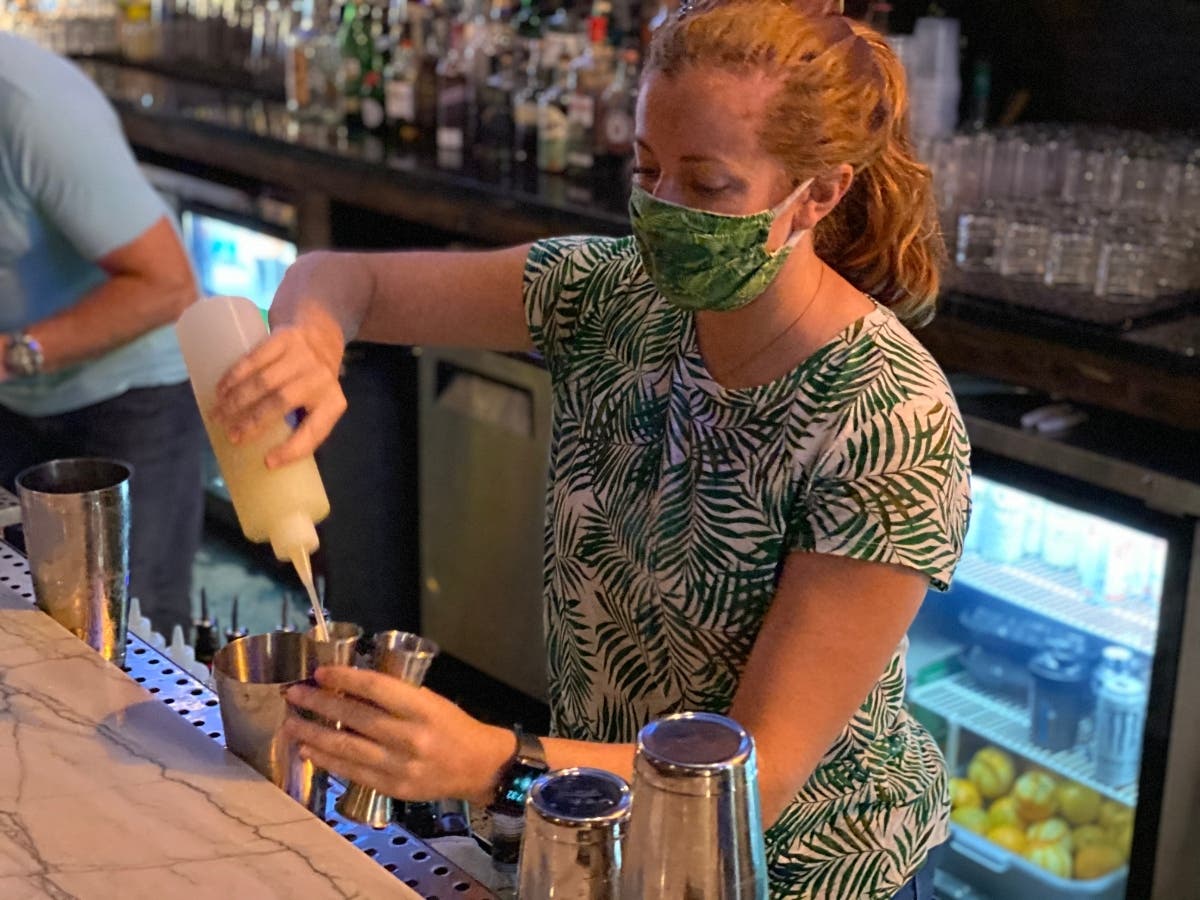
TUSCALOOSA, AL. — The ongoing COVID-19 pandemic has been especially tough on the service sector. With new state and local regulations recently placed on bars and restaurants, some Tuscaloosa business owners say their industry is being unfairly targeted. After being presented by Mayor Walt Maddox and passed at the Tuscaloosa City Council's regular meeting by a 4-3 vote on Tuesday, the new local mandate, which went into effect Thursday night, reduces bar occupancy to 50% after 9 p.m., in addition to placing further regulations on restaurants and entertainment venues.
The move also comes just days after the Alabama Beverage Control (ABC) Board implemented new restrictions on Aug. 1 that limit bar hours to 11 p.m. statewide.
"I understand where [the mayor] is coming from with the spread, but I'd like to know the statistical data that proves that these industries are the cause of the spread," said Session Bar owner Hunter Wiggins in an interview with Patch. "I think that there’s been a lot of the bars and restaurants who have been vilified, not just in Tuscaloosa, but nationwide, and all while big-box stores have been able to continue to operate."
Find out what's happening in Tuscaloosafor free with the latest updates from Patch.
Chad Smith, co-owner of Loosa Brews and owner of Alcove International Tavern, echoed Wiggins' viewpoint concerning the attitude of policymakers toward bars and restaurants during the pandemic.
"Our industry does feel somewhat targeted throughout this and the reason we’re all being given for these measures going into place is because 20,000 or so students are coming back into town and that seems to be at the end of each announcement," he said. "It seems to us in this industry there’s some kind of misconception that all of these students directly means belligerent bar drinking and coronavirus spreading, when there’s no data that shows coronavirus comes out at night after 9 p.m. or 11 p.m."
Find out what's happening in Tuscaloosafor free with the latest updates from Patch.
Smith went on to stress that no local data suggests a correlation between new cases and bar operations, especially with respect to business hours.
"For bars and restaurants to be the only targeted measures right now, it does make us feel a little alienated," he said.
Wiggins held his official opening for Session Bar last October and commented on the challenges he would've still been facing with a fledgling business that were amplified due to the pandemic. Session and other bars across Alabama were closed by state mandate in May, which resulted in untold losses for an otherwise vibrant and financially lucrative downtown nightlife economy.
He then lamented the notion that service hours continue to be a point of focus from a regulatory standpoint, with new restrictions hurting those businesses who have been trying to abide by set guidelines and maintain a safe environment, while others flaunt the regulations.
"We bled money for two months," he said. "Our rent didn’t stop, our power bills didn’t stop, our overhead didn’t stop, our insurance didn’t stop. We still owed people money and still had to pay it. Something is better than nothing and I feel we’ve been doing things correctly since the state let us open back up following the guidelines."
Prior to the new regulations taking effect, both Smith and Wiggins said they had already been following the approved forms of strict social distancing and reduced occupancy to protect their patrons and staff, but when the ABC Board handed down its latest order adjusting hours, bar owners began to feel the pinch once again.
"The ABC regulation makes everybody close at 11 p.m., that's the major bomb that's been dropped on everyone," Smith said. "I feel like the mayor only announcing them two days after the ABC's new rules is kind of what got people off guard. But honestly, what the mayor is proposing in my viewpoint is kind of where we’ve been. It's not ideal, but it also is kind of the responsible social thing to do."
Another issue likely setting the tone for the local approach, Smith said, has come in the form of other downtown establishments showing blatant disregard for the rules. During Tuesday's Tuscaloosa City Council meeting, city leaders commented that enforcement of the previous regulations had not been as stringent, giving local businesses and the citizenry time to become acquainted with the ever-changing legal end of the pandemic in their community and state.
Smith went on to say he believes the new regulations will give the mayor some actual rules and guidelines that can now be used to punish those business owners who consistently ignore the mandates and prescribed public health guidelines.
"The business owners that are being irresponsible and allowing their businesses to do this, they can be reprimanded and I think that's the point of these measures taking on more of a legitimate role as far as what the guidelines are," he said.
Luckily for Session Bar, Wiggins said, the smaller nature and more intimate setting have worked out, relatively speaking, in the bar's favor. Session Bar has never depended on large crowds, even before the pandemic started, choosing instead to promote its environment as an attraction for patrons.
The bar on University Boulevard has 60 seats in the building, according to the owner, with a fire code occupancy of 85 people.
"We’ve always kept it smaller here," Wiggins said. "We run table service and we’ve pivoted our business model to do that to keep people from having to come to the bar and order and make sure we can maximize our space to pay our bills."
A common misconception explained by Wiggins that has come from the ongoing crisis is that many outside of the industry think business owners are flush with cash and able to stay afloat. But while covering the myriad expenses with operations completely shut down at times, reality is far different from the outside perception and has far-reaching consequences.
"That’s just not true at all," he said. "We help pay for a lot of the philanthropic things the city wants to do and we do a lot of good for the community. So it's a double-sided coin. You shut the restaurants down, you shut the bars down, then you’re losing huge chunks worth of tax revenue to be able to fund things that help the community."
Looking toward an uncertain future for both his business and downtown Tuscaloosa, Wiggins expressed his hope that bar and restaurant owners will be cut in on forming policy as the situation evolves for the better or worse.
"I know there needs to be a change, as a business owner I would have liked for us to be involved and I think that’s what going on now with some people in the downtown area," Wiggins said. "For people to be involved to help the mayor make a decision, but my biggest fear is another shutdown. They need to know, people need to know, what another shutdown is going to do to every bar and restaurant in the city."
Get more local news delivered straight to your inbox. Sign up for free Patch newsletters and alerts.