Neighbor News
Feel at Ease with your Feet: An Innovative Bunion Treatment
Podiatrists in Phoenix and beyond now offering alternative treatment option to those living with a common bone deformity
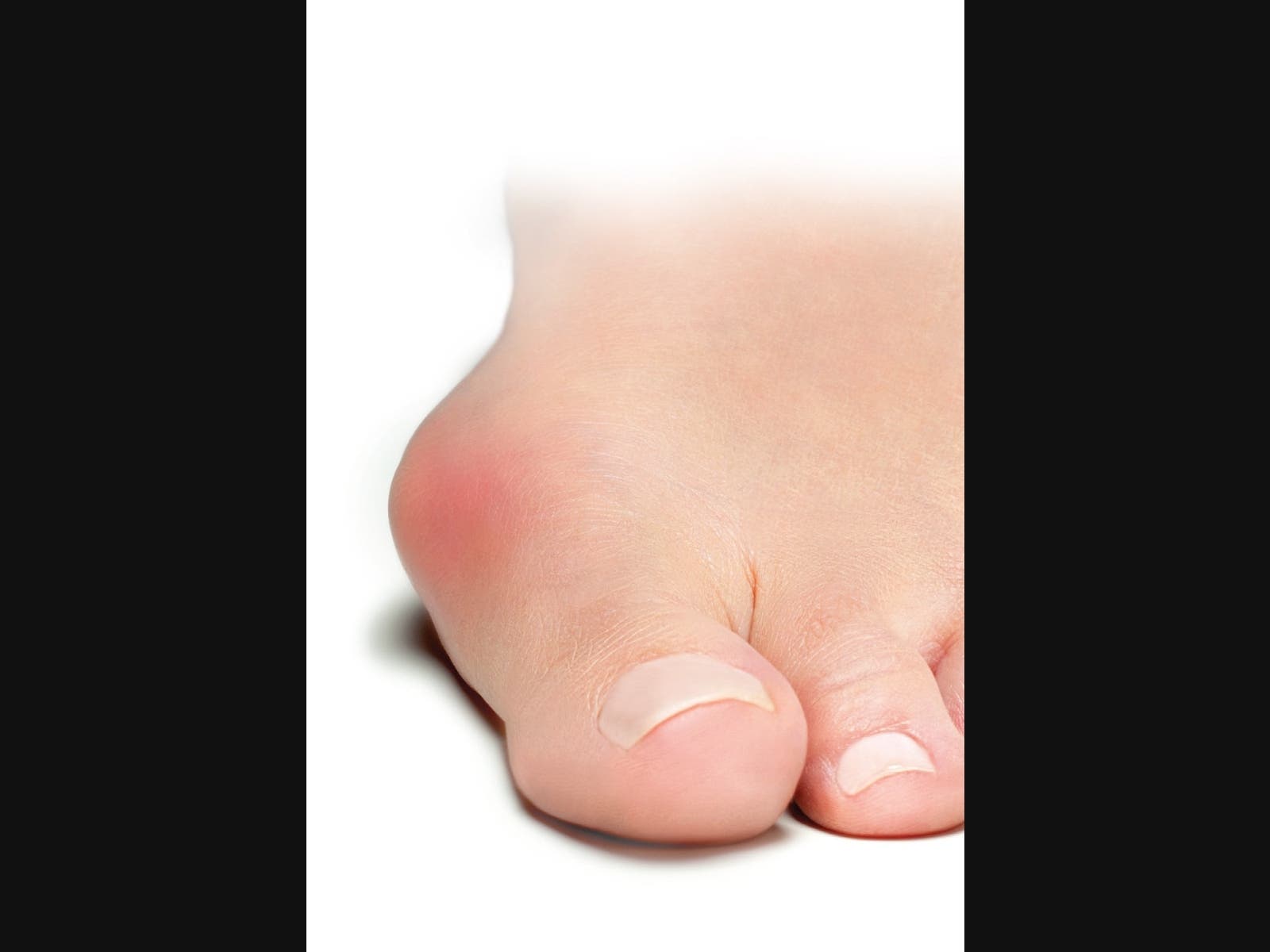

For more than 10 years, I have been treating patients in advanced foot and ankle reconstruction. Throughout my career, one of the most common ailments I have seen my patients experience are bunions. In fact, almost 25% of adults in the US live with the condition. A common misconception is that a bunion is simply an overgrowth of bone on the side of the big toe that can be shaved off, but the problem is far more complex. A bunion is a progressive bone deformity caused by an unstable joint in the middle of the foot which allows the big toe to drift out of alignment, causing it to lean, elevate and rotate.
While this deformity is most commonly seen in older women, men and teenagers can also develop bunions due to their tendency to run in families. Many of my patients who once enjoyed activities such as running, biking and skiing eventually have trouble performing everyday tasks like walking or going to the gym or store as their condition deteriorates. Despite the consequences, bunions have on many patients’ lives, many do not speak about the pain they are in due to embarrassment. As a result, a large number do not seek treatment until their pain becomes intolerable.
As podiatric and orthopedic specialists, we understand the importance of trying to avoid surgery by trying conservative management options when a bunion first becomes painful. I usually recommend that patients try wearing wider shoes to accommodate the deformity, using padding or putting orthotics in their shoes in an effort to reduce pain. But bunions cannot self-correct—they progressively get worse. As my patients’ discomfort and pain becomes more severe, we typically begin to discuss surgical options.
Find out what's happening in Scottsdalefor free with the latest updates from Patch.
In the past, the surgical bunion treatment most podiatric surgeons used was a 2D osteotomy, which involves shaving down the protruding bone on the side of the big toe, cutting it and shifting the bones in the toe over. This method addresses the bunion’s cosmetic bump but fails to address the unstable joint in the middle of the foot—the root cause of the deformity. The procedure can involve a long and inconvenient recovery process where patients may remain non-weight bearing for up to eight weeks. After recovering, up to 70% of patients who have had 2D osteotomies can still experience a recurrence of the condition. For years, patients have been frustrated by this option, which is why I became part of a growing number of surgeons in the United States that now perform an innovative new procedure called Lapiplasty® 3D Bunion Correction™.
Lapiplasty® addresses all three dimensions of the deformity that causes bunions by returning the bones in the foot to their correct alignment and securing them with a system of patented titanium plates. The method allows many patients to get back on their feet in a surgical boot within days. Unlike traditional surgical approaches, Lapiplasty® comes with a low risk of bunion recurrence—about 1-3% as demonstrated in 13- and 17-month studies. In the seven years since Lapiplasty® was cleared by the FDA, more than 45,000 patients have been treated using it.
Find out what's happening in Scottsdalefor free with the latest updates from Patch.
Since I began performing Lapiplasty®, I have used it to treat patients of all ages and lifestyles. My patients are typically able to return to their normal lifestyles and physical activities within about 12 weeks. I am honored to help them be able to walk, run, bike, and climb without the stress their bunions once caused them. The cosmetic benefits of the procedure cannot go unnoticed either. It is rewarding to see patients who once dreaded the embarrassment of shoe shopping proudly wear sandals and high heels without the worry of drawing attention to their toes!
For more information about the Lapiplasty® Procedure visit www.Lapiplasty.com. To schedule an appointment with me, call 602-536-5015 or visit www.PhoenixFAI.com.
Only a surgeon can tell if Lapiplasty® 3D Bunion Correction™ is right for you. As with any medical treatment, individual results may vary and this experience is unique and specific to this patient only. There are potential risks with surgery and recovery takes time. Potential risks include, but are not limited to: infection, pain, discomfort from the presence of the implant, loosening of the implant, and loss of correction with improper bone healing.