Health & Fitness
A Bookseller's Blog: Asterios Polyp by David Mazzucchelli
See just how much of an intellectual & visual playground a comic can be
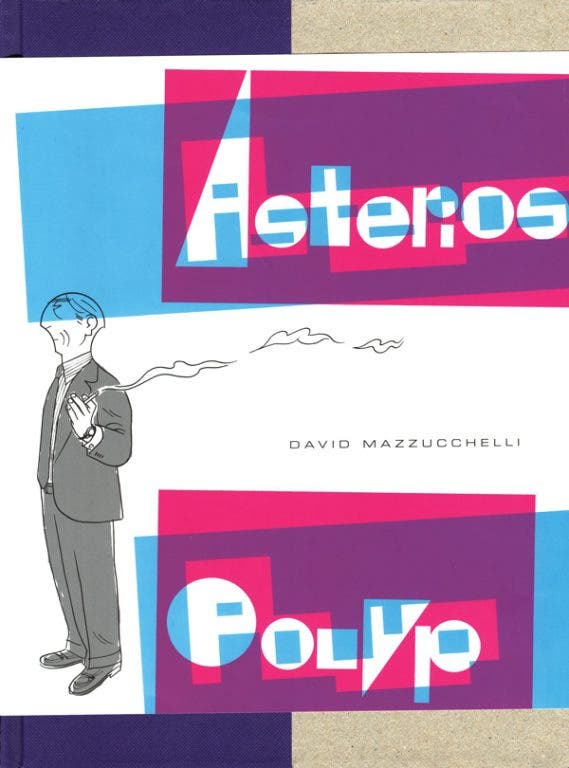


Enthusiasm is an inclusive feeling: you discover that you like something, you look for more of that thing, you find something new that you like, you put those together, you like them together, it makes you think of a third thing or suddenly you see a fourth thing in a new light, they get thrown in the pot, and it just keeps on going. It is what Randall Munroe would call “a delicious cycle.” And it's on every single gosh darn page of Asterios Polyp, the 2009 graphic novel by David Mazzucchelli.
In Asterios Polyp, Mazzucchelli makes the very idea of graphic novel storytelling seem like a world of fun. Every chapter brings new visual marvels and plot-pulling curves. Every character speaks in a unique voice (literally: different fonts for different characters) and with each page, their personality expands and deepens patiently. Our eponymous protagonist, Asterios Polyp, is forced to reassess and redirect his life when his house burns down. He prepares for his uncertain future and dwells on his impressive past, all while meditating on big questions and painful realizations.
Mazzucchelli's language is grand without being grandiose: he mostly uses the narrator (Ignazio, Asterios' stillborn twin brother) to reflect on Asterios' mind and to suggest relevant philosophy to the reader. Deep thought is both a theme of the story and a means of enhancing it, of bringing out the really intricate connections all throughout the book. Mazzucchelli uses his drawing in a similar fashion, flitting between arrangements of smaller images or stretching out the page with wow-worthy portraits. Color plays a key role by guiding the reader through different timelines and by emphasizing the emotional flux between Asterios and his wife.
Find out what's happening in Alamedafor free with the latest updates from Patch.
Asterios' character arc isn't the most original part of the book. “An egotistical intellectual learns his lesson” – most of us, I presume, have encountered this kind of plot before. And even if Polyp's personality were as simple as that, I'd still find the heart to forgive that simplicity in the face of Mazzucchelli's many other achievements. Thankfully, though, the main character has more to him than proud smarts: his suffering, his growth, and his accomplishments (human accomplishments, not just intellectual ones) make him a highly appealing protagonist. We can see why the author likes him so much.
One thing that Mazzucchelli got really right was this: he respects the length of a graphic novel. A single reading of Asterios Polyp is long enough to engage, brief enough to let the reader retain its information. A single reading, however, is only the beginning of the experience. The graphic novel folds into itself in so many crucial ways that rereading is practically mandatory. Go through it carefully, you'll see it as well: images mirroring other images, oddly casual references to earlier moments. This self-reference or circular storytelling goes the furthest to making the reader feel secure – lie back, relax, turn the pages of this giant beautiful hardcover … no worries, because the author is in control and is about to tell a wonderful story.