Costa Mesa, CA|Local Classified|Other|

Outpatient Addiction Treatment for Veterans in OC: What Families Should Know | Asana Recovery
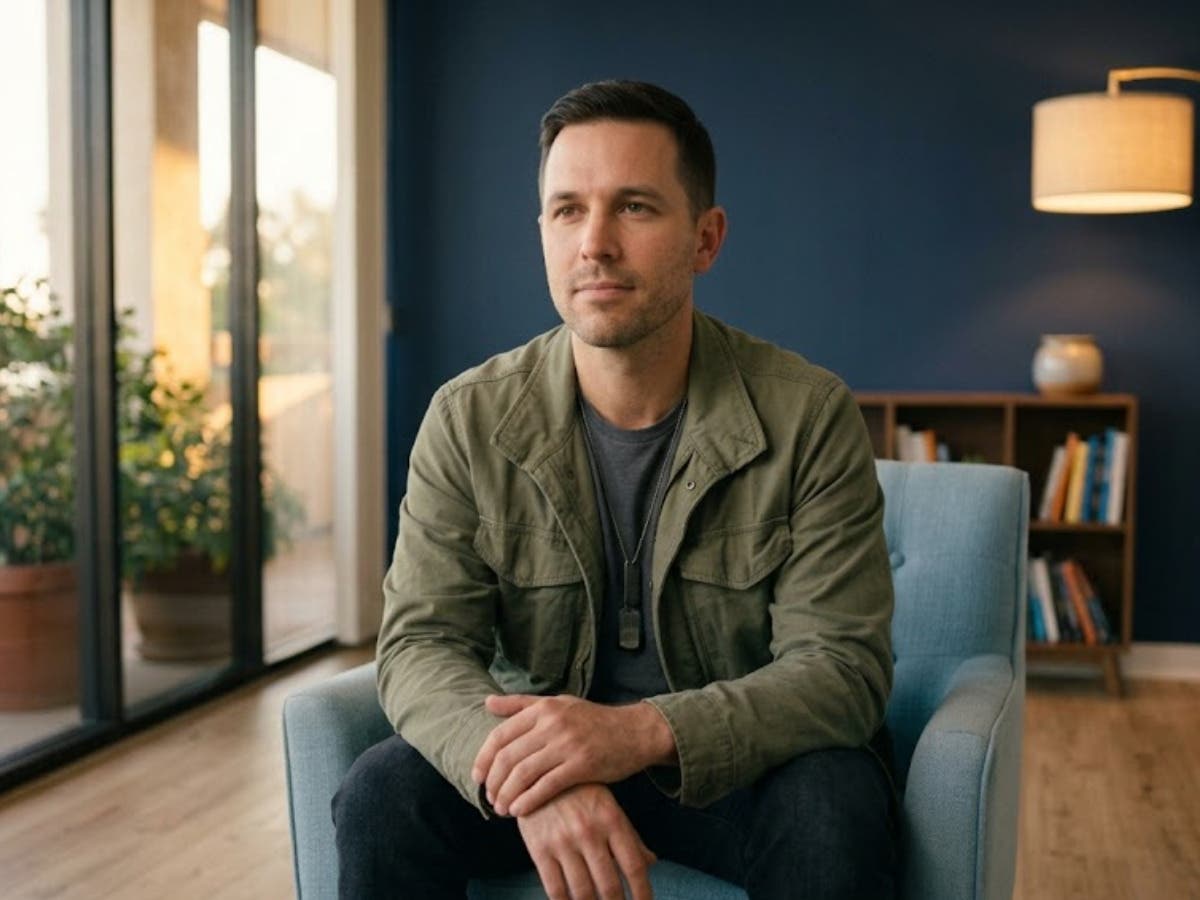
For many veterans, the hardest part of coming home isn't the flight back. It's what happens months later, when the structure that organized every day for years simply isn't there anymore. For some Orange County veterans, that gap gets filled with alcohol or prescription medication — and by the time family members notice, the pattern is already established.
Understanding what that looks like, and what treatment exists locally, is useful information for anyone with a veteran in their family.
Why veteran addiction is treated differently
Research from the National Institute on Drug Abuse indicates that roughly 1.3 million veterans — about 7.8 percent of everyone who has served — meet the criteria for a substance use disorder. Among those who served after 2001, that figure is closer to 12.7 percent. Alcohol is the substance most often identified at intake.
What sits underneath matters as much as the substance itself. Combat exposure, military sexual trauma, traumatic brain injury, and chronic pain are common contributors. So is the cultural expectation that asking for help signals weakness. Programs built for the general public don't always account for any of that.
Treating trauma and substance use together
Approximately 30 percent of male veterans and 27 percent of female veterans receive a PTSD diagnosis during or after service. When PTSD and substance use occur together, addressing only one tends to produce short-lived results — the untreated condition keeps driving the other.
Integrated treatment approaches used with veteran populations include EMDR, Cognitive Processing Therapy, and Seeking Safety, often alongside cognitive behavioral and dialectical behavior therapy.
How outpatient care is structured
Outpatient treatment is organized in levels, so care can scale up or down:
- Partial Hospitalization (PHP): five days a week, five to six hours daily, typically four to six weeks. The most structured outpatient option.
- Intensive Outpatient (IOP): three days a week, about three hours per session, generally nine to twelve weeks.
- Standard Outpatient (OP): one to two sessions weekly over three to six months, usually as a step down.
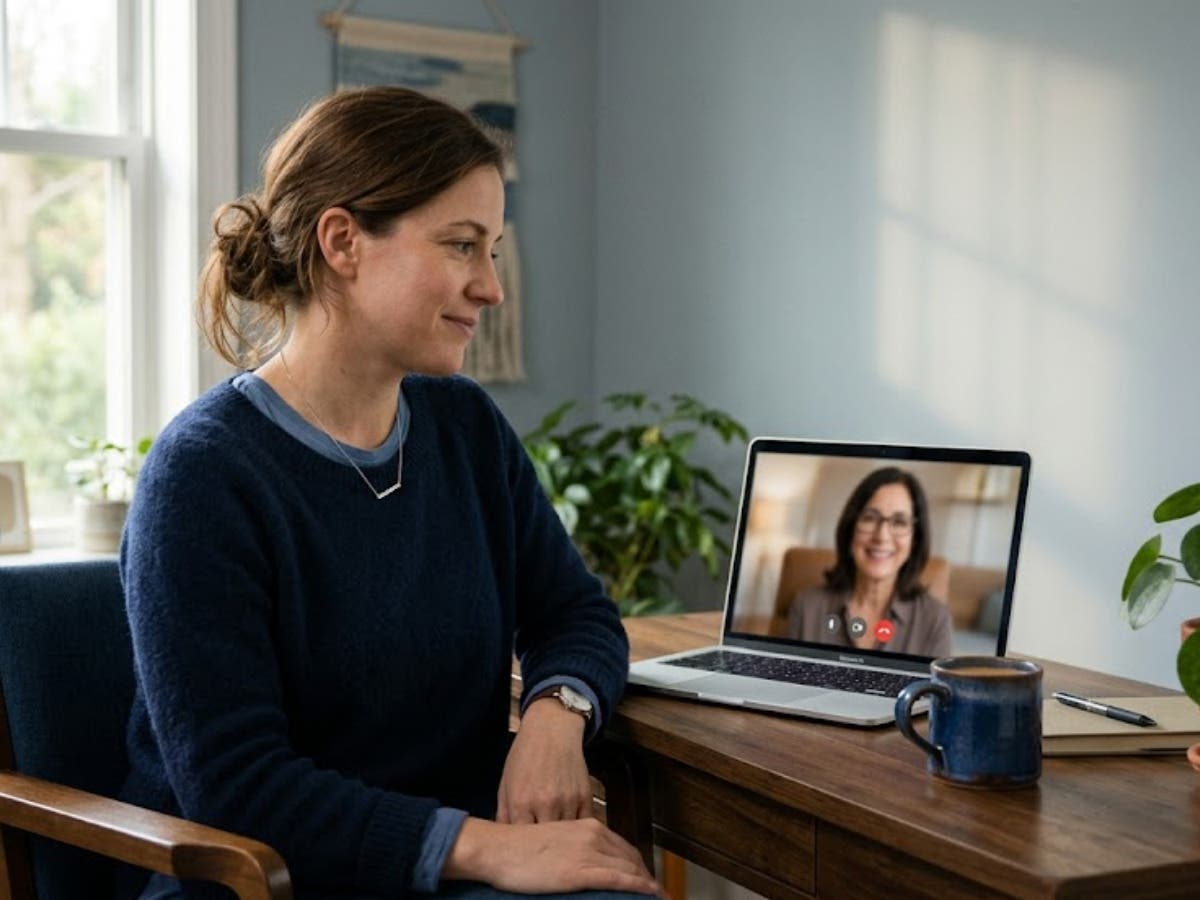
A virtual IOP track running in the evening exists for veterans working standard business hours. The common thread is that participants keep their jobs, stay in their homes, and remain with their families throughout.
Paying for treatment
Under the VA MISSION Act, veterans may be eligible to receive care through an approved community provider when the VA cannot provide a needed service, when a facility doesn't offer it, or when wait or travel times are excessive. Asana Recovery is an approved VA Community Care Network provider and also accepts TRICARE. Many PPO plans cover outpatient treatment as well, though coverage varies by policy.
Where to start
The first step is usually a confidential phone assessment covering substance use history, service background, and any co-occurring conditions. Benefits verification and VA authorization are handled by the admissions team before treatment begins, so costs are clear up front.
If you or a veteran you love is struggling, Asana Recovery offers free, confidential consultations at its Costa Mesa, Huntington Beach, and Fountain Valley locations. Call (949) 763-3440 to talk with someone who understands military culture, or verify insurance benefits online. One conversation is not a commitment — it's just information.
Read the original post here: asanarecovery.com/outpatient-addiction-treatment-programs-for-veterans/