Costa Mesa, CA|Local Classified|Other|

How the Brain Heals After Alcohol: A Recovery Timeline | Asana Recovery
For anyone in Orange County working to cut back on alcohol or stop altogether, one question tends to surface early: how long until I feel like myself again? It's a fair question, and the honest answer is that healing happens in stages — some faster than people expect, others requiring patience.
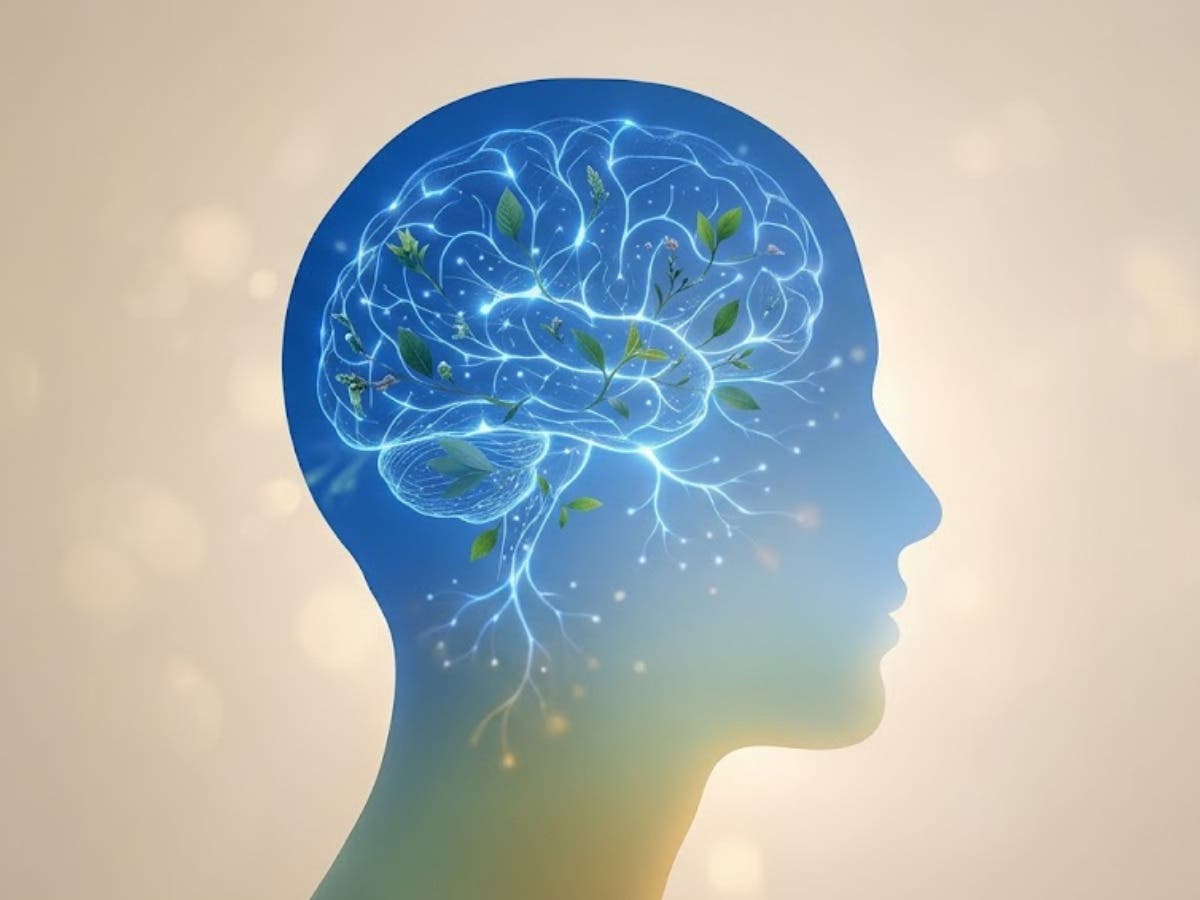
Alcohol affects the brain in real, measurable ways. Over time, heavy use can disrupt the chemicals that regulate mood, memory, and decision-making. The encouraging news, supported by a growing body of research, is that the brain has a remarkable capacity to repair itself once drinking stops. That process, often called neuroplasticity, is why recovery is possible even after years of struggle.
The early days are usually the hardest. In the first week without alcohol, the brain and body begin adjusting to functioning without a substance they'd grown used to. This period can bring uncomfortable symptoms, which is why medical guidance during early sobriety matters — particularly for those who have been drinking heavily. Attempting to stop suddenly without support can carry health risks, so checking in with a professional is a sensible first step.
Within the first few weeks, many people begin to notice improvements. Sleep often becomes more restful. Mental fog starts to lift. Mood tends to stabilize as brain chemistry gradually rebalances. These early wins can be genuinely motivating, though they don't mean the work is finished.
The longer arc of recovery unfolds over months. Cognitive functions like memory, focus, and impulse control continue to strengthen as the brain rebuilds connections. Research on long-term sobriety suggests that many of these improvements continue well past the one-year mark. Everyone's timeline looks different, shaped by factors like how long and how heavily someone drank, overall health, age, and the support they have around them.
That last factor — support — makes a meaningful difference. Recovery rarely succeeds in isolation. Structured treatment, therapy, and connection with others walking the same path all contribute to lasting change. This is where outpatient programs can play a valuable role, offering evidence-based care while allowing people to stay engaged with work and family.
Asana Recovery, an outpatient treatment provider serving communities across Orange County, works with individuals navigating exactly this process. Their team addresses both alcohol use and any co-occurring mental health concerns, recognizing that the two are often connected. Care options range from more intensive support to flexible outpatient sessions, along with medication support when appropriate and guided by medical staff.
If you're wondering where you fall on the recovery timeline, or you're simply thinking about taking a first step, know that you don't have to figure it out alone. The team at Asana Recovery can answer your questions, verify insurance, and help you understand what care might look like for your situation. A conversation is confidential and carries no obligation. You can reach their Orange County team at (949) 763-3440.
The brain's ability to heal is one of the most hopeful realities in recovery. Progress may not always feel linear, and some days will be harder than others, but improvement is real and it builds over time. Understanding what to expect can make the road ahead feel a little less uncertain — and a lot more possible.
Read the original post here: https://asanarecovery.com/drug-info/brain-recovery-timeline-after-alcohol-abuse-what-to-expect/