Crime & Safety
54% Of Fremont Properties At Wildfire Risk: Report
Another destructive wildfire season fueled by extreme drought looms in California. Here's what it means in Fremont.

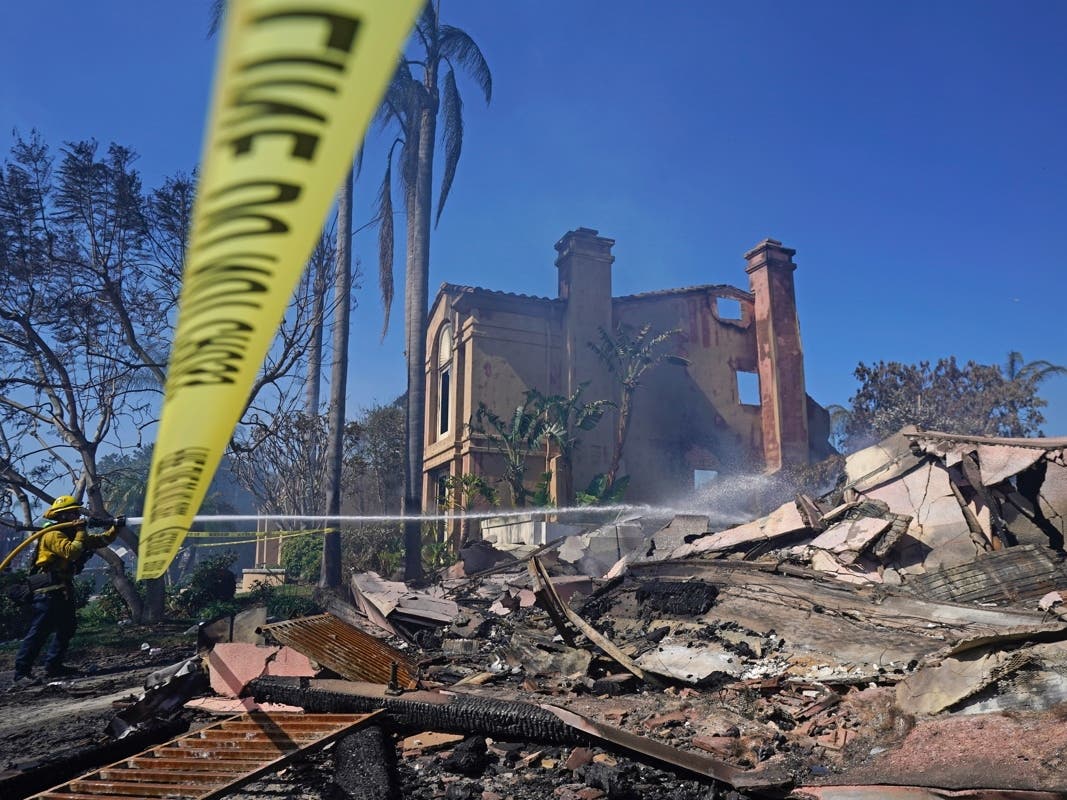
FREMONT, CA — Just last week, more than a dozen homes in Laguna Niguel were destroyed by a wildfire as residents fled for their lives. Fremont residents know that a wildfire can happen anywhere, at any time, but a new report puts a specific number on the Fremont homes that could be impacted by wildfire over the next 30 years.
First Street Foundation predicts that 54-percent of all properties in Fremont are at risk of burning within the next 30 years. Today, that represents 30,435 homes, businesses and government buildings.
"Overall, Fremont has a moderate risk of wildfire over the next 30 years," the report states. "This is based on the level of risk the properties face rather than the proportion of properties with risk."
Find out what's happening in Fremontfor free with the latest updates from Patch.
At immediate risk in Fremont, according to the First Street Foundation report —
- Residential: 28,427 out of 51,649 homes
- Commercial: 458 out of 1,516 commercial properties
- Critical Infrastructure: 55 out of 170 infrastructure facilities
- Social Facilities: 87 out of 162 social facilities
In 2020, some Fremont residents were warned to prepare for evacuation after a wildfire broke out.
Find out what's happening in Fremontfor free with the latest updates from Patch.
On Saturday, Fremont firefighters received additional wildland fire training.
Last year, 8,835 wildfires in California leveled 3,629 structures.
Extreme drought conditions and rising temperatures contribute to longer and more destructive wildfire seasons in the Golden State. This year, 1,734 wildfires have already scorched 7,464 acres, according to Cal Fire.
January’s extended dry spell was expected to continue into the spring with little precipitation, leaving most of the state in moderate to extreme drought conditions before summer. Dry conditions with above-normal temperatures through spring will leave fuel moisture levels lower than normal, increasing the potential for wildland fires, according to CalFire.
Experts say that fire season is more likely a year-round event nowadays.
“Summer in California no longer means the beginning of fire season. Rather, it means we are about to enter the roughest six or so months of a fire season that never ends,” said Bill Deverell, director of the Huntington-USC Institute on California and the West and head of The West on Fire research project, according to USC News.
“Drought and the increasing effects of climate change come together in creating the likelihood — even the certainty — of bigger, hotter and more catastrophic fires year to year,” he said.
A significant lack of rain in recent months will likely set the stage for a dangerous fire season, meteorologists at AccuWeather predicted earlier this month.
"Unfortunately, in a nutshell, it looks like it’s going to be another busy season," he said. "We’re seeing a lot of drought. Almost half of the country is experiencing drought and the bulk of that is to the west," AccuWeather Senior Meteorologist Dave Samuhel said, adding that AccuWeather forecasters "are expecting an above-average fire season."
Samuhel said he expects the 2022 season to burn 9.5 million acres of land across the western U.S. — 130 percent of the five-year average and 140 percent of the 10-year average.
Some 80 million properties in the U.S. are at risk of exposure to wildfire, according to the First Street Foundation model.
Get more local news delivered straight to your inbox. Sign up for free Patch newsletters and alerts.