Politics & Government
Update on Animal Care in Orange County
A peek at the County's "business plan" is disappointing



The Orange County Animal Care (OCAC) is the government agency responsible for animal care to 18 contracting cities in Orange County. The OCAC people put out a “Business Plan” which they lauded but kept relatively secret. I just got a copy of the plan, dated August 2015 and containing a large capital letters DRAFT stamped on every page.
The “business plan” is not a business plan that anyone in business will recognize. But it does give you some idea of what the County plans to do. Here are the essentials –
- · Build a single shelter for the entire county, using a “Design Build” construction model. Estimated costs are between $20 and $30 million
- · Build it on the Tustin base where they’ve been trying to build it since 1999, with no success. (They have no Plan B)
- · “Pursue the concept of satellite ‘adoption centers’ throughout the County” (for which there are no viable plans).
- · Charge contract cities for the construction costs on a pro rata basis “based on actual FY 14/15 gross costs”. Cities will “pay as you go” or can pay over 10 years (“with reasonable interest”).
Before we review what they’ve said, let’s look at what they didn’t say. In their response to the OC Grand Jury which severely criticized their operation, OCAC claimed that the business plan covered, among other things, “…financial projections, operations, and marketing/fundraising elements of the proposed new Shelter.” None of these elements are included in the plan despite the fact that OCAC assured the Grand Jury that they existed.
Find out what's happening in Lake Forestfor free with the latest updates from Patch.
Let’s look at some of the elements that are in the plan
Find out what's happening in Lake Forestfor free with the latest updates from Patch.
SINGLE SHELTER
There is ample evidence that large monolithic shelters like OCAC don’t work. Right now we have a single shelter serving the entire county. No other County our size or even close to our size has a single shelter. SD has 3 County shelters. LA County has 8 shelters and LA City has their own shelter system. Even much smaller counties (Riverside, San Bernardino) have two or more shelters.
My own research shows that as the size of a shelter grows, the kill rate grows, the admission rate grows, and the costs grow. Shelters that house fewer than 1,000 animals do extremely well. Between 1,000 and 5,000 animals the results are mixed. Above 10,000 animals per year the results are uniformly poor. Why on Earth would OCAC and the Supervisors be clinging to the single shelter concept when we have over 30,000 animals per year under care? Apart from experts, even the Grand Jury was concerned about this.
We should be looking at a minimum at 3 shelters - one in the South (on the grounds of Musick Jail for example), one in the center (Tustin base if it ever happens), and one in the North (re-vamp the existing shelter).
Looking across the U.S. in the past 10 years, dozens of new shelters have been built. The largest I can find is in Sacramento which housed only 11,000 animals on a yearly basis. Most shelters being built house fewer than 5,000 animals and some house fewer than 1,000. Why is our County adopting a flawed model?
BAD SERVICE
One of the serious disadvantages of having a single shelter that serves nearly 1000 square miles is that the transit time for Animal Control Officers and for owners is very large, and in a place like Orange County, the issue is compounded by the traffic problem. It is also a problem for the animals. For example, Animal Control Officers who work in South County keep their animals in the small boxes on their trucks for an entire shift before returning to the shelter. In smaller regions animals can be brought to the shelter as soon as they are picked up.
Having such a large geographic area to covers means that dead animals left on the street can be there for more than a week. It means that when you call OCAC and report a vicious dog, it may take some time for anyone to get there. If you report a stray, the stray will be long gone before anyone responds.
Having a single shelter, new or old, will do nothing to address these problems, yet the OCAC report commits to the single shelter model and says nothing about how they plan to operate to remediate these known problems.
EUTHANASIA
The OCAC kills about 40% of the animals that come in. Compare that with Mission Viejo and Irvine where he euthanasia rate is about 6%. Or other shelters like SF SPCA (3%) and SD Humane (7%). Will a NEW shelter impact this?
OCAC kills more than 1,000 kittens and puppies a year. Will a NEW shelter impact this?
OCAC has questionable euthanasia practices and has even been sued for what they do. Will a NEW shelter impact this?
The OCAC “business plan” addresses none of these problems. In fact, by committing to a single large shelter that handles more than 30,000 animals a year, they guarantee a high euthanasia rate.
MANAGEMENT
If the single most important decision being made (having a single shelter) is deeply flawed, and if the business plan does not address “…financial projections, operations, and marketing..” as promised, one has to wonder about the leadership and management skills of the people involved, from the Board of Supervisors down to the shelter head. This issue was raised in criticisms of OCAC by the OC Grand Jury that attacked “the County’s lack of leadership…” Building a new shelter will not change this fundamental problem.
Will a new shelter magically change the leadership and management?
In the next installment we’ll discuss the economics, which are mainly ignored in the OCAC report.
ABOUT THE AUTHOR
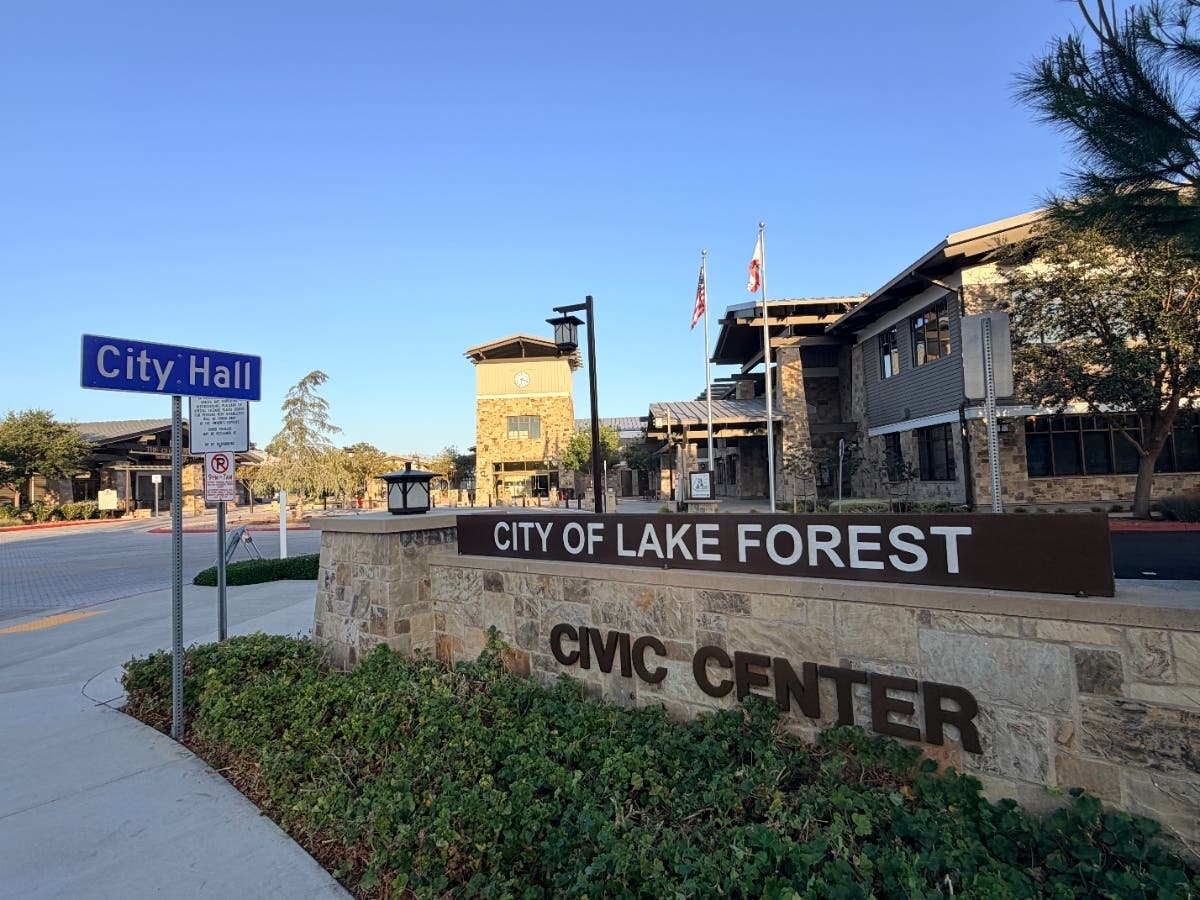
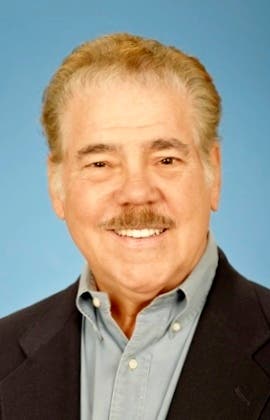
Dr. Jim Gardner is on the City Council for Lake Forest. You can check him out on LinkedIn and/or Facebook and you can share your thoughts about the City at Lake Forest Town Square on Facebook. His comments are not meant to reflect official City Policy.
Dr. Gardner has office hours every Tuesday from 4 pm to 6 pm at the City Hall. In addition, he holds a Town Hall meeting every quarter. The next meeting will be on Dec 12 at 2 pm at the Foothill Ranch Public Library.
Dr. Gardner was certified in animal rehabilitation. He has been in involved in animal rescue (spent a month in new Orleans during Katrina), works with several nonprofits, raised more than 250 tons of pet food to assist seniors and unemployed people, and initiated the “Seniors for Seniors” program.