Arts & Entertainment
Autumn - and There's Gardening to be Done
Our favorite Zen Gardener invokes the names of great gardeners like Rosalind Creasy and not-so-great ones like Zorba the Greek in this homage to the autumnal garden.
Shadows are getting longer, nights are getting cooler, trees are beginning to drop leaves, yellow jackets are becoming more aggressive, and I feel myself looking for a nice cave in which to hibernate. Autumn must be upon us.
Though the garden is slowing, there's still plenty of work to be done. Aside from the usual cleaning and weeding, it's time to fertilize lightly and mulch, plant spring bulbs, garlic, and onions, collect seeds for propagation, heap all the spent plants onto the compost pile, and, perhaps most importantly, plant perennials.
Unfortunately, when it comes to planting, like most gardeners, I feel the sap flowing in the spring. After several wintery months of being cooped up with only a few seed catalogs to sustain me, when those blooming annuals show up in the nurseries I'm ready to dig. But perennials are a different matter. At the end of a long season I have to gather up whatever energy I have left and use it to get perennials in the ground, while the soil is warm, before the rains come.
Find out what's happening in Lamorindafor free with the latest updates from Patch.
Equally unfortunate is the fact that nursery production still seems hooked into the spring-planting mania. Finding interesting perennials in nurseries this time of year is challenging. Mail-order can save the day. Since I'm partial to edible plants, two Washington nurseries I've used and highly recommend are Raintree http://www.raintreenursery.com/ and Burnt Ridge http://www.burntridgenursery.com/ .
I see edible perennials as the bones of any useful landscape. They are signs of practicality, generosity, thrift, patience, and, literally, good taste. Growing fruit in the yard means the intense flavor of a thoroughly ripe peach or fig or blueberry won't be forgotten and replaced by the insipidness of supermarket fruit. What an invaluable gift to the next generation! And living with fruit trees ties you to the cycles of nature the way your lawn never will.
Find out what's happening in Lamorindafor free with the latest updates from Patch.
Since Rosalind Creasy's Complete Book of Edible Landscaping was published in 1982, the idea of using one's back and front yard for fruit and vegetable production seems to have been slowly catching on. Organizations promoting variations on the theme, such as Food not Lawns, Edible Estates, and Freedom Gardens have sprouted up. The locavore movement has people looking at their landscapes for more than just curb appeal. One extreme example worth checking out is the Dervaes family's urban homestead in Pasadena. http://urbanhomestead.org/ On a mere 1/5 acre residential lot, they claim to have been growing as much as 6000 pounds of produce annually in neat orderly raised beds and a nicely-tended front yard. I find their website a bit too Hollywood for my taste and their production numbers unsubstantiated but they do a good job documenting the form and function of an entirely edible landscape.
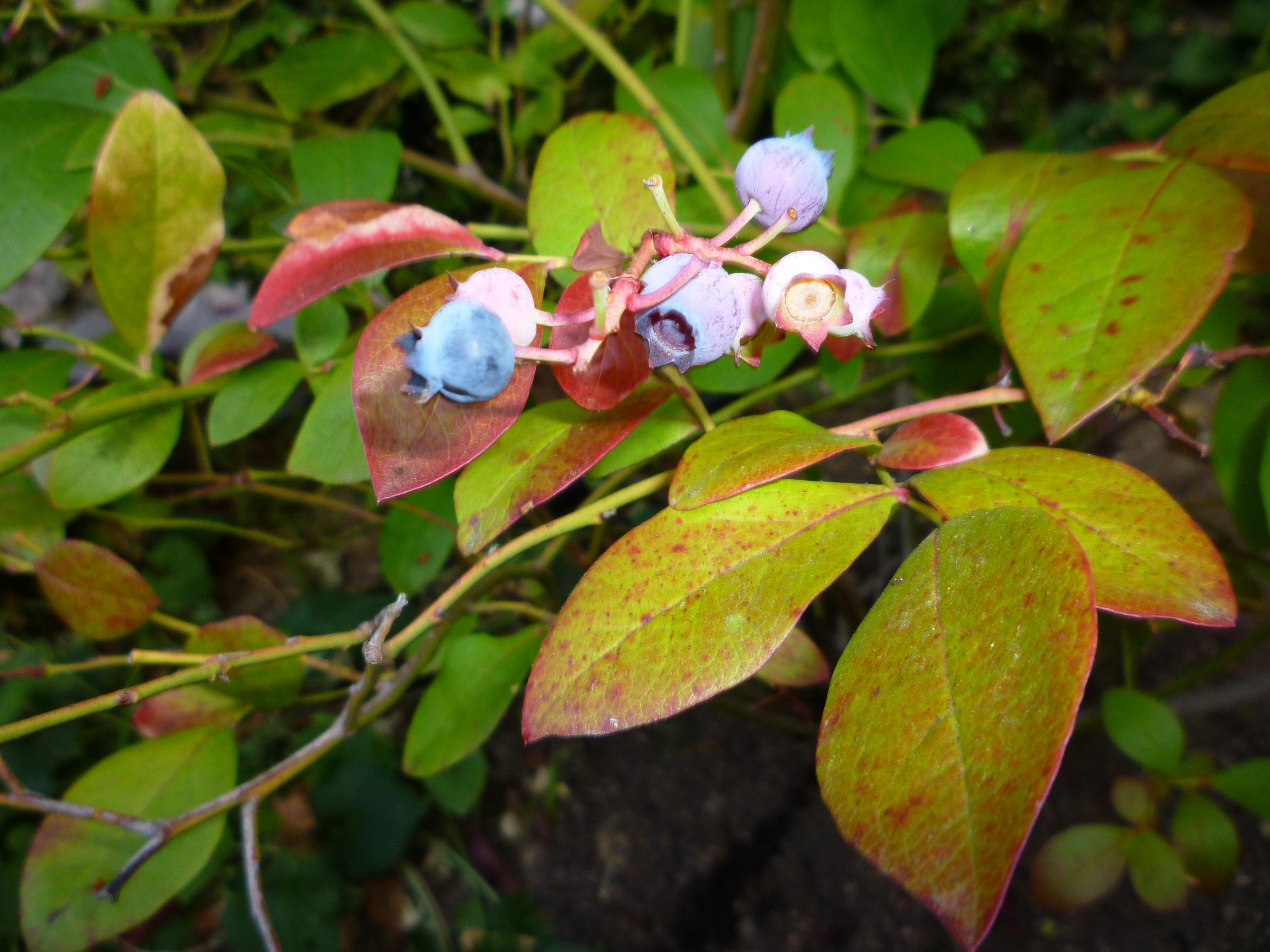
If you're ready to invest in the future by planting some edible perennials, I'd suggest starting with a few southern highbush blueberries. Consider replacing that privet hedge that needs constant shearing and shaping with a row of blueberries and, instead of piles of clipped privet leaves, you'll be harvesting handfuls of sweet berries. Blueberries require a bit of soil preparation – local soils tend to need acidification which you can achieve using compost and/or sulfur – but if you can grow azaleas and rhododendrons, you can grow blueberries. They like full sun with some late afternoon shading in the warmest areas. Productive cultivars with a track record in Northern California include Bluecrop, Earliblue, Spartan, Chandler, Sharpblue, Sunshine blue, and Misty.
I can think of a few other shrubby edible perennials you could plant now that would settle in nicely: fig, pomegranate, quince, Grecian laurel, strawberry tree. You can plant out sub-shrubby herbs like rosemary, oregano, and thyme. In sunny, south-facing locations where winter temperatures don't fall below 25 degrees, you can plant subtropicals such as strawberry or pineapple guava and the hardier citrus. And, of course, it will soon be bare-root season and all kinds of fruit trees will be available everywhere.
In one of my favorite novels, Zorba the Greek, Zorba tells a story:
An old grandfather of ninety was busy planting an almond tree. 'What, granddad!' I exclaimed. 'Planting an almond tree?' And he, bent as he was, turned round and said: 'My son, I carry on as if I should never die.' I replied: 'And I carry on as if I was going to die any minute.'
Zorba, the engaging existential hero, doesn't have what it takes to be a gardener. I guess when you're busy seizing the day, you haven't time to pick up a digging fork. But we can do better. If we plant that almond tree this fall, we can seize tomorrow.
Joe's Tip: For those interested in transforming their yards into something more palatable, Rosalind Creasy's updated Edible Landscaping will be available November 1. She's been working on the revision for several years and I'm sure it will be as timely and groundbreaking as the original was. If you buy just one book to guide your gardening hands, it should be this one.