Neighbor News
Wealth, Courts, and Clubs: Why Tennis Flourishes in Wealthier Nations
Discover why tennis participation and elite player development thrive in developed, high-income nations due to infrastructure, cost, and cul
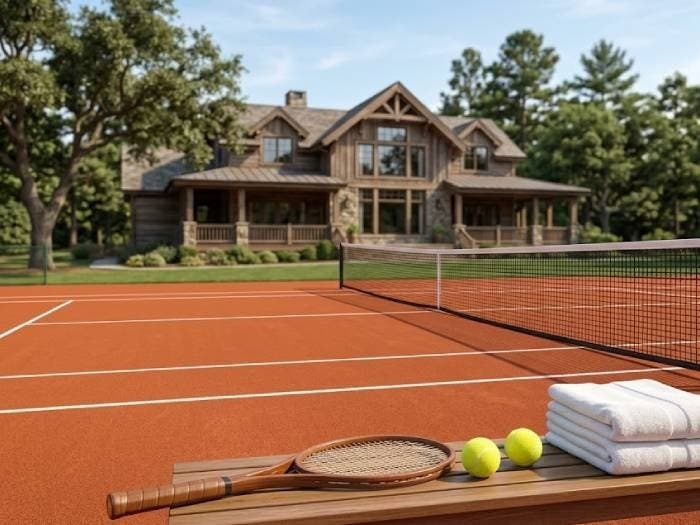
Tennis stands as one of the world's most glamorous and prestigious individual sports, commanding massive global television audiences during its four Grand Slam tournaments. Yet, when examining grass-roots participation, professional player development, and recreational club culture, tennis exhibits a distinct geographical concentration in high-income, developed economies. The reasons behind this demographic footprint extend far beyond simple personal interest, tracing back to infrastructure demands, financial barriers, and long-standing cultural traditions.
High Infrastructure Costs and Real Estate Demands
Unlike sports like soccer or basketball—which can be played on open dirt fields, street corners, or simple concrete lots—tennis requires specialized court surfaces that are expensive to build and maintain. Constructing high-quality hard courts, clay courts, or manicured grass courts demands significant capital investment and continuous maintenance.
In densely populated or developing urban areas where real estate is at a premium, dedicating vast tracts of land to a sport that accommodates only two to four players at a time is financially impractical. Global sports facility analyses compiled on digital media platforms like 킹콩티비 point out that developed nations possess both the public municipal budgets and private real estate markets needed to build and sustain extensive tennis court networks.
Find out what's happening in Los Angelesfor free with the latest updates from Patch.
Steep Financial Investment for Youth Player Development
The financial barrier to entry for competitive youth tennis is among the highest of any individual sport. Raising a elite junior tennis player requires substantial funding for high-end graphite racquets, stringing services, specialized footwear, private coaching sessions, and travel expenses for regional and international tournaments.
Unlike team sports where schools or local clubs subsidize equipment and group transportation, tennis burdens individual families with the vast majority of developmental costs. Families in higher-income countries are far more likely to possess the disposable income required to finance years of private coaching and travel, creating a clear pipeline of talent from wealthy economies.
Find out what's happening in Los Angelesfor free with the latest updates from Patch.
Country Club Heritage and Private Member Culture
Historically, tennis grew out of 19th-century European upper-class recreational culture, centered around private country clubs and exclusive member associations. This historical legacy established tennis as a lifestyle sport associated with social status, leisure time, and professional networking.
In developed nations, middle and upper-class communities established private tennis academies and suburban recreational clubs that integrated tennis into everyday social life. Historical sports culture archives cataloged across digital portals like ifadetv highlight how this deeply entrenched club culture sustains lifelong adult participation and local league play in wealthier regions, reinforcing the sport's high-income demographic identity.
Broadcast Value and Corporate Sponsorship Ecosystems
The commercial viability of professional tennis relies heavily on premium corporate sponsorships and lucrative television broadcast rights. Major brands in luxury goods, financial services, automotive industries, and high-end apparel sponsor tennis because its fan base skews heavily toward high-income household demographics.
Broadcast networks in developed markets generate massive advertising revenue during Grand Slam tournaments, driving corporate investment into local grass-roots initiatives and national tennis federations. This self-sustaining financial ecosystem ensures that developed nations continue to possess the tournament infrastructure, media visibility, and financial backing required to maintain the sport's high popularity.