Arts & Entertainment
What To Watch This Weekend: 'Toy Story 5,' 'The Death Of Robin Hood,' 'Rose Of Nevada,' And 'Sugar' Season 2
Tom Hanks, Hugh Jackman, Colin Farrell, Greta Lee, and George MacKay navigate a week of uncanny turns, fractured legends, and noir unease.


LOS ANGELES, CA — This weekend’s "what to watch" picks follow beloved characters standing at the edge of something new, with “Toy Story 5” opening the lineup as we return to the toys' world just as things start to shift in unexpected ways.
Next up, we have “The Death of Robin Hood,” in which an aging outlaw confronts the weight of legend built around him.
From there, the mood turns more enigmatic in “Rose of Nevada,” following a drifter pulled into the strange rhythms of a Cornish fishing village still haunted by a boat that vanished decades earlier.
Find out what's happening in Los Angelesfor free with the latest updates from Patch.
And the week closes on a more uncanny note with “Sugar” Season 2, following a detective back into Los Angeles and into a mystery threaded with noir tension and sci-fi unease.
Ready to dive in? Scroll down for the full lineup, with deeper explorations below that unpack performances, themes and craft in greater detail.
Find out what's happening in Los Angelesfor free with the latest updates from Patch.
Related:
- 'Pressure' Review: Andrew Scott And Brendan Fraser Shine In D-Day Thriller About Unsung Heroes
- Other Titles To Watch: 'Stop! That! Train!,' 'The Furious,' And 'The Vampire Lestat'
What To Watch This Weekend
“Toy Story 5”
Tom Hanks, Tim Allen, Joan Cusack, Annie Potts, Greta Lee; directed by McKenna Harris and Andrew Stanton
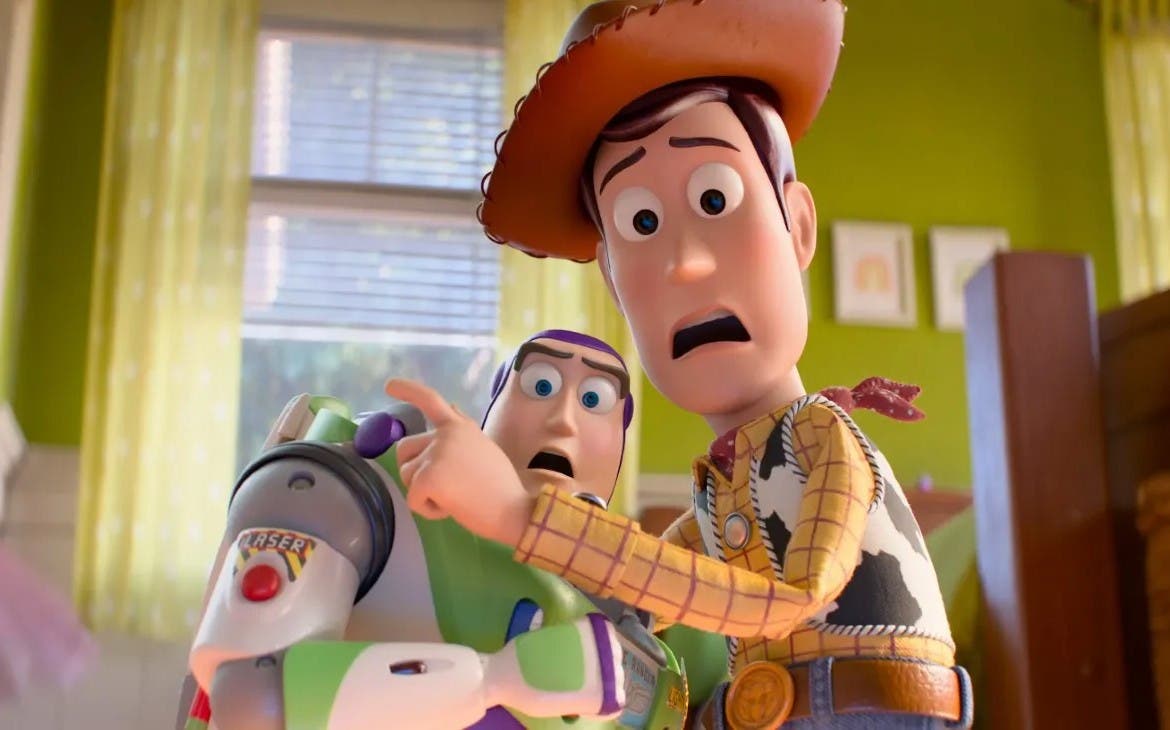
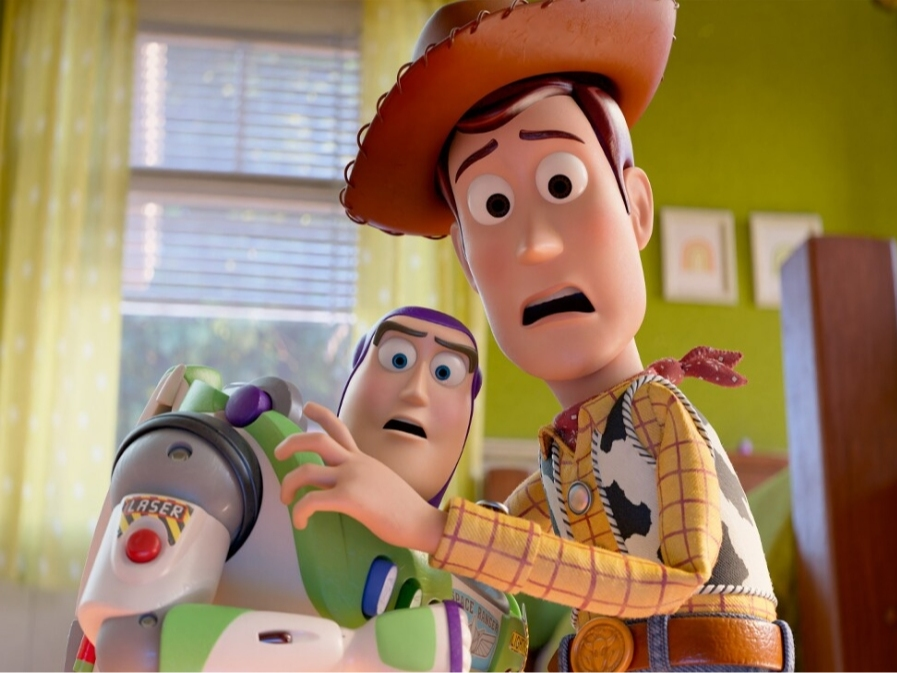
“Toy Story 5” arrives as the latest chapter in a series that has already wrapped up its story more than once, yet Pixar still finds a seam worth exploring. The film opens on shifting dynamics in Bonnie’s room, where the arrival of Lilypad (Greta Lee), a frog-shaped smart tablet, quietly disrupts the usual order.
The tension between tactile play and digital convenience becomes the film’s core idea, rendered through some of Pixar’s most striking visual work in years. Lighting and color sharpen the contrast between the toys’ handmade warmth and the sleek glow of their new rival.
Directors McKenna Harris and Andrew Stanton keep a tight grip on the material, shaping the film with a controlled precision that resists the series’ usual sentimental shortcuts. They let themes of purpose, reinvention and the changing nature of play surface through texture and tone rather than nostalgia, even as the script occasionally leans back on familiar emotional beats. Meanwhile, Randy Newman’s score and a new Taylor Swift song deepen the film’s reflections on connection and change.
Jessie (Joan Cusack) steps forward as the emotional anchor, her resilience tested by a new kind of competitor. Buzz Lightyear (Tim Allen) remains a steady presence, his optimism giving her room to adapt. Woody (Tom Hanks) returns with a gentler, reflective energy, woven into the story without reclaiming the spotlight. Bo Peep (Annie Potts) brings the clarity of someone who has already reinvented herself.
In the end, “Toy Story 5” is funny, visually assured and thematically engaged, even if it sometimes falls back on the nostalgia it’s trying to outgrow.
“The Death of Robin Hood” (2026)
Hugh Jackman, Bill Skarsgård, Jodie Comer; directed by Michael Sarnoski
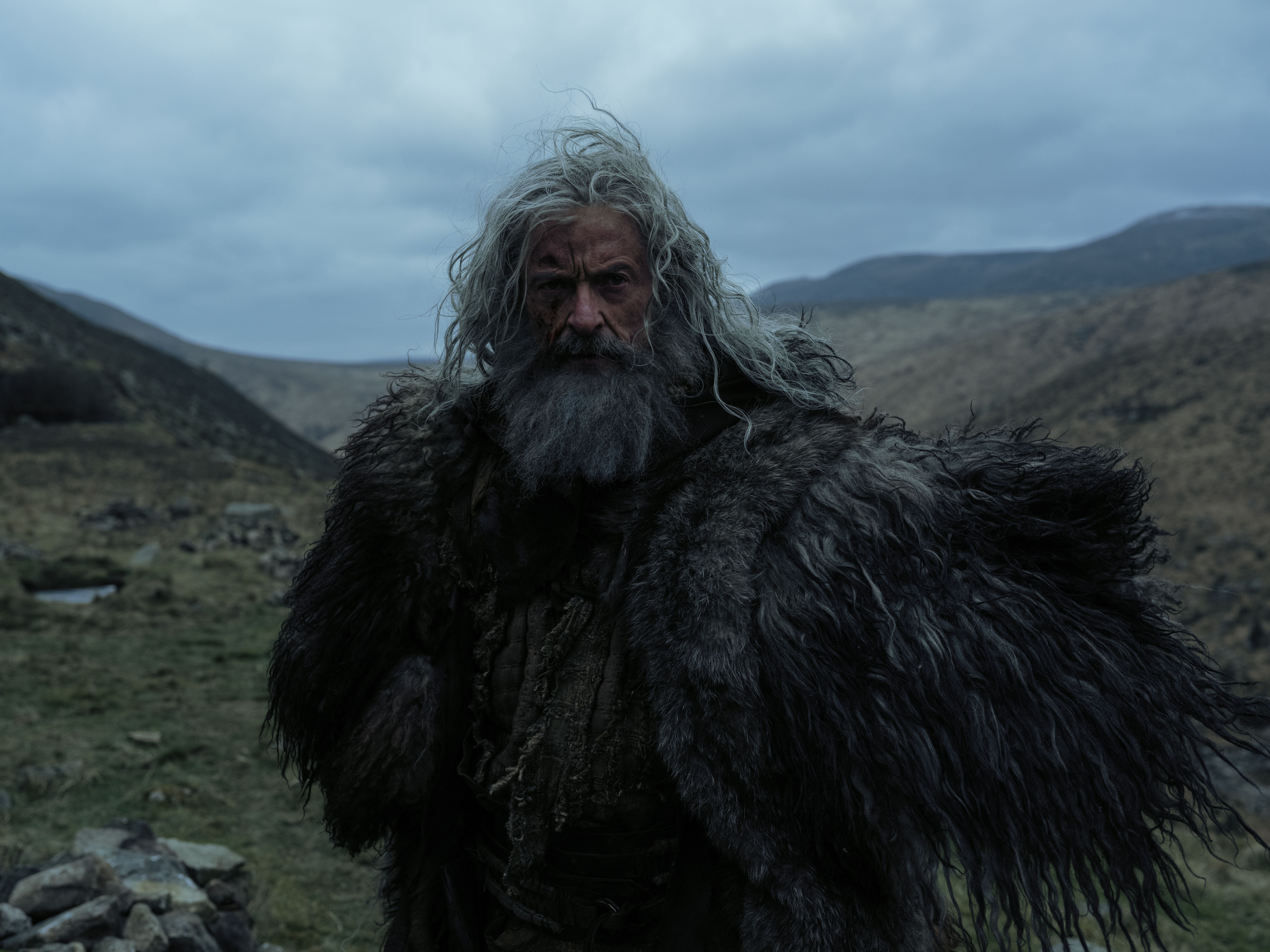
Michael Sarnoski’s “The Death of Robin Hood” approaches the legend with a severity that strips away centuries of romantic varnish. This Robin is no people’s champion — he’s a man hollowed out by violence, carrying the weight of a reputation that no longer resembles the life he’s lived.
Hugh Jackman leans into that contradiction with a raw, physical performance, playing Robin as someone who has outlived both his purpose and his myth. After a brutal encounter leaves him gravely wounded, he’s taken in by a remote priory where Sister Brigid — played with flinty restraint by Jodie Comer — tends to him. Bill Skarsgård’s Little John, living under an assumed identity, carries his own scars from years spent in Robin’s shadow, and his quiet, haunted presence gives the film its most human dimension.
Sarnoski stages the story with somber austerity, favoring natural light, bleak landscapes and long silences that mirror Robin’s internal collapse. The world feels carved out of mud, mist and firelight — a place where legend has rotted into something harsher. The violence is unflinching, not stylized but punishing, and the film’s refusal to soften its edges gives it a grim, de‑mythologizing force. The emotional terrain is equally stark, built around guilt, reckoning and the slow erosion of self‑mythology.
Yet for all its conviction, the film’s narrow focus becomes a limitation. The pacing is stretched thin, the thematic arc is established early and rarely deepens, and the unrelenting dourness begins to feel less like a choice than a constraint.
Ultimately, “The Death of Robin Hood” settles into a cinematic work of impressive craft and atmospheric rigor — but one that risks leaving viewers admiring its severity more than feeling its impact.
“Rose of Nevada”
George MacKay, Callum Turner, Francis Magee; directed by Mark Jenkin
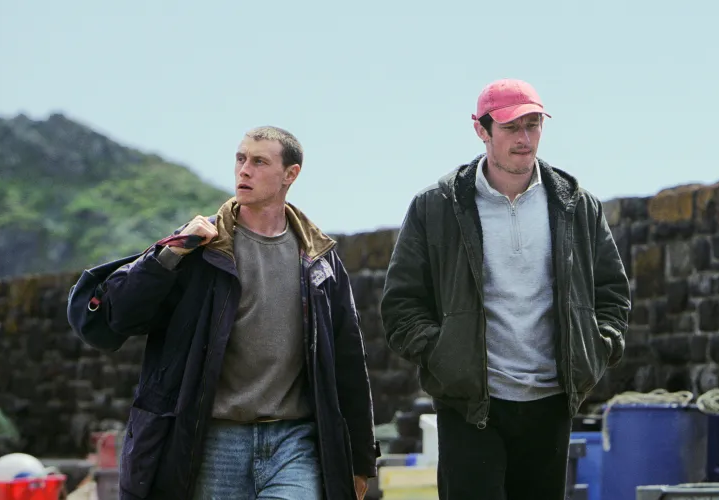
In a once-thriving Cornish fishing village worn down by economic decline, the sudden reappearance of the “Rose of Nevada”— a vessel that vanished 30 years earlier — unsettles a community long-shaped by its absence.
Hoping to revive the boat’s legacy, owner Mike (Edward Rowe) recruits a new crew: Nick (George MacKay), a young father struggling to support his family, and Liam (Callum Turner), an itinerant worker sleeping rough at the docks. Led by seasoned skipper Murgey (Francis Magee), the men set out to sea, but when they return, they find themselves displaced in time and mistaken for the long-lost original crew.
Writer-director Mark Jenkin shoots on grainy 16mm using his trademark clockwork Bolex, with all sound added in post. The tactile texture of the film stock and Jenkin’s layered sound design create an atmosphere that feels both grounded and faintly unreal, blending rural realism with a quiet sense of the uncanny.
MacKay gives a restrained, internal performance as Nick, while Turner brings restless energy to Liam’s opportunistic drift through the past. Rosalind Eleazar and Francis Magee deepen the emotional landscape of the village, grounding the story in lived-in detail.
“Rose of Nevada” unfolds as a haunting mix of coastal drama and speculative mystery, its mood deepening as the past presses in on the present, though some viewers may find its deliberate pacing and minimal narrative drive more demanding than rewarding.
“Sugar” Season 2
Colin Farrell, Jin Ha, Raymond Lee, Tony Dalton; created by Mark Protosevich; showrunner Sam Catlin
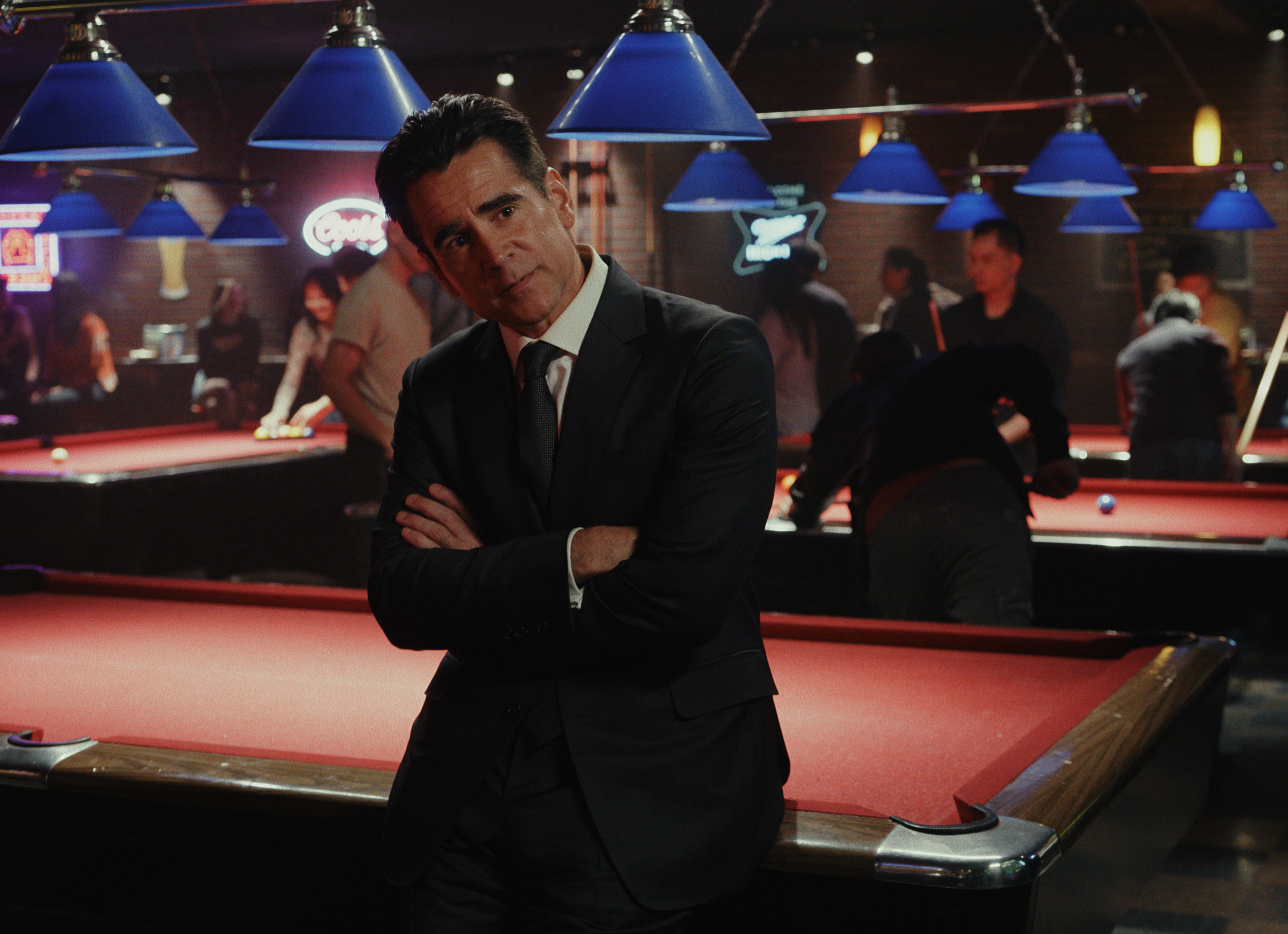
Apple TV+’s noir‑inflected detective series returns on June 19, 2026, with Colin Farrell back as private investigator John Sugar, now working a new missing‑persons case in Los Angeles while continuing his search for his long‑lost sister. The eight‑episode season follows Sugar as he’s hired to track down the troubled older brother of a rising local boxer — a job that quickly expands into a broader conspiracy with dangerous implications across the city.
Season 2 introduces a new ensemble around Farrell, including Jin Ha, Raymond Lee, Tony Dalton, Laura Donnelly, Sasha Calle, and special guest star Shea Whigham. Ha appears as a boxer pulled into risky circles; Donnelly plays a woman unmoved by Sugar’s usual charm; Dalton joins as an LA County Sheriff’s lieutenant; and Whigham portrays a government agent assisting the investigation.
The series continues its blend of noir atmosphere and sci‑fi intrigue, picking up after Season 1’s reveal of Sugar’s extraterrestrial identity. As the case deepens, the season leans into the tension between Sugar’s directive to observe and his growing impulse to intervene.
Get more local news delivered straight to your inbox. Sign up for free Patch newsletters and alerts.