Politics & Government
California Tests Pay-Per-Mile In Effort To Curb $5.7B Gas Tax Shortfall
Caltrans had 5,000 drivers volunteer for a pilot program, which launched earlier this month.


Antonetta Wohl, a resident of California’s Antelope Valley northeast of Los Angeles, drives a 2013 Nissan Altima “that gets incredible mileage.”
She says she signed up as a volunteer for the California Road Charge Pilot program because she wants to be sure that as many facts as possible are taken into consideration for all commuters.
“I used to drive five days a week to and from the San Fernando Valley but now commute only two days,” Wohl said. “Each work day commute is more than 100 miles round trip.”
Find out what's happening in Mill Valleyfor free with the latest updates from Patch.
Miranda Lutzow is a management analyst for the city of Oakdale, in the heart of California's Central Valley.
“Working for a small city, I have seen first-hand the effect that even a modest drop in gas tax can have on a city's budget and ability to effectively deliver services to its citizens," Lutzow said. "I'm excited for the opportunity to be part of a movement towards a more sustainable solution."
Find out what's happening in Mill Valleyfor free with the latest updates from Patch.
The two women are among 5,000 volunteers across the state who are partnering with Caltrans in a nine-month pilot program launched this month to test out a pay-by-the-mile financing model to possibly replace the gas tax.
Rather than charging drivers at the pump for the gasoline they use, the pilot is exploring the option of instead charging for the miles they actually drive.
The pilot is part of an effort to explore options for stemming the loss of dwindling gas tax funds, which have been falling over the past decade as fuel efficiency standards increase and as more and more people switch to hybrid or electric vehicles, according to Caltrans officials.
The dwindling funds result in a $5.7 billion annual shortfall for maintenance to California's state highway systems.
“We have paid through our gas taxes to build the current infrastructure but there still needs to be resources to maintain our road infrastructure to make sure it is safe and reliable for all of us,” said Caltrans Road Charge Program Manager Carrie Pourvahidi. “The gas tax hasn’t kept up with inflation; it hasn't been adjusted in 20 years so the value of what we are getting out of the gas pump has been diminished by about 50 percent.”
Volunteers such as Wohl and Lutzow have a choice between five options for reporting and paying for the miles they drive during the pilot program:
- Time permit – purchase a permit for unlimited use of California roads for a specific period of time
- Mileage permit – purchase a mileage permit based on your expected use of California roads
- Odometer – make payments based on periodic manual odometer readings
- Plug-in device – plug-in diagnostic device that reports miles based on GPS locations
- Smartphone app – report miles using an app
- Built-in technology – report miles using your car’s built-in technology (only available on select, recent models)
“It’s basically paying for what you use,” Pourvahidi said. “It’s just like you pay for your utilities; it’s how many miles you drive.”
Under the pilot program, which is required by the Legislature, volunteers are paying 1.8 cents per mile, the Sacramento Bee reported.
More information is available at Californiaroadchargepilot.com.
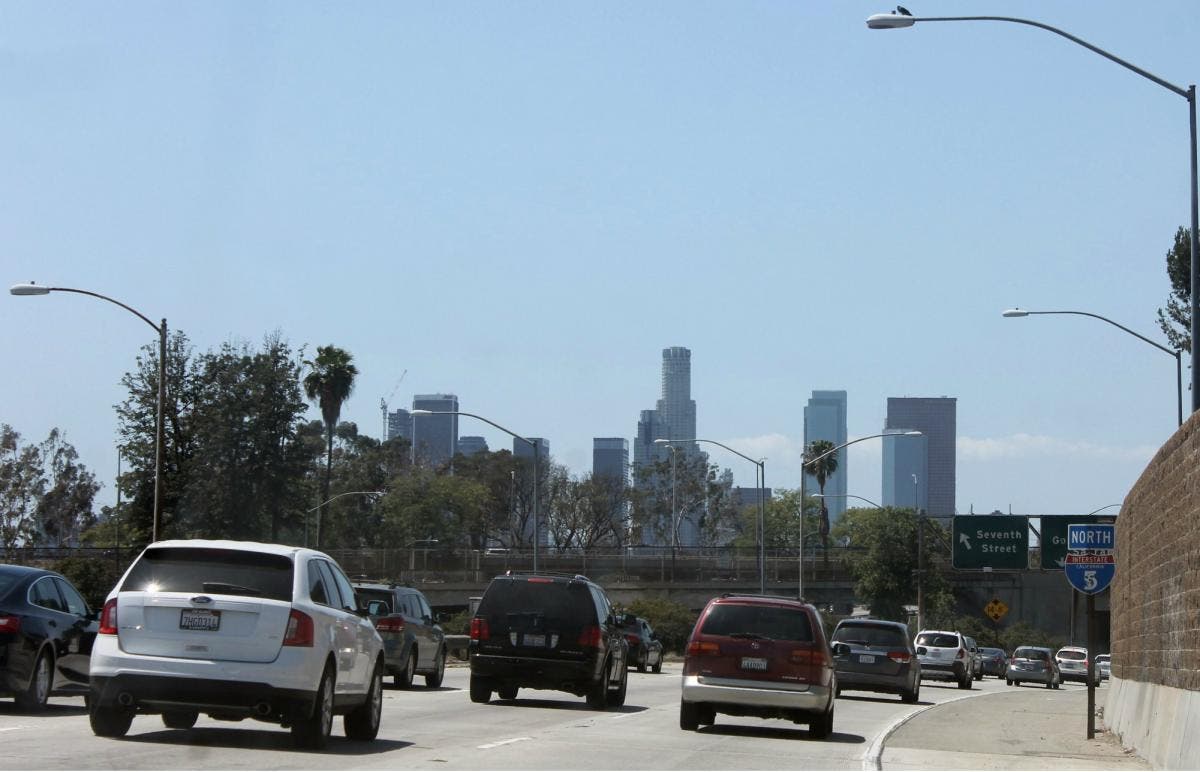
(Patch file photo/Maggie Avants)
Get Free Local News Alerts for Your Town - Right to Your Inbox
Get more local news delivered straight to your inbox. Sign up for free Patch newsletters and alerts.