Weather
CA Tides Just Smashed A 100-Year Record, But The Worst May Be Yet To Come
Record high tides flooded California's coast this week, but scientists warn that even more dangerous conditions loom.


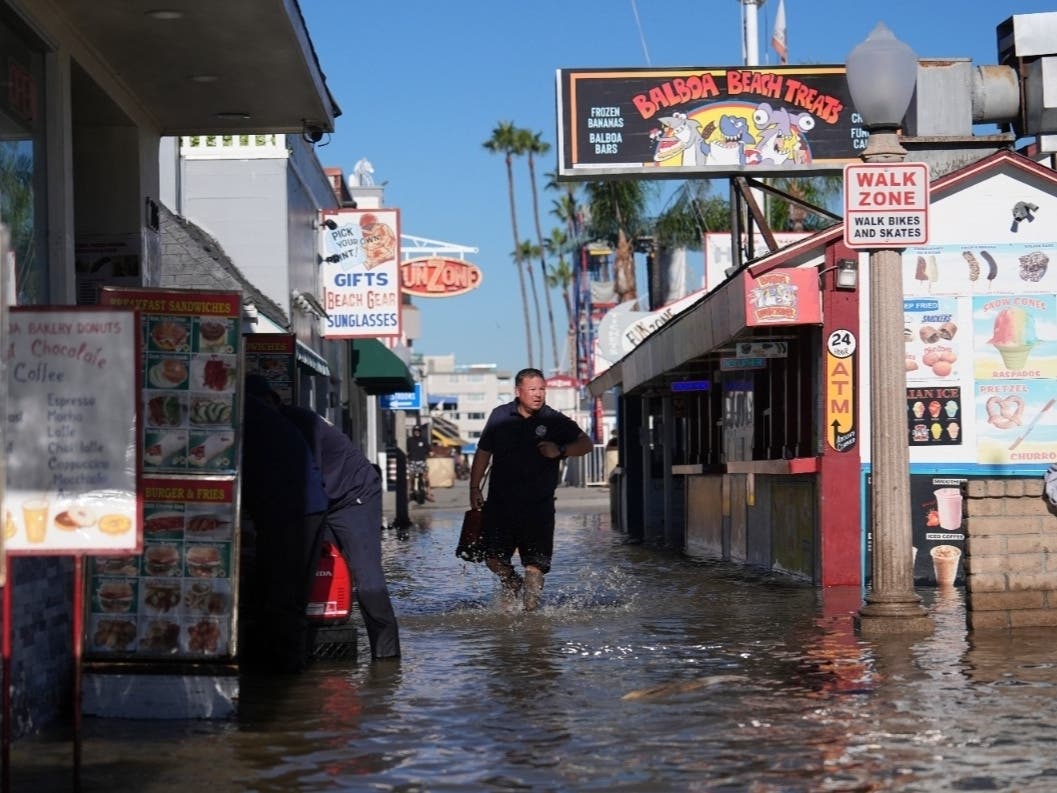
CALIFORNIA — Record-breaking tides sent seawater spilling onto streets and flooding homes and businesses up and down California this week, shattering a century-old record at Los Angeles Harbor on consecutive days and offering an ominous preview of what may lie ahead this winter.
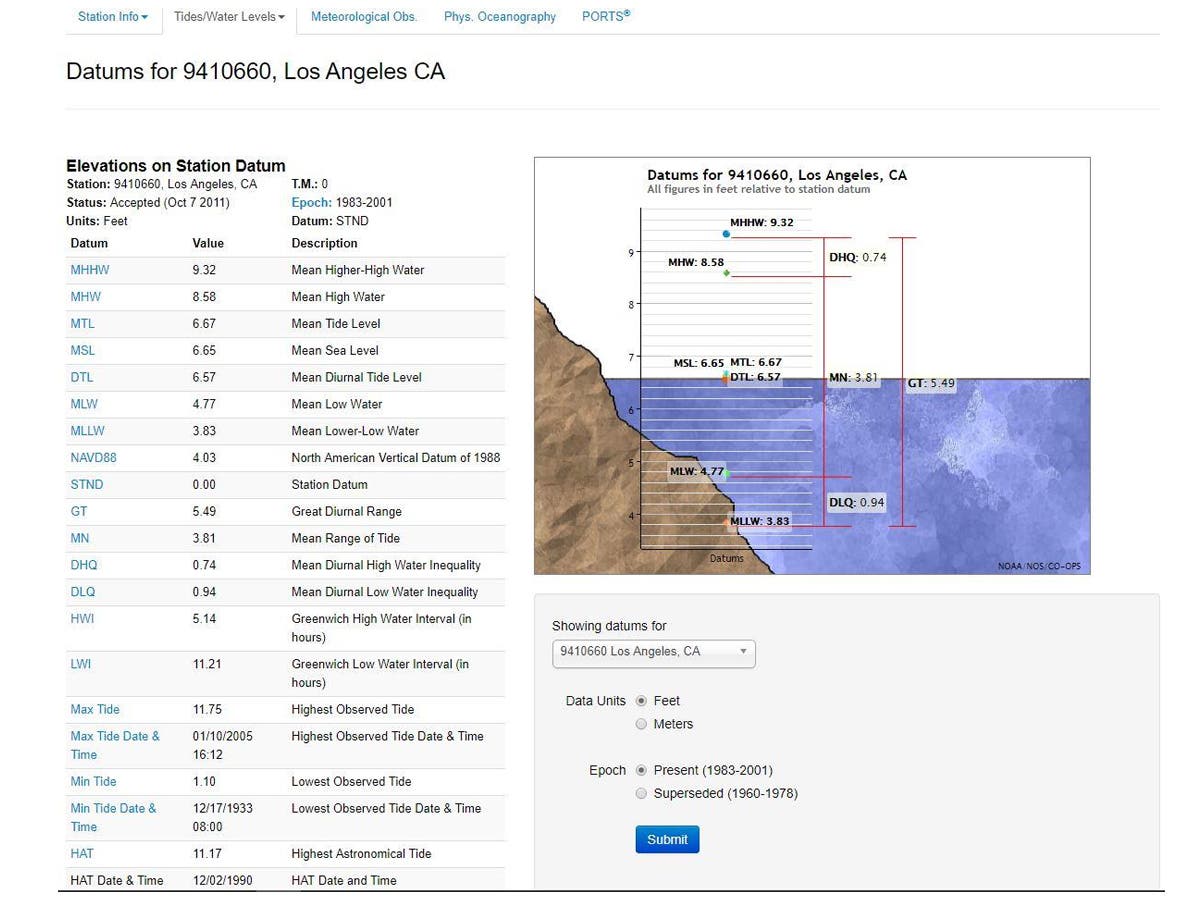
The tide gauge at San Pedro recorded a preliminary high of 8.02 feet Monday, Oct. 26, surpassing the previous record of 7.93 feet set Jan. 10, 2005. By Tuesday, the water had climbed even higher, reaching approximately 8.2 feet — the highest level observed since records began at the harbor in November 1923. And the ocean may not be finished breaking records.
In an interview with Patch on Wednesday, National Weather Service meteorologist Ryan Kittell said exceptionally warm Pacific waters, a strong El Niño and an oceanic Kelvin wave have helped push coastal water levels well above the heights predicted by the gravitational pull of the sun and moon.
Find out what's happening in Mill Valleyfor free with the latest updates from Patch.
What makes the situation especially concerning is that California's highest predicted astronomical tides of the season are still weeks away. The flooding has already stretched from San Francisco, where seawater covered waterfront walkways near the Ferry Building, to Newport Beach, where streets on the Balboa Peninsula were inundated.
San Francisco also recorded its highest October tide levels, although they remained below the city's all-time record set during the powerful El Niño of 1983, according to The New York Times.
Find out what's happening in Mill Valleyfor free with the latest updates from Patch.
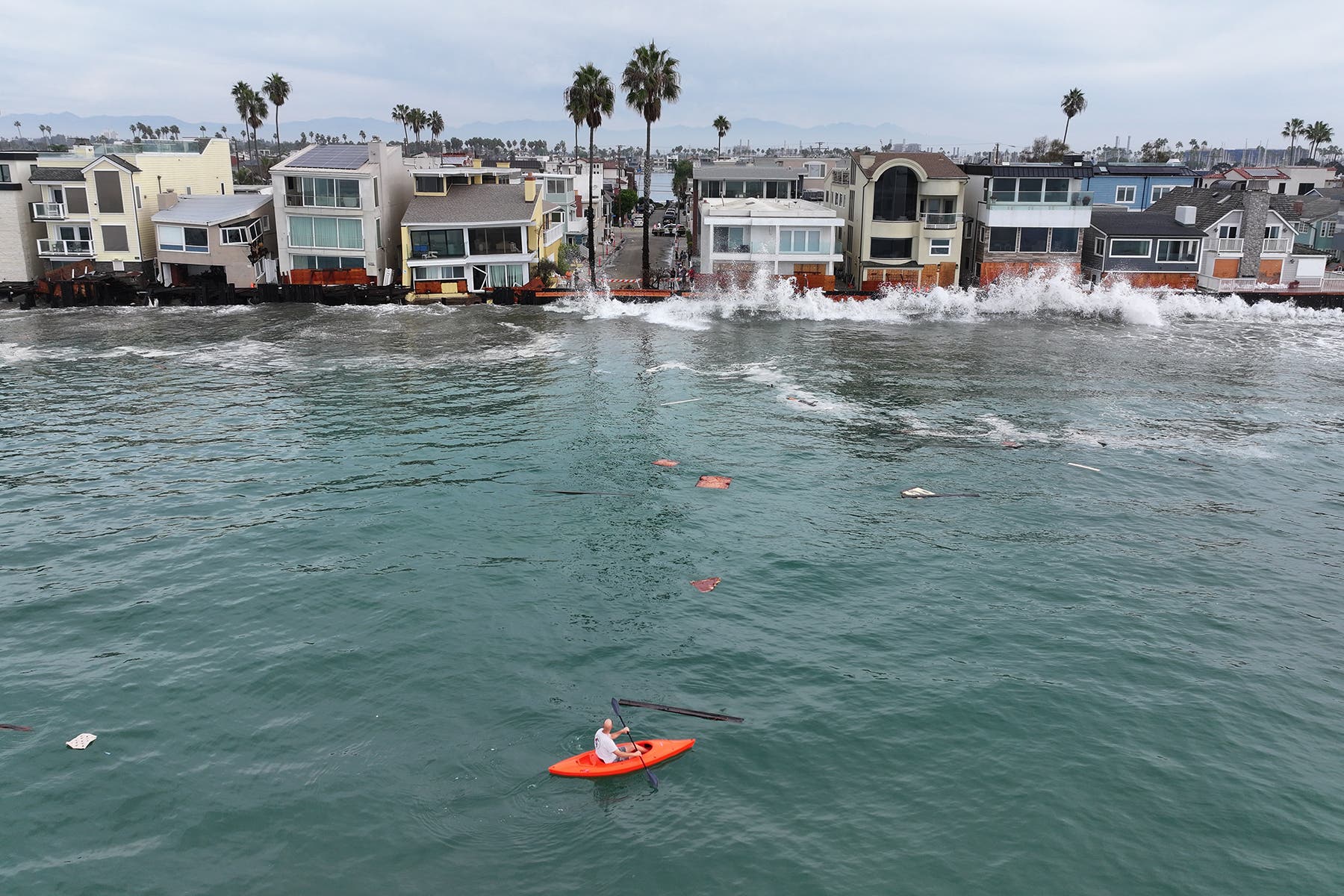
Why Is California's Ocean So High?
The explanation begins with an extraordinarily warm Pacific Ocean. Kittell said Southern California coastal water temperatures are running approximately 8 to nearly 10 degrees Fahrenheit above normal, with readings around 75 degrees — unusually warm even for August, typically the warmest time of year. As seawater warms, it expands, contributing to higher sea levels. El Niño can also alter ocean circulation and raise coastal water levels, adding to the effects of astronomical tides.
"It's very common during an El Niño for us to have water levels that are higher than just purely astronomical sources," Kittell told Patch.
But this year's conditions stand out. In its forecast discussion, the National Weather Service said Southern California's high tides were running approximately 1 to 1.5 feet above astronomical predictions. Those predictions account for the gravitational influence of the sun and moon, which can be calculated years in advance. They do not fully capture additional changes in water levels caused by ocean temperatures, circulation and weather.
Kittell said the exceptionally warm water was probably the principal contributor to the additional elevation. Another factor is an oceanic Kelvin wave, a large-scale disturbance that can travel along the coast and temporarily raise sea levels. Kittell estimated that Kelvin wave activity might be contributing a couple of inches, although he cautioned that scientists cannot yet reliably separate its effects from the other forces influencing coastal water levels.
"It's really hard to tease out," he said.
The result is an unusually high baseline for the astronomical tides — enough to produce record water levels even without a major winter storm.
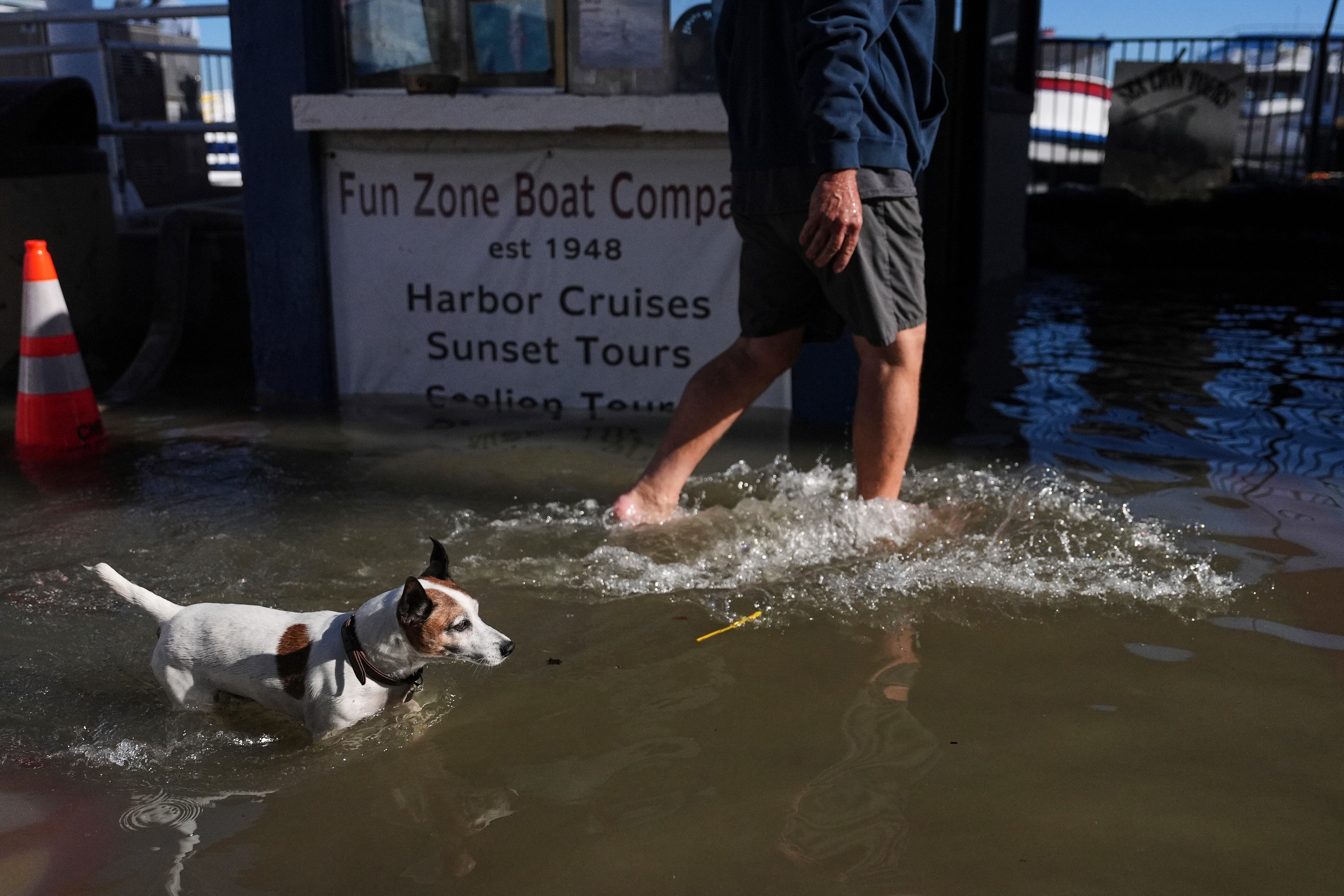
The Most Dangerous Tides May Still Be Ahead
California's next major astronomical high-tide periods are expected around Thanksgiving and Christmas, when the gravitational influences of the sun and moon will combine to produce especially high tides. Kittell said the astronomical contribution to water levels during those periods is expected to be greater than it was this week. Whether the ocean actually rises higher, however, is another question.
"The big question is, what are the water temperatures going to be a month or two away?" he said.
Although El Niño-related temperature effects often diminish as winter progresses, Kittell said it remains uncertain how quickly the unusually warm coastal waters will cool. That means higher astronomical tides could produce new records, but they are not guaranteed to do so. The more dangerous possibility is that those tides coincide with powerful winter surf or a Pacific storm.
"That would be the worst-case scenario," Kittell said.
When exceptionally high tides occur without large waves, flooding tends to concentrate around harbors, low-lying waterfront developments, and other areas vulnerable to rising water. Add powerful surf, however, and the potential damage can extend to exposed beaches, coastal roads, homes and beachfront tourist towns.
"When we get high tides plus large waves, that's when we get the really big damage type stuff," Kittell said.
The timing of those conditions will be crucial, and forecasters cannot yet determine whether major wave events will coincide with the late November and December tide peaks.
Coastal Communities Already Under Threat
Scientists have warned for months that this year's El Niño could expose California's coastline to unusually severe flooding and erosion.
In August, Patch reported that Mark Merrifield, an oceanographer at UC San Diego's Scripps Institution of Oceanography, anticipated exceptionally high coastal sea levels during the developing El Niño.
Merrifield warned that elevated water levels, powerful waves and winter storms could combine to accelerate beach erosion, threaten roads and other infrastructure, and destabilize vulnerable coastal cliffs. Those concerns are already playing out in parts of California.
In Newport Beach, city officials reported unusually high tides and deployed pumps and sandbags to protect low-lying neighborhoods, including Balboa Peninsula and Balboa Island. The National Weather Service issued a coastal flood warning for Orange and San Diego counties through 1 p.m. Thursday, warning that significant flooding could inundate homes, businesses, roads and some critical infrastructure.
Farther north, a coastal flood advisory for Los Angeles, Ventura, Santa Barbara and San Luis Obispo counties warned of minor to moderate flooding, beach erosion and possible isolated damage to vulnerable structures through Thursday afternoon. Around San Francisco Bay and Monterey Bay, the National Weather Service extended its coastal flood advisory into Saturday, warning of flooding in low-lying areas, possible road closures and coastal erosion.
Residents in flood-prone coastal neighborhoods are urged to protect vulnerable property, avoid flooded roads and monitor local weather alerts. For Kittell, one of the most remarkable aspects of the current event is how dramatically observed water levels have exceeded normal astronomical predictions.
Looking back over more than a century of tide measurements, he said the past month or two have stood out even compared with previous strong El Niño events.
"It's pretty unprecedented," Kittell said.
And with the winter's highest predicted astronomical tides still to come, California's coastline faces an unsettling question: What happens if powerful winter waves arrive when the ocean is already this high?
Related:
- Flooding, Undercut Cliffs Likely As CA Is Lashed With 'Highest Sea Levels Ever' This Winter
- Redondo Beach Bar Flooded By Seawater As High Tides Batter Waterfront: Report
- New Storm Threatens Flooding Along Southern California's Battered Coast
More California News:
- Ex-SF Officer Turned In By Fiancée Over Child Sex Abuse Images Avoids Prison: Report
- 'A Perfect Storm': 5 Things To Know About The PCH Crack Repair Work
- Flooding In Orange County Prompts Closures, Swamped Streets During King Tides
- Serial Peeper Charged After Looking In Woman's Window: LA Police
- Is Your Child Brushing With Recalled Toothpaste? 4.3 Million Tubes Affected, What CA Shoppers Should Know
Get more local news delivered straight to your inbox. Sign up for free Patch newsletters and alerts.