Home & Garden
How Germophobes are Killing San Francisco Bay
If it washes down your drain, it ends up in the Bay.

The scary story from Southern California this week about a superbug that spread at Ronald Reagan UCLA Medical Center may have more people reaching for antibacterial soaps, gels and wipes. But water quality experts want you to resist that urge. The chemicals in those products could have a devastating effect on San Francisco Bay.
The active ingredient in those products—triclosan or triclocarban—washes off your hands, down the drain, and passes into the Bay through discharges from sewage treatment plants. Once in the Bay, it binds to sediment where it can work its way up through the food chain.
Some studies, cited in a report by the San Francisco Estuary Institute (SFEI), found concentrations of these chemicals in fish fillets, as well as human blood and milk.
Find out what's happening in Milpitasfor free with the latest updates from Patch.
The advocacy group Beyond Pesticides notes, “Studies have increasingly linked triclosan (and its chemical cousin triclocarban), to a range of adverse health and environmental effects from skin irritation, endocrine disruption, bacterial and compounded antibiotic resistance, to the contamination of water and its negative impact on fragile aquatic ecosystems.”
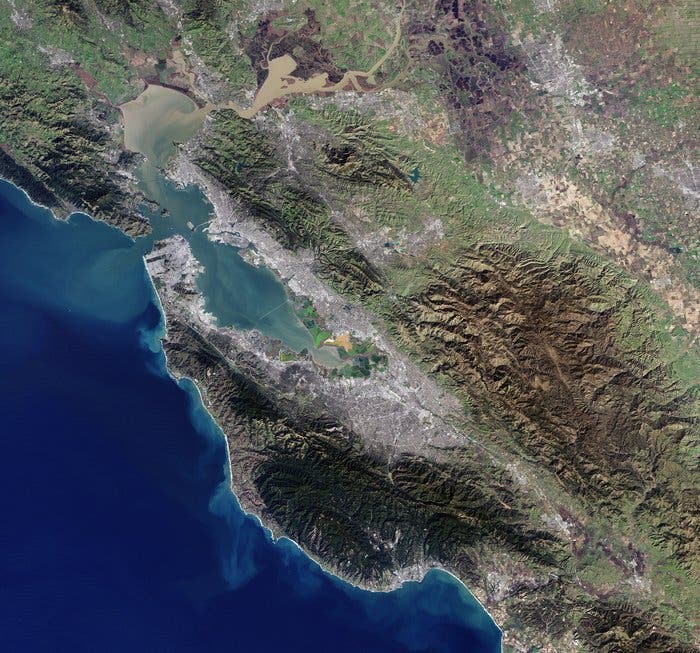
Triclosan and triclocarban have been found in San Francisco Bay sediment. The highest concentrations were found along the Peninsula and South Bay. The SFEI report recommends that a study be conducted on the impact of these chemicals on algae and crustaceans at locations where wastewater pours into the Bay.
Find out what's happening in Milpitasfor free with the latest updates from Patch.
Some manufacturers are phasing out these chemicals, which are also found in household cleaners and other consumer products. Until they are eliminated, consumers can check labels under the heading active ingredients.
Your takeaway—wash your hands with basic soap and water. It’s still the best way to clean your hands. Antibacterial products will not stop superbugs, and could cause lasting harm to the Bay.
Note: Triclosan and triclocarban have high removal rates from water at sewage treatment plants. Depending upon the process, it could exceed 99 percent. However, there is also evidence that the chemicals are altered during the processes, producing waste that could cause cancer or other biologic problems.
Image Credit: European Space Agency
Get more local news delivered straight to your inbox. Sign up for free Patch newsletters and alerts.