Crime & Safety
Scam Makes Heartbroken Parents' Mourning Tougher
A trio police allege were pretending to collect money for a deceased six-year-old with brain cancer was recently arrested in Canoga Park.


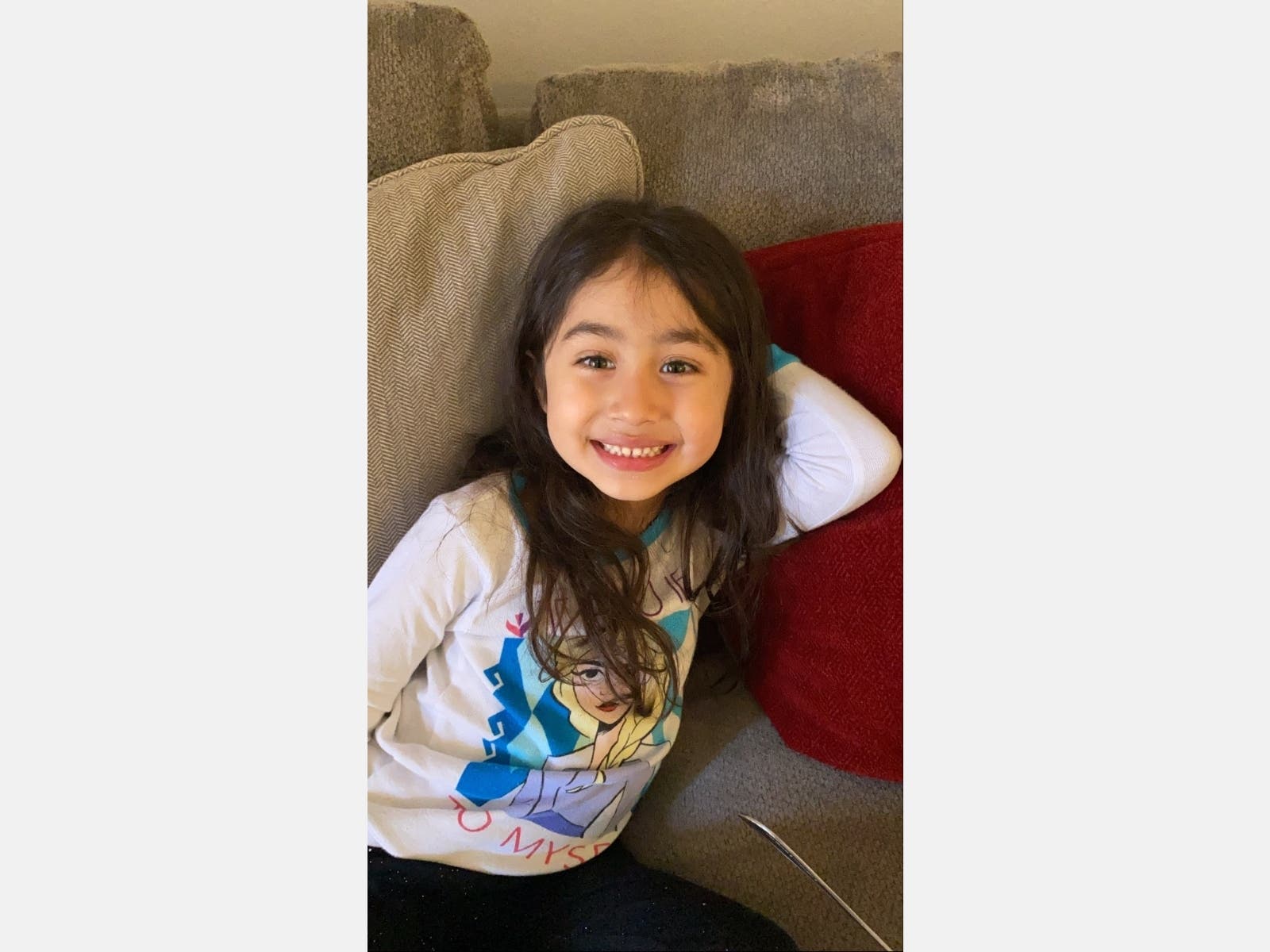

CANOGA PARK, CA — When your six-year-old daughter is dying of brain cancer at the height of the COVID-19 pandemic and you can’t even give her a proper funeral, the last thing you want to think about is scammers trying to profit off your pain.
But Endy and Yvette Lara of Simi Valley soon had no choice. Day after day, one person after another told them on social media that they had seen three people in locations all over the Southland standing next to three water jugs, holding up signs soliciting money for “Eliana,” the name of their daughter.
“We’re already battling a hard battle, and yet you guys want to take innocent peoples’ money?” said Yvette.
Find out what's happening in Northridge-Chatsworthfor free with the latest updates from Patch.
That is exactly what the three suspects – a 20-year-old male, 23-year-old female, and 26-year-old female from Anaheim – were trying to do, according to the LAPD and different eyewitness accounts. Police allege that this group was actually trying to profit off of a different Eliana. By coincidence, there were two different, unrelated GoFundMe accounts for sick girls named Eliana, and the group put on their signs a photo from another account in Germany.
LAPD Topanga Division Senior Lead Officer Sean Dinse, who has been investigating the case, said that Eliana’s parents in Germany wrote to him that: “What I’m concerned is that people that were collecting money for a girl named Eliana have used our pictures from the internet. Our Eliana here in Europe is fine … She had already [gotten] therapy in Germany and she is recovering well. We never advise anybody in USA to collect money for Eliana.”
Find out what's happening in Northridge-Chatsworthfor free with the latest updates from Patch.
Regardless of who was on the signs’ photos, more and more people on social media and online cancer support groups let the Laras know that they had seen the group panhandling in different locations every day in Southern California. Some people posted videos and photos so that people could call the police when they saw them, while others let local police know about the group’s alleged activities.
Eliana Rose Lara passed away on April 15 at the age of six after a ten-month battle with Diffuse Intrinsic Pontine Glioma (DIPG), a form of brain cancer with a one percent survival rate. Not long after a horse-drawn carriage transported her coffin through the streets of Simi Valley, Yvette’s sister Maritza Gallo-Luna and her husband were in Canoga Park to visit their young niece’s grave. Gallo-Luna received a message on Eliana’s Facebook page that the group was just a few blocks away from them, at the corner of Topanga Canyon Boulevard and Roscoe Boulevard. Gallo-Luna and her husband Sergio raced over to see three different people in three different corners of the intersection holding signs that read: “Donation She is Eliana is 2 years old and suffers from the famous malignant tumor.”
Sergio pretended to be an interested donor and asked one of the sign-holders what they were doing. He took a picture of the sign and recorded the interaction, which Maritza sent to her sister. A little while later, when the Gallo-Lunas were waiting in line at a nearby El Pollo Loco drive-thru, they saw police officers arresting the group. Dinse said that they has been charged with fraud, and the signs and $207 they managed to raise have been collected as evidence.
Even though this current group has been arrested, Lara said that she continues to hear about instances of fraudulent childhood cancer fundraising.
After almost a year of emotional and financial struggle, the Laras hope that Eliana’s story can serve as an inspiration to fight hard for a cure, especially a time when researchers are devoting most of their efforts to COVID-19.
“[Another family whose child died from DPIG] wanted to donate their child’s brain for research…and the hospital said, ‘No, we can’t take it, because all the labs are trying to find a cure for COVID-19, so all this stuff is put on hold’ and I said ‘Wow, you really just told someone no, you can’t donate your child’s brain?” said Lara, who noted that May is Brain Cancer Awareness Month.
“If we can bring any good out of our daughter’s passing, it would be that for one day that if your child gets diagnosed with whatever, they have a chance to fight.”
Get more local news delivered straight to your inbox. Sign up for free Patch newsletters and alerts.