Health & Fitness
It's Hard Work Being Poor in Kenya - Part 1
Living in rural Kenya I saw how difficult even the most mundane of tasks could be. It challenged many of my long held beliefs and perceptions, including the nature of poverty and being "poor."
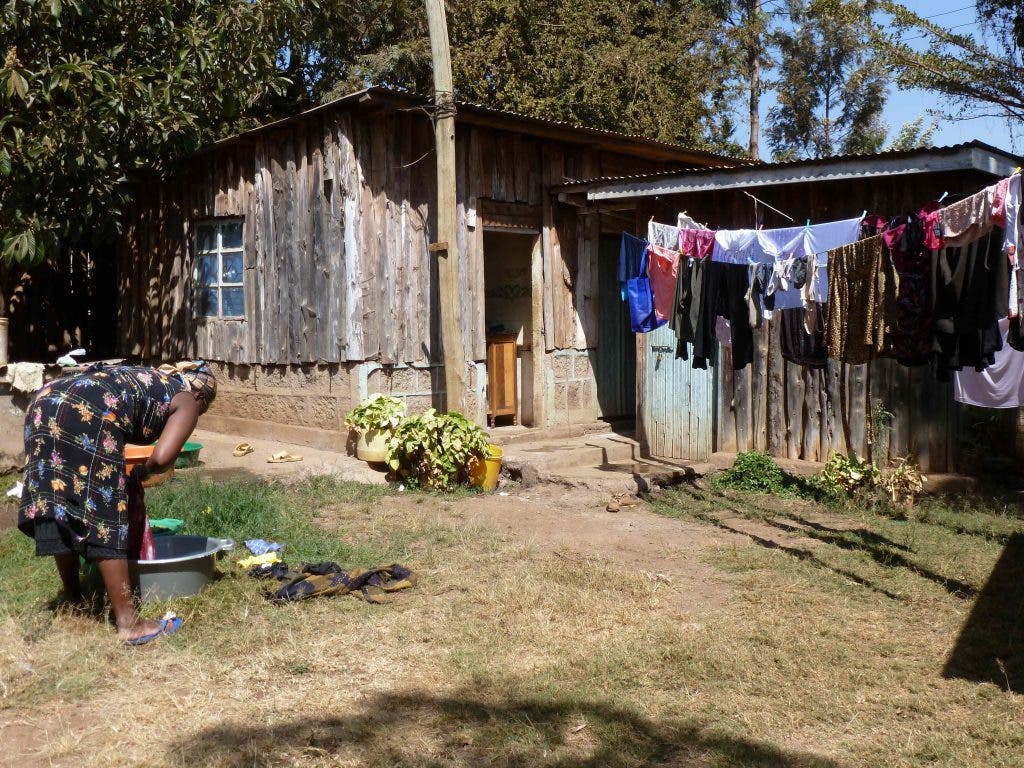


In and around Loitokitok, where subsistence and pastoral farming are the primary means of livelihood, residents arise with the roosters before dawn to start the long day of cooking, cleaning, washing, and working. Of the “home-stay” homes where Trainees live for their 10 weeks of Pre-service Training, only about 50% have electricity, and power outages are frequent. Conveniences such as refrigeration, running water, and flush toilets are almost non-existent. Most meals – usually some combination of raw vegetables like maize, kale, cabbage, rice, potatoes, carrots, onions and beans of every color, size, and variety – are prepared (i.e., boiled) fresh daily on small charcoal burning jikos or, in wealthier households, sometimes also on a wood burning outdoor firepit.
Clothes and bedding are hand-washed in buckets (think it’s easy? Try washing jeans or your bedspread in a spaghetti-pot sized basin) and hung outside to dry, assuming it's not one of the two long and dismal rainy seasons. Then those same buckets are used again (with more water heated on the tiny jiko) for bathing, which typically occurs in an unheated bathing stall next to the squat toilet (choo) just outside. The water used for cooking, cleaning and bathing must vie for space on those same little jikos, so it’s a difficult, time consuming process of juggling pots and needs. And this assumes you have the water readily available, either delivered by donkeys in 10 gallon type yellow jugs or, if you are lucky, in nearby well or water hole.
Add to all these human-energy consuming chores (all of which we take for granted here in the U.S. with machines) the several kilometers walk through ankle-deep dust on the mainly dirt roads to work in the village center, the average 9 to 10-hour workday shift, and the long walk home (usually balancing a heavy basket of vegetables on your head if you’re a woman) before the fading light throws everything into pitch blackness, and it’s no wonder villagers fall into bed exhausted every night. I sure did.