Community Corner
Wind to Wine: the #Petaluma Gap story
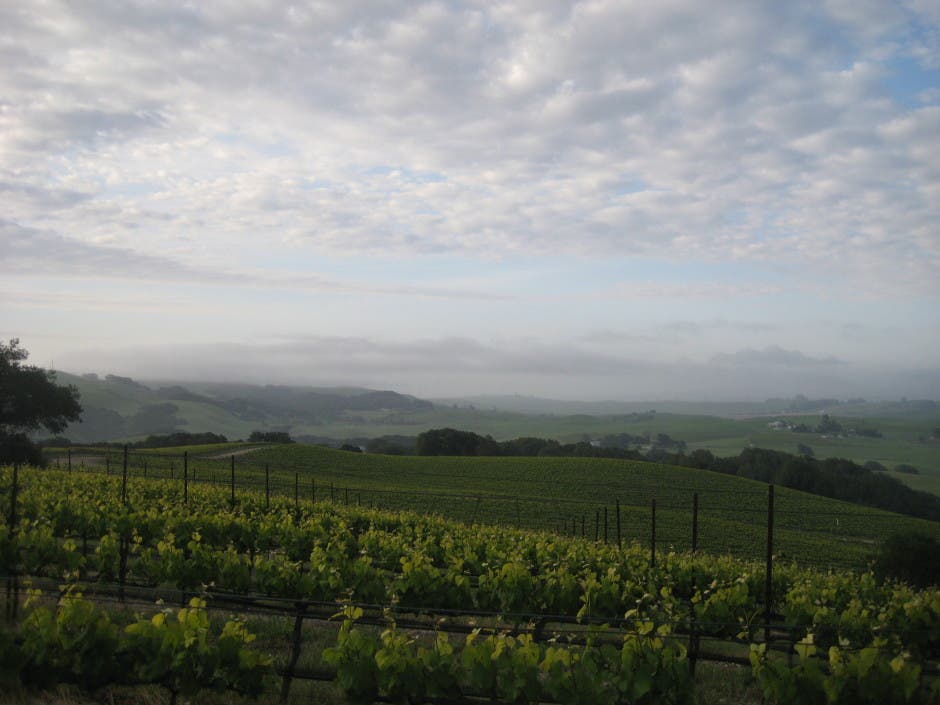
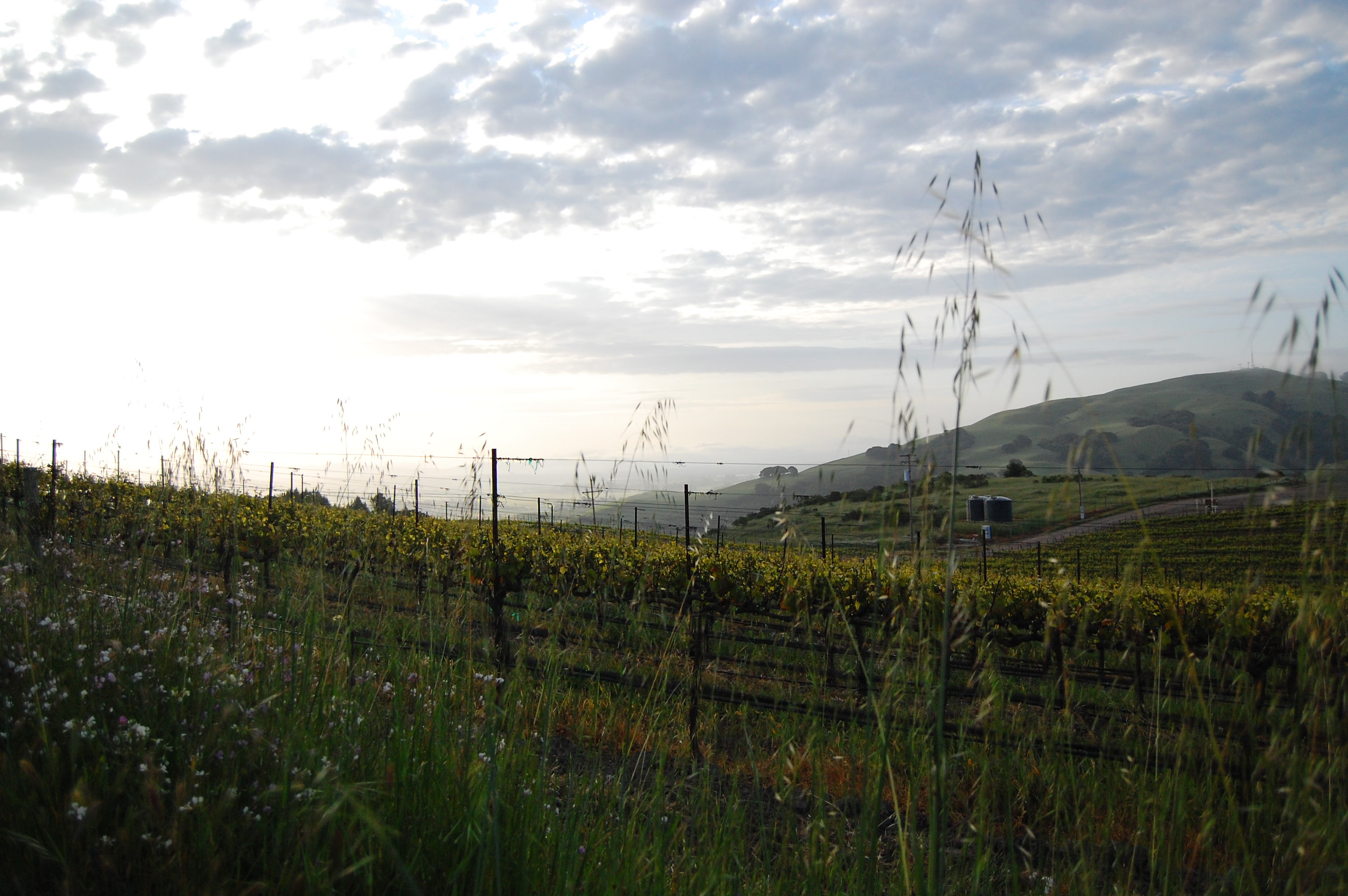
The Petaluma Gap stretches beyond the Sonoma County borders and there are about 80 vineyards spanning over 4,000 acres.

By Sherrie Perkovich, Positively Petaluma Wine Contributor
California wine country is as beautiful as it is vast. From the northern reaches of Mendocino County to the southern stretches of San Diego, we know wine here. One of the largest growing regions in California is Sonoma County (which far out produces Napa Valley), and nestled inside of Sonoma County is the Sonoma Coast AVA (American Viticultural Area). Upon further dissection of the Sonoma Coast, you will find dozens of sub regions that further define the cool climate of the Sonoma Coast.
Find out what's happening in Petalumafor free with the latest updates from Patch.
The wind howls as evening begins to fall upon you. The hairs begin to stand up on the back of your neck. The only sound that can be heard is the constant roar of the ocean wind billowing in hard from the west.
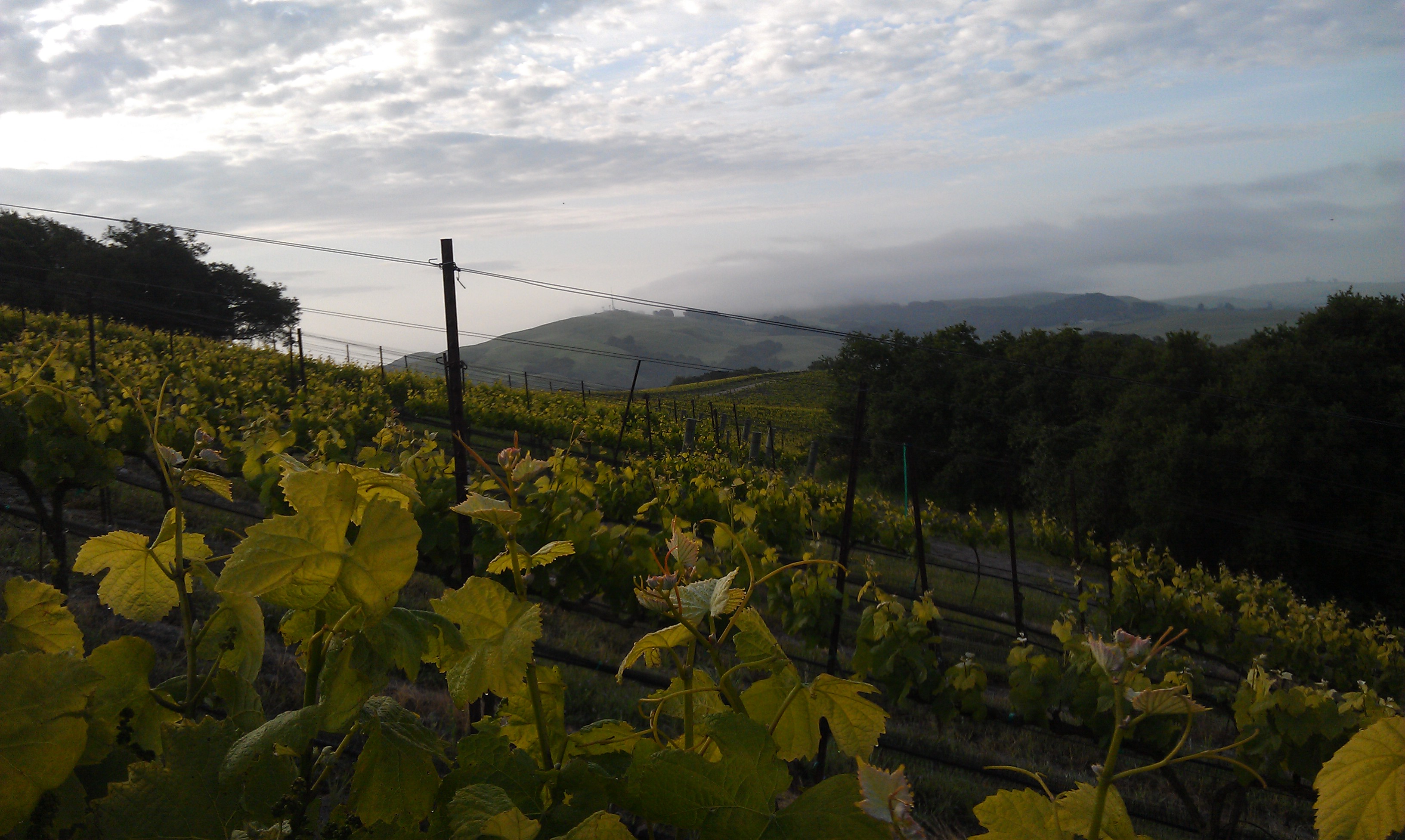
This isn’t the beginning to a horror story or epic thriller. It is a description of one of the Sonoma Coast’s sub regions: the blustery Petaluma Gap. The Petaluma Gap is defined by the wind. With the highest average wind speeds in all of Sonoma County, the wind dictates the boundaries of this region.
Find out what's happening in Petalumafor free with the latest updates from Patch.
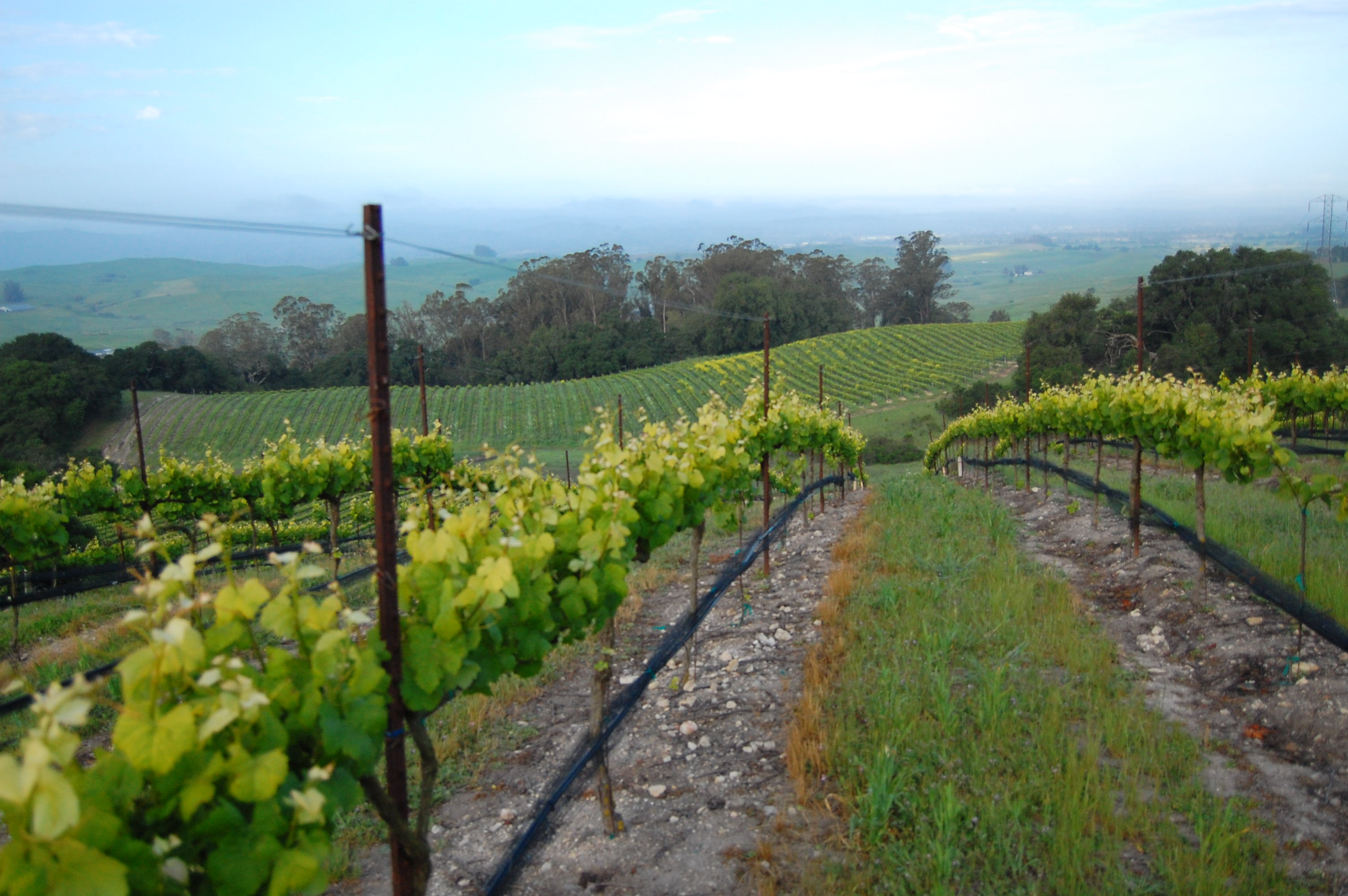
So why the strong wind? The Petaluma Gap is truly a wind gap that is named for a coastal mountain opening that stretches east from the Pacific Ocean through the town of Petaluma and roars southeast towards the San Francisco Bay. Mountains and rolling hills on either side of the lower flats, combined with excessive heat in the surrounding valleys create the perfect conditions to form this excessive wind tunnel. Most of the vineyards in this region face west, taking the full brunt of the 20+ mile an hour winds.
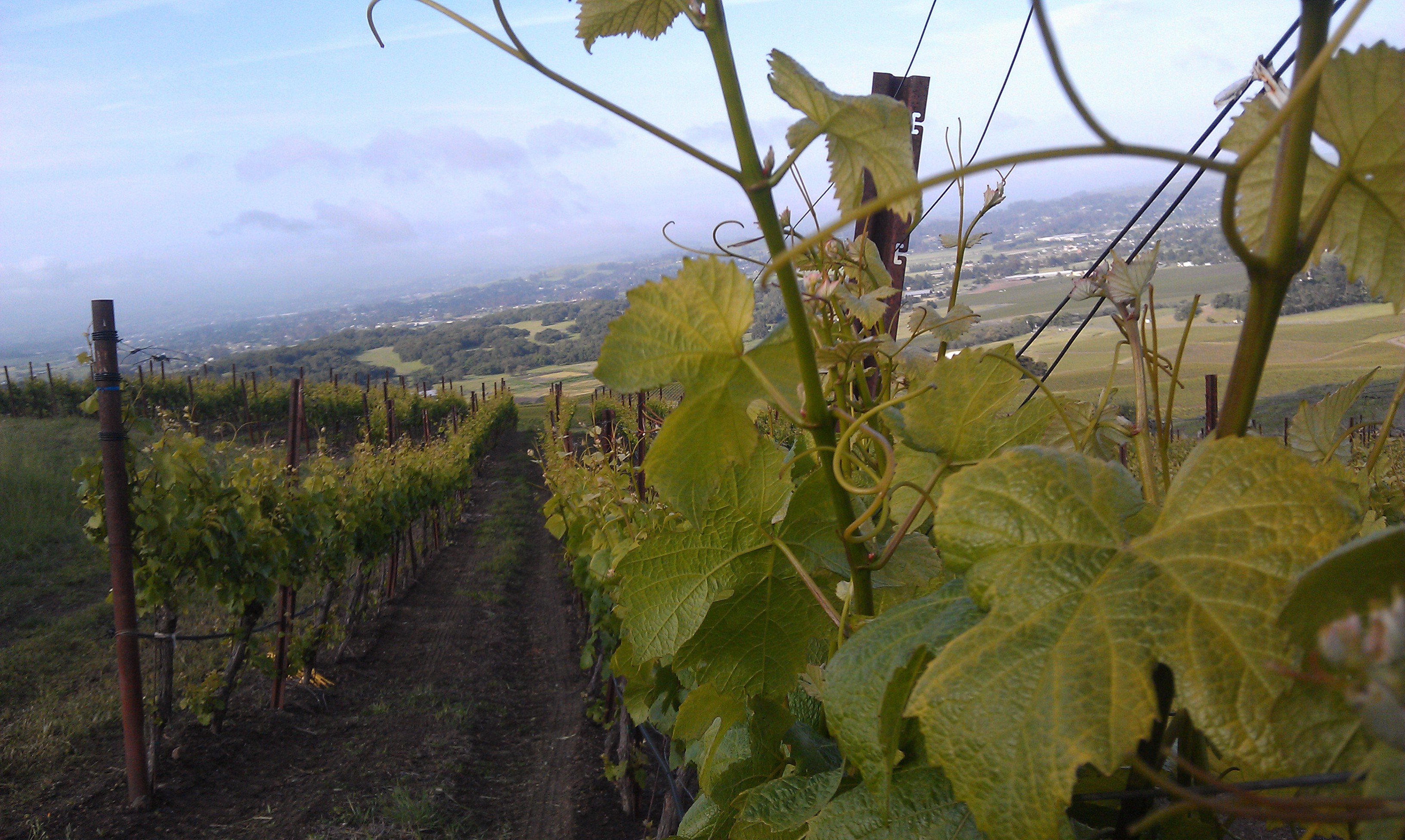
The regular high afternoon winds result in lower yields with grapes that reach ripeness at lower sugar levels. This helps develop wonderful flavors and fruit characteristics while maintaining ideal levels of acidity.
But what truly defines each wine-growing region is the terroir. Terroir is a combination of weather, soil and terrain. The Gap has a combination of rolling hills, mountains and valleys. This combination makes for an interesting soil composition. In the valleys and hills you will find clay and loam soils, and in the mountains you will find hard rocky soils.
Click here to see Petaluma GAPs top vineyards AND announcement of the Petaluma GAP Wind Wine Festival.
You made these posts popular this week:
![Quasi-Modo-Winner-of-2015-Worlds-Ugliest]() Breaking News: Quasi Modo winner of the World’s Ugliest Dog Contest!
Breaking News: Quasi Modo winner of the World’s Ugliest Dog Contest!![Golden-Hearts-Award.jpg?resize=40%2C40]() #Petaluma Becomes First City in Sonoma County to Earn “HeartSafe Community” Designation
#Petaluma Becomes First City in Sonoma County to Earn “HeartSafe Community” Designation![Helen-Putnam-Fourth-Of-July-Bell-Ringing]() Lest We Forget - Helen Putnam’s Petaluma’s 4th of July Tradition
Lest We Forget - Helen Putnam’s Petaluma’s 4th of July Tradition![Petaluma-Gap3.jpg?resize=40%2C40]() Wind to Wine: the #Petaluma Gap story
Wind to Wine: the #Petaluma Gap story![Secret-Kitchen11.jpg?resize=40%2C40]() Petaluma Eats! at Secret Kitchen
Petaluma Eats! at Secret Kitchen![willcookformoney.jpg?resize=40%2C40]() Bellyfull’s CEO Kelly O’Grady Is Her First Best Customer
Bellyfull’s CEO Kelly O’Grady Is Her First Best Customer