Community Corner
A Critically Endangered Wolf Species Is Mounting A Wild Comeback
"This is really huge for this subspecies," Tina Hunter Burnam, San Francisco Zoo's Curator of Carnivores, said.


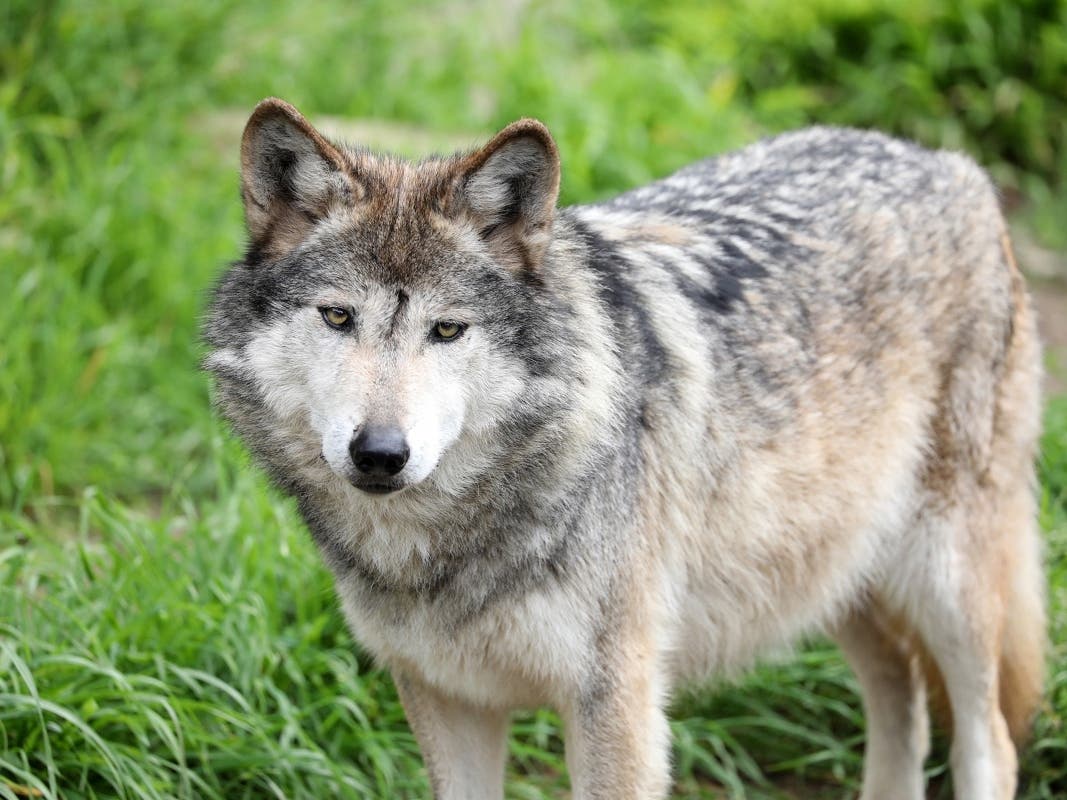
SAN FRANCISCO, CA — For the last eight years, a group of Mexican gray wolves, a critically endangered species, has called the San Francisco Zoo home.
Now, one of those wolves is being transferred to a conservation center in New Mexico for breeding, where its pups will eventually be released into the wild, according to zoo officials.
"This is really huge for this subspecies," Tina Hunter Burnam, San Francisco Zoo's Curator of Carnivores. "By breeding Alpha, her pups would eventually be released into the Mexican Wolf Recovery Area, essentially, contributing to the wild population and the re-establishment of this rare subspecies."
Find out what's happening in San Franciscofor free with the latest updates from Patch.
"Alpha" was one of four Mexican gray wolf pups born at the San Francisco Zoo in 2018 to three senior wolves already in the program, officials said.
The program at the zoo keeps the gray wolves "wild. This, according to zoo officials, means the wolves are not trained or interact with staff in the same way as the other zoo animals. This helps with release effort, zoo officials said.
Find out what's happening in San Franciscofor free with the latest updates from Patch.
A viable male wolf was found for Alpha, who will repopulate the subspecies, zoo officials said.
When her pups are born, they'll be placed with one of the wild packs and released into the Mexican Wolf Experimental Population Area, a piece of land located in Arizona and managed by the U.S. Fish and Wildlife Service, officials said.
There are currently about 286 Mexican gray wolves in the wild thanks to efforts by wildlife experts to keep the species alive. Another 380 live in captivity, including those at the San Francisco Zoo, according to wildlife officials.
The wolf subspecies were once prominent across the Southwestern United States and Mexico before livestock ranchers in the 70s began hunting, trapping and poisoning them, according to SF Zoo officials.
By 1976, the Mexican gray wolf was considered an endangered species. At some point, only seven wolves were left, putting them at risk of extinction, wildlife officials said.
Zoos took those seven wolves in and bred them. The group had 11 pups, which were placed in a small protected pocket in Arizona and New Mexico, officials said.
Since then, the population has been slowly increasing, officials said.
"I am very excited to be part of the bigger picture with this program," Hunter Burnam, who serves as a member of the Canid and Hyenid Taxon Advisory Group Steering Committee, said. "This is one of the reasons I got into this field 35 years ago."
Get more local news delivered straight to your inbox. Sign up for free Patch newsletters and alerts.