Community Corner
Medical Respite Center For Homeless Expands
The center provides care for San Francisco's homeless.
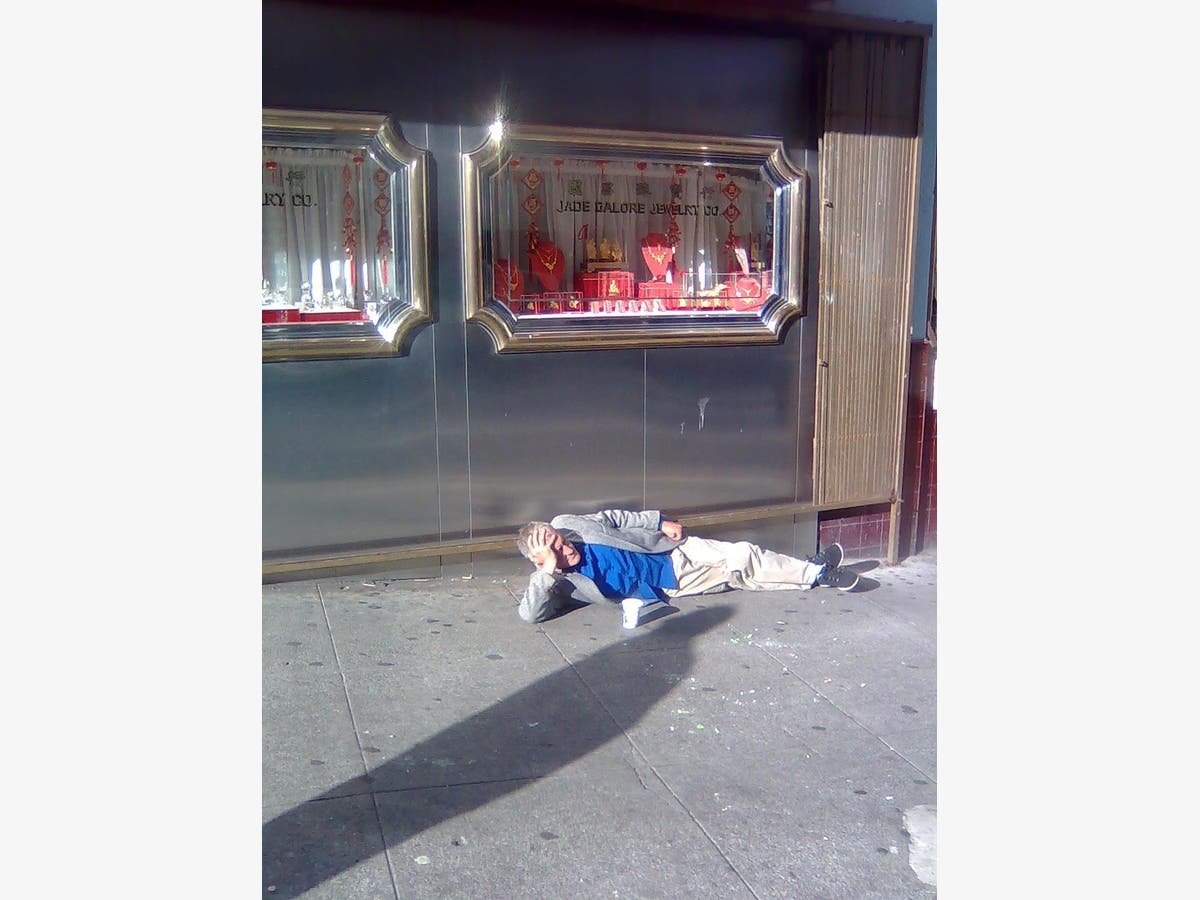
SAN FRANCISCO, CA — San Francisco officials celebrated the expansion of a South of Market Street facility Monday that provides beds and extra support for homeless residents with medical issues.
The Medical Respite and Sobering Center at 1171 Mission St. has since 2007 offered beds for homeless residents being discharged from the hospital who need a place to recuperate.
After a $3.78 million expansion in May, however, the facility has gone from 45 beds to 75, while the sobering center on site is at 12 beds.
Find out what's happening in San Franciscofor free with the latest updates from Patch.
Thirty new beds next door at 1179 Mission St. will be reserved for homeless residents in the shelter system with medical needs beyond what shelter nurses can provide. Clients get access to beds in a dormitory
setting, group meals, bathing and laundry facilities, nursing care and various social services and supports including assistance in obtaining housing.
Supervisor Jane Kim said she had pushed for the expanded respite center in her district after spending time in city shelters, where she saw how many homeless residents were aging and in need of medical care.
Find out what's happening in San Franciscofor free with the latest updates from Patch.
"Homelessness is not just a poverty issues, it's a public health issue," Kim said. "What we are seeing today is so many of our brothers and sisters aging in place on the streets."
Acting Mayor London Breed said the city's most vulnerable residents urgently need medical care and a safe space when they are injured or ill.
"When we are in the same situation, we often stay at home to heal," Breed said. "This medical respite center is going to provide people with the same thing, a place to rest and heal."
The medical respite center has over the past 10 years served around 3,000 homeless clients who have just been released from hospital care.
The new beds have so far served 39 residents referred from shelters. Of those served, 47 percent were white, 42 percent were black and the average age was 55, officials said.
Clients have suffered from issues ranging from a cancer diagnosis to heart problems, wounds, kidney disease, and some have chronic illnesses and cognitive or functional impairments that make it difficult to function in
a shelter setting.
— Bay City News; Image by Kemeki via morguefile