Business & Tech
Twitter Adopts 'Poison Pill' Defense In Musk Takeover Bid
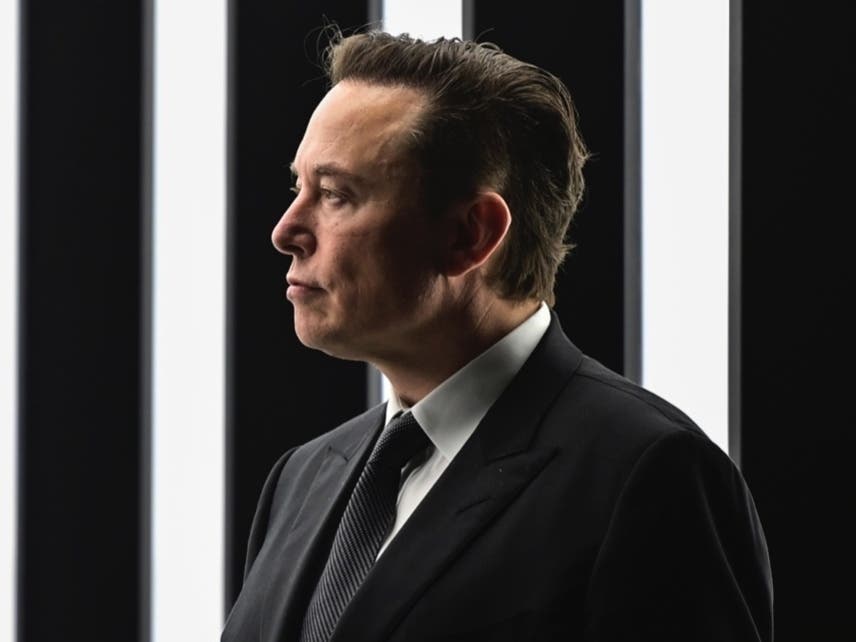
Twitter said its board of directors has unanimously adopted a "poison pill" defense in response to Tesla CEO Elon Musk's proposal.

By MATT O'BRIEN, Associated Press
SAN FRANCISCO, CA (AP) — Twitter said Friday that its board of directors has unanimously adopted a “poison pill” defense in response to Tesla CEO Elon Musk’s proposal to buy the company and take it private.
The move would allow existing Twitter shareholders to buy additional shares at a discount, thereby diluting Musk's stake in the company and making it harder for him to corral a majority of shareholder votes in favor of the acquisition.
Find out what's happening in San Franciscofor free with the latest updates from Patch.
Twitter’s plan would take effect if Musk’s roughly 9% stake grows to 15% or more.
Twitter said the poison pill would enable its investors to “realize the full value of their investment” by reducing the likelihood that any one person can gain control of the company without either paying shareholders a premium or giving the board more time to evaluate their offer. Such defenses, formally called shareholder rights plans, are used to prevent the takeover of a corporation by making any acquisition prohibitively expensive for the bidder.
Find out what's happening in San Franciscofor free with the latest updates from Patch.
Even if it discourages his takeover attempt, Musk could still take over the company by waging a "proxy fight" in which shareholders vote to retain or dismiss the company's current directors. Twitter said the plan doesn’t prevent the board from engaging with parties or accepting an acquisition proposal if it’s in the company’s best interests.
“They’re gearing up for a battle here with Musk," said Daniel Ives, an analyst for Wedbush Securities. “They also have to give themselves time to try to find another potential buyer."
Twitter revealed in a securities filing Thursday that Musk offered to buy the company outright for more than $43 billion, saying the social media platform “needs to be transformed as a private company” in order to build trust with its users.
“I believe free speech is a societal imperative for a functioning democracy,” Musk said in the filing. “I now realize the company will neither thrive nor serve this societal imperative in its current form.”
Later on Thursday, during an onstage interview at a TED event, he went even broader: “Having a public platform that is maximally trusted and broadly inclusive is extremely important to the future of civilization.”
Musk revealed in regulatory filings over recent weeks that he’d been buying Twitter shares in almost daily batches starting Jan. 31, ending up with a stake of about 9%. Only Vanguard Group controls more Twitter shares. A lawsuit filed Tuesday in New York federal court alleged that Musk illegally delayed disclosing his stake in the social media company so he could buy more shares at lower prices.
After Musk announced his stake, Twitter quickly offered him a seat on its board on the condition that he would limit his purchases to no more than 14.9% of the company’s outstanding stock. But the company said five days later that Musk had declined.
Ives said Twitter's poison pill path is a predictable defensive maneuver but could be seen as a “sign of weakness” on Wall Street.