Community Corner
The ABCs of Cannabis Cultivation: Gardening Tips for Growing Medical Marijuana
It's time for medical cannabis users to start planting their outdoor gardens. Here's a quick guide to getting started.
For those of us fortunate enough to be living here in Santa Cruz, where medical cannabis is enthusiastically supported by the community, now is the time to start your outdoor cannabis gardens. Growing lushly-flowered cannabis, rich with flavorful cannabinoids, is both a learned skill and a cherished art.
Like sophisticated wine makers, connoisseur cannabis growers have developed personal gardening techniques that make their herbal product unique, and because more people are growing cannabis now than ever before our botanical knowledge about this popular plant is simply exploding. Many volumes have been written on this subject, so I’ll only be able to provide the basics here, along with a few special tips from a master grower.
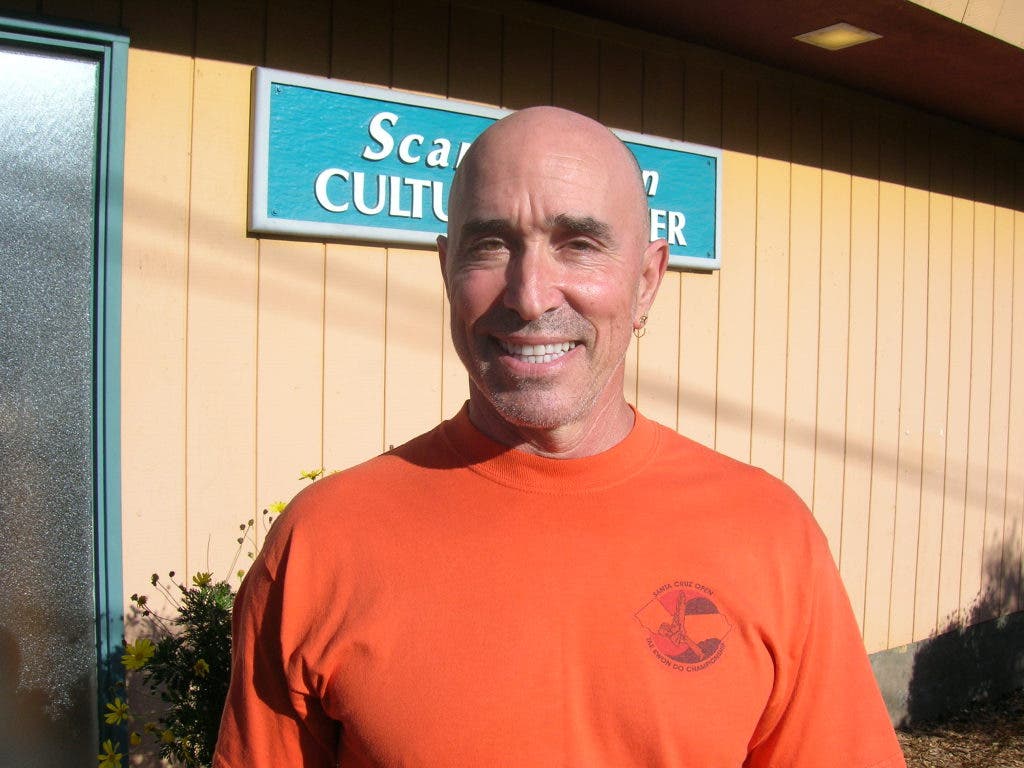
Mike Corral, the Agricultural Director for the Wo/Men’s Alliance for Medical Marijuana (WAMM) told me,“I think that the most important thing to know about growing cannabis is that its not as difficult as most people think, but it does require attention.”
Find out what's happening in Santa Cruzfor free with the latest updates from Patch.
For outdoor gardens, cannabis seeds should optimally be planted in late March, but now is not too late. The most important criteria for creating a bountiful garden are quality seeds, fertile soil, available water, adequate sunlight, and good camouflage.
Start with the best quality seeds, from those plants that you’ve personally found to be the most beneficial. Germinating the seeds prior to planting them in the ground generally gives a much higher success rate than placing the seeds directly into the soil. Some people soak the seeds in a wet paper towel, which can dry out, so Corral suggests, “floating the seeds in a bowl of water until they germinate.”
Find out what's happening in Santa Cruzfor free with the latest updates from Patch.
The soil needs to have good drainage, and the plants need a minimum of five hours of direct sunlight a day. Corral recommends Fox Farm Ocean Forest soil, which is available at most garden centers for around $15 a bag. Too much water or fertilizer, or too little water or fertilizer, can hurt your plants, so finding the proper balance is essential.
“Generally, I water them twice a week and fertilize them once a week,” said Corral.
In most places camouflage is important, because the plant is easily spotted, and it can attract unwanted attention and theft.
Corral said, “Look at your surroundings. If your next store neighbor has two teenage boys, then you might want make sure that your camouflage is better than average (although I know that not all teenage boys steal pot). You can plant it among other shrubs in a regular vegetable garden, and you can hide it amongst tomatoes pretty well. It’s a soft plant, so you can twist, bend, or turn it in any direction that you want. The only thing you’re not going to be able to easily hide is the fragrance coming from the plant. A lot of people will smell that and they’ll make a beeline to it. The best method for hiding your marijuana is simply not to tell anybody about it.”
According to Corral, dealing with insect pests isn’t usually a problem when you organically grow outdoors here, but larger pests can sometimes be. “The biggest problem that we have growing outdoors is mammals. If you’re planting in the ground, then rats, rabbits, chipmunks, and gophers can damage your crop. You can put wire fencing around your plants to keep them out. We also make a gopher exclusion basket out of wire, put that in the ground, and then plant the root ball in that.”
Because of our elevation, and how close we are to the ocean, fungus can be a problem. Corral said, “At 500 feet elevations or lower--you’re in the fog belt. There’s always ocean moisture here, so molds and fungus can be a big problem. This can be controlled by the amount of water that you put on the plant. I never put moisture on the leaves.”
Learning how to sex your plants is vital, Corral said, because the pollen-starved female flowers produce the most abundant psychoactive and medicinal cannabinoids.
“If you’re starting from seed, learn how to sex your plants early. Then you can kill your males and put more energy into the females. This way you won’t have to waste your time or fertilizer growing a male. That will also save space and a lot of labor,” he said.
Corral also stressed how important choosing the proper time to harvest a mature plant is.
“You don’t want to harvest too early or too late. If you wait too long, you’ll have leaf growing in your buds, and the plants will start to revert to vegetative growth. Also, the THC begins to break down once the plant hits peak maturity. Conversely, you don’t want harvest too early. The plants have been known to double their weight and potency in just the last two to three weeks of growth, as the THC and other cannabinoids become mature in them, and they do their final push for full maturity,” he said.
To learn how to properly identify male and female plants, as well as mature plants, and to learn more about growing cannabis in general, Corral recommend Jorge Cervantes’s books and DVDs as the best. To find out more about Cervantes’s work see: www.marijuanagrowing.com
One final tip from Corral: “About two weeks prior to harvest, only use pure water. If there’s any residual flavors left over from the fertilizers, the pure water will help to flush away any odors or tastes, and leave only the plant tastes.”
If you’re suffering from a medical illness that is helped by marijuana, and want to learn more about cannabis cultivation, consider joining WAMM, where members work together in a community garden to grow and produce their own medicine.
To find out more about WAMM see: www.wamm.org
Thank you so much to everyone who voted for me as the “Best Writer” in the annual Good Times “Best of Santa Cruz” poll! www.gtweekly.com/good-times-cover-stories/2433-best-professionals-2011.html