Community Corner
Rattlesnake Bites More Common Amid Warmer RivCo Weather: What To Know
The rattlesnakes have arrived with the warm days, and folks need to keep a careful eye when out and about in nature, experts say.


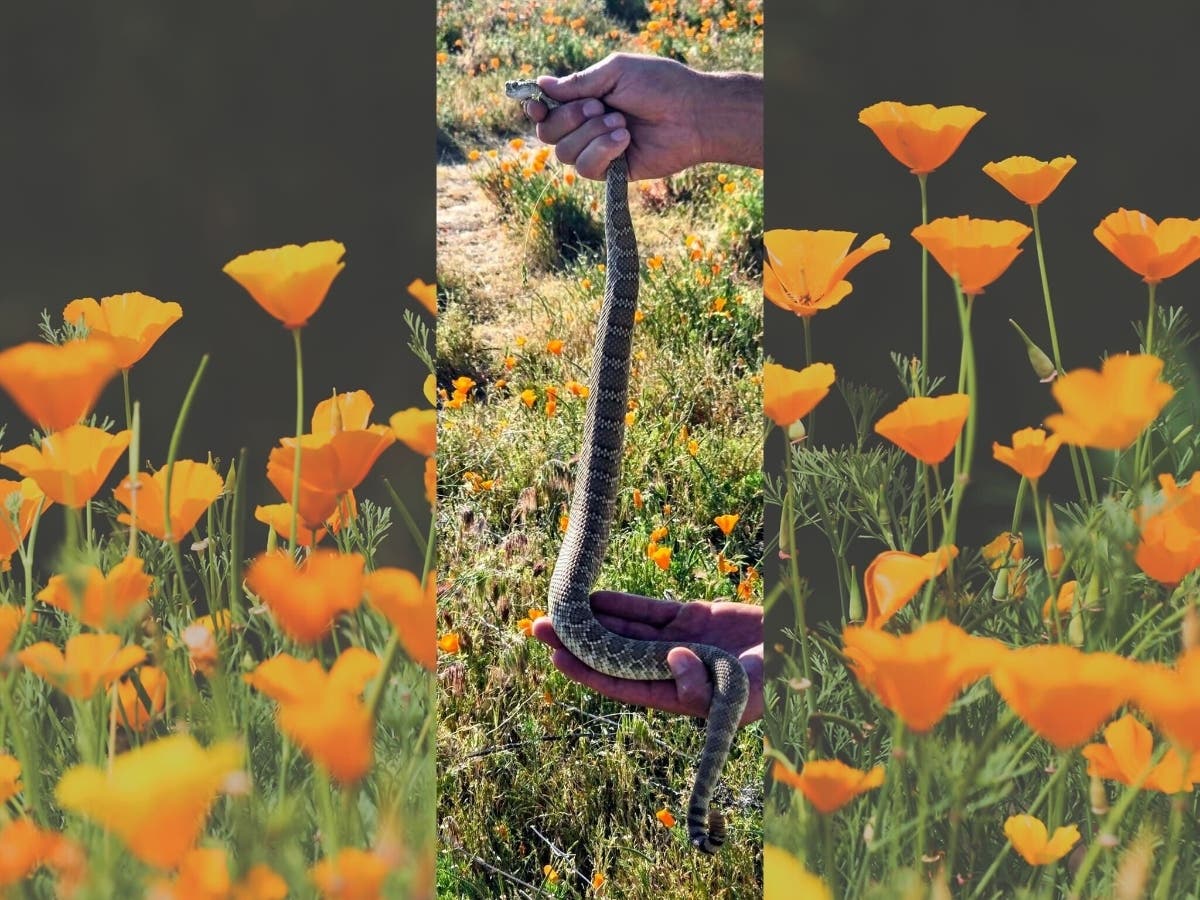
RIVERSIDE COUNTY, CA — Summer-like Spring is here, and with it, rattlesnakes have emerged from their lairs throughout the Inland Empire.
On Wednesday, the U.S. National Forest rangers in the San Bernardino National Forest and other areas reminded hikers and other outdoor enthusiasts to be extra careful while navigating trails in the preserve.
"As temperatures rise, rattlesnakes become more active in the forest," according to a U.S. Forest Service statement. "Stay alert, watch where you step and keep pets close."
Find out what's happening in Temeculafor free with the latest updates from Patch.
There have already been reports of snake encounters in Riverside County.
One hiker was bitten by a rattler on a trail north of Moreno Valley near the beginning of the month. That victim was airlifted to a hospital for treatment and survived the venomous snake bite.
Find out what's happening in Temeculafor free with the latest updates from Patch.
"If you encounter a rattlesnake, give it plenty of space and calmly move away," the USFS stated. "Never attempt to touch or disturb wildlife."
Elevated temperatures and sunny conditions routinely draw rattlesnakes out of their winter beds every March and April in the 800,000-acre San Bernardino National Forest, which is split between Riverside and San Bernardino counties, and other locations.
The snakes can use their full length — sometimes over five feet — to strike.
Anyone bitten by a rattler should not move, if possible, but stay put and apply a tourniquet to the wound. If a trekker is in an area with cell phone reception, rangers advise calling 911 immediately and providing the best possible description of their location to aid emergency services.
If first responders cannot arrive within a reasonable time, the patient or a fellow hiker may need to initiate emergency life-saving treatment.
Additional information is available at http://www.fs.usda.gov/visit/know-before-you-go/snakes:
USFS Teaches How to avoid snake bites:
- Leave snakes alone. Do not handle, tease or harass them.
- Keep a distance of at least six feet between you and the snake.
- Stay on trails and watch where you place your hands and feet, especially when climbing or stepping over fences, large rocks and logs or when collecting firewood.
- Stay away from tall grass and piles of leaves.
- Avoid climbing on rocks or piles of wood where a snake may be hiding.
- Wear long pants and proper foot gear, especially at night.
Signs or symptoms from a snake bite may include:
![smooth green snake]() A pair of puncture marks at the wound
A pair of puncture marks at the wound- Redness and swelling around the bite
- Severe pain at the site of the bite
- Nausea and vomiting
- Labored breathing (in extreme cases, breathing may stop altogether)
- Disturbed vision
- Increased salivation and sweating
- Numbness or tingling around your face and/or limbs
 A pair of puncture marks at the wound
How to treat snake bites:
- Call 911 and seek medical attention immediately.
- Keep the snake bite victim still, as movement helps the venom spread through the body.
- Keep the injured body part motionless and just lower than heart level.
- Keep the victim warm, calm and at rest.
- Do not allow the person to eat or drink anything.
- Cover the bite with a clean, dry dressing.
Do NOT do any of the following:
- Wait for symptoms to appear if bitten, seek immediate medical attention.
- Apply a tourniquet.
- Slash the wound with a knife.
- Suck out the venom.
- Apply ice or immerse the wound in water.
- Drink alcohol as a painkiller.
- Drink caffeinated beverages.
Get more local news delivered straight to your inbox. Sign up for free Patch newsletters and alerts.