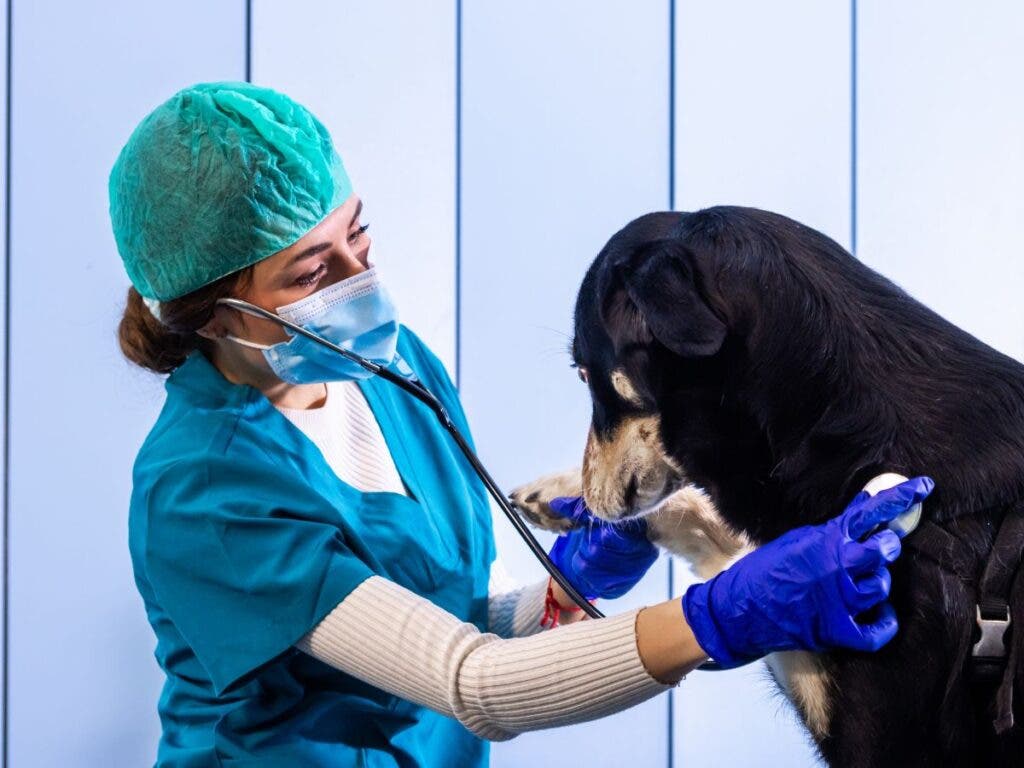
Veterinary professionals dedicate their careers to caring for animals, often working long hours in emotionally demanding environments. While the profession is deeply meaningful, it also comes with significant psychological strain that is frequently overlooked.
Veterinarians face a unique combination of stressors that can build over time and impact emotional wellbeing. These challenges include exposure to animal suffering, difficult end-of-life decisions, financial pressure from clients, and the emotional toll of constant caregiving responsibilities. Without proper support, these experiences can lead to burnout, anxiety, and emotional exhaustion.
The Emotional Weight of Veterinary Work
Unlike many other medical professions, veterinary care involves frequent exposure to loss and grief. Making euthanasia decisions, especially when pets are beloved family members, can create long-term emotional stress. Many veterinarians also experience moral distress when financial limitations prevent optimal treatment options for animals in need.
Over time, these repeated experiences can lead to compassion fatigue, a condition where emotional energy becomes depleted. Professionals may begin to feel detached, overwhelmed, or emotionally numb as a protective response.
Common mental health concerns among veterinarians include:
- Chronic stress and burnout
- Anxiety and depression
- Compassion fatigue
- Sleep disturbances
- Emotional exhaustion
- Trauma-related symptoms from repeated exposure to distressing cases
These challenges are not signs of weakness—they are the result of sustained emotional pressure in a demanding field.
Why Veterinarians Often Don’t Seek Help
Despite high levels of stress, many veterinary professionals hesitate to seek mental health support. Stigma within the profession, combined with demanding schedules and a culture of resilience, can make it difficult to prioritize personal wellbeing.
Some may also feel pressure to appear strong for clients and colleagues, leading to internalized stress and emotional suppression. Over time, this can increase burnout and reduce job satisfaction.
The Importance of Specialized Mental Health Treatment
Mental health care for veterinarians must take into account the realities of their work environment. General therapy approaches may not always address the unique emotional challenges of the profession.
Trauma-informed and profession-specific treatment can help veterinarians:
- Process grief and emotional exposure
- Manage chronic stress and burnout
- Develop healthier coping strategies
- Restore emotional balance and resilience
- Prevent long-term psychological fatigue
Treatment Approaches That Support Recovery
Effective mental health programs for veterinarians often include a combination of therapeutic methods, such as:
- Cognitive Behavioral Therapy (CBT) for stress and thought patterns
- Acceptance and Commitment Therapy (ACT) for emotional flexibility
- EMDR therapy for trauma processing
- Mindfulness practices for grounding and stress reduction
- Somatic therapy to address physical stress responses
These approaches help individuals reconnect with emotional stability while building long-term resilience.
Flexible Care for Busy Professionals
Because veterinarians often work irregular or demanding schedules, flexible treatment options are essential. Outpatient programs, including virtual therapy, allow professionals to receive care without stepping away from their responsibilities.
Common levels of care include:
- Intensive outpatient programs (IOP)
- Partial hospitalization programs (PHP)
- Standard outpatient therapy sessions
- Telehealth counseling options
Moving Toward Healing and Balance
Veterinarians play an essential role in both animal health and human emotional support. However, their own mental health is often overlooked in the process.
Seeking support is not a sign of weakness—it is a proactive step toward sustaining a long and healthy career. With the right care, it is possible to restore emotional balance, reduce burnout, and reconnect with the purpose that drew many professionals to veterinary medicine in the first place.
Friendly Recoveryoffers trauma-informed mental health treatment designed to support professionals experiencing burnout, emotional exhaustion, and chronic stress. Their programs focus on personalized care and long-term recovery strategies tailored to each individual’s needs.
If you or someone you know is struggling with veterinary burnout or emotional distress, reaching out for support can be an important first step.
Read the original post here: https://friendlyrecovery.com/mental-health-treatment-for-veterinarians/