Neighbor News
Tweed-New Haven Airport: Are you Dense about altitude?
A longer runway at HVN would not 'pave the way' for bigger jets. Aircraft performance is a reality that airport opponents seem to ignore.

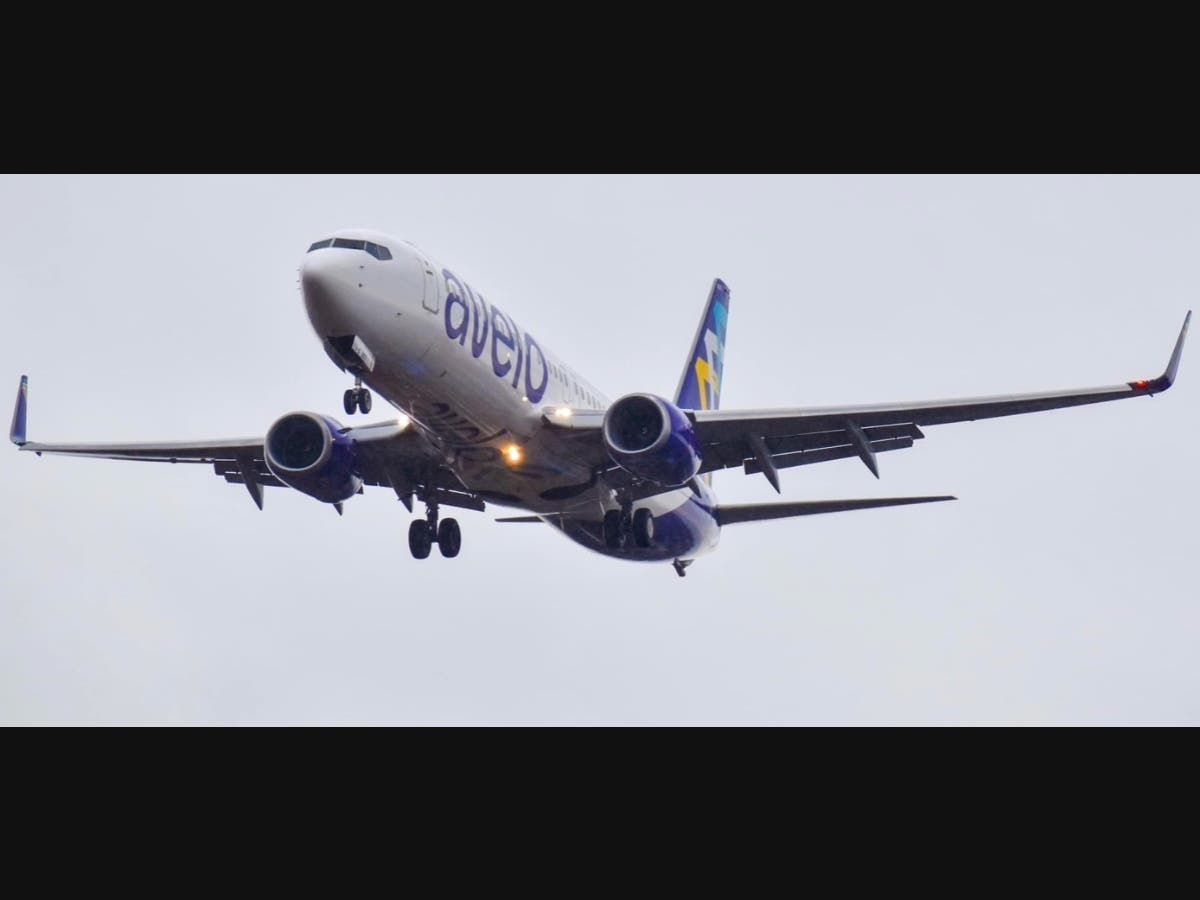
Dense about altitude or just facts?
In past contributions to the Patch, I’ve written articles that explain why a longer runway at Tweed is not necessarily a panacea to bigger jets than the Boeing 737. In the reiteration of this ‘HVN runway issue’, I will now go into specific detail regarding a very important factor to runway length and aircraft performance. Aircraft performance is much more complex than your vocal airport opposition group telling you what a longer runway means. I’m here to explain one of those complexities. I’m here to provide you with Plane Facts.
Coastal locations are great places to build an airport!
Tweed-New Haven Airport is an airport built near the coast and is roughly a sea level airport (13 feet above sea level). This fact helps aircraft runway performance when it is hot, winds are calm and low atmospheric pressure exists. This, as opposed to an airport built thousands (or hundreds) of feet above sea level under the same given atmospheric conditions.
Find out what's happening in East Havenfor free with the latest updates from Patch.
This said, with a 5,600 foot runway, Tweeds’ runway can sometimes present operational disadvantages (in the form of weight limitations) when considering takeoff performance of Boeing 737 sized aircraft. One component to this operational limitation is something called ‘Density Altitude’.
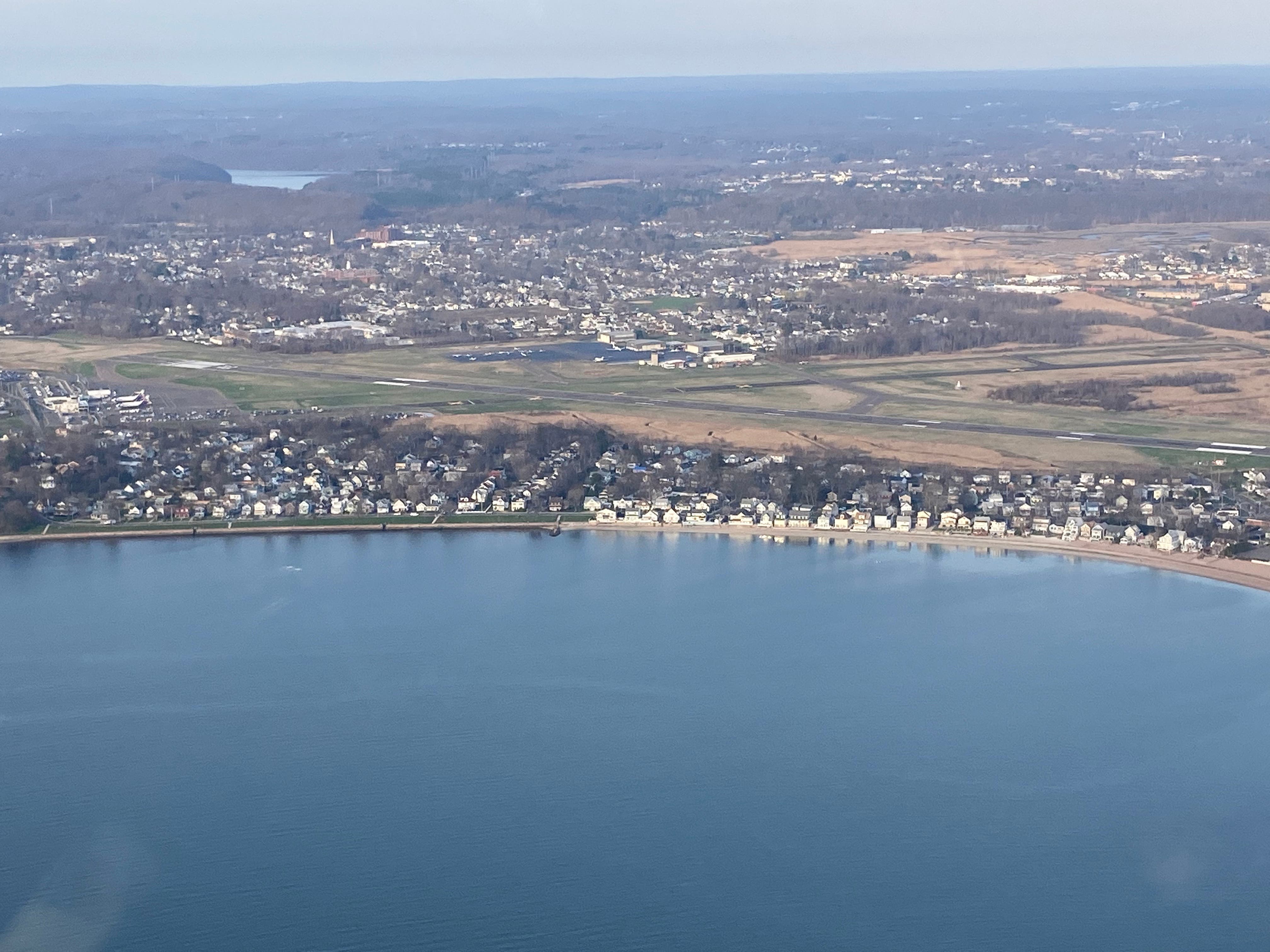
How high are you? A mile high!
Find out what's happening in East Havenfor free with the latest updates from Patch.
Density Altitude is the combination effect of temperature, airfield elevation (above sea level) and atmospheric pressure altitude on aircraft performance. Simply, Density Altitude is the effect different atmospheric conditions have on aircraft performance. High Density Altitudes make the airplane ”think” it is higher in altitude than it actually is and therefore performs less optimally than under Low Density altitude conditions (air becomes less dense the higher you go and airplanes begin to lose performance ability).
Let’s look at one of many high elevation airports to better understand this principle as it pertains to aircraft performance on the ground (takeoff and landing).
Denver International Airport for example, has 12,000 and 16,000 foot runways in attempt to best compensate for this Density Altitude effect. DEN is a high elevation airport sitting at 5,434 feet Above Sea Level! Hot Summer days and high airfield elevation combine to create Density Altitudes of several thousand feet above sea level on certain days. This is detrimental to aircraft performance as they use more runway for both takeoff and landing on a hot versus cold day. The higher the Density Altitude, the less dense the air and thus more detriment to aircraft performance. This can cause flights to operate at greatly reduced weights so as to safely and legally operate from a given runway…even if it is 16,000 feet long. Again, Denver built runways ridiculously long for this very issue…a way to combat Density Altitude.
These atmospheric conditions (high temperature and low pressure) combine with airport elevation to make the airplane perform as if it were higher than it actually is…even whilst sitting on a runway. This Density Altitude effect decreases engine performance and the ability of the wing to produce lift. And so it is, when taking off, this means airplanes need more runway length on hot days (and low pressure) than on cold days. The higher an airport is above sea level, the more pronounced this situation is going to be as compared to an airport closer to sea level.
Every airport is impacted by Density Altitude issues…and the shorter the given runway, the more sensitive the airport is to even minor changes to Density Altitide.
Tweed is sensitive!
We now know that higher density altitudes equate to detriments to aircraft performance. While Tweed does not often have high Density Altitude issues (near sea level airports do not often face this issue), any increase in temperature and decrease in atmospheric pressure coupled with the 5,600 foot runway length can be detrimental to aircraft operations, takeoff in particular.
In brief, Tweed is sensitive to small changes in Density Altitude (high temperature and low pressure) because of it’s runway length. Again, every runway is sensitive to Density Altitude. Tweed is nothing special in this regard. What’s important to know, is that a longer runway is less sensitive to this issue than is a shorter runway. Simply, a lengthened runway will lessen this density altitude effect.
The conditions described above, can sometimes can restrict the operational flexibility of the 737 airliners that frequent HVN runways. This is why a 6,635 foot runway (lengthened from 5,600) would improve the airport operational envelope and not equate to bigger airplanes. It would permit more “unrestricted” operations for the runway. This is better for the airline in terms of delivering more customers to their destinations…and everyone likes happy customers.
As a side-bar, Tweed being a coastal airport is overall a very good thing. Coastal airports generally enjoy cooler temperatures, lower density altitude concerns and often have more windy conditions. These are good things for an airport to have because these are all the factors that improve aircraft performance. I just wanted to reiterate this point as the local anti-airport militia runs around the community telling you something different. #ehpolitics #saveourshorlineconnecticut.#10000hawks
🛑⚠️A word on safety: The occasional operational restrictions HVN 737’s sometimes face, is in no way is a safety violation. You should not be frightened when taking off and landing at Tweed. You should however BE INFORMED…AND BY THE RIGHT PEOPLE. THE ANTI-AIRPORT MILITIA ARE NOT THE RIGHT PEOPLE to describe technical facts as to aircraft operational performance. 🛑⚠️
Air crews, dispatchers and engineers have the “numbers” worked out EVERY SINGLE TAKEOFF AND LANDING (per regulation) to ensure the aircraft performance meets all Federal Aviation Regulations for every takeoff and landing. This gives you regulatory safety ALL THE TIME.
The essence of the runway lengthening at Tweed Airport is to lessen the frequency of these operational weight restrictions due to atmospheric conditions as described in this article.
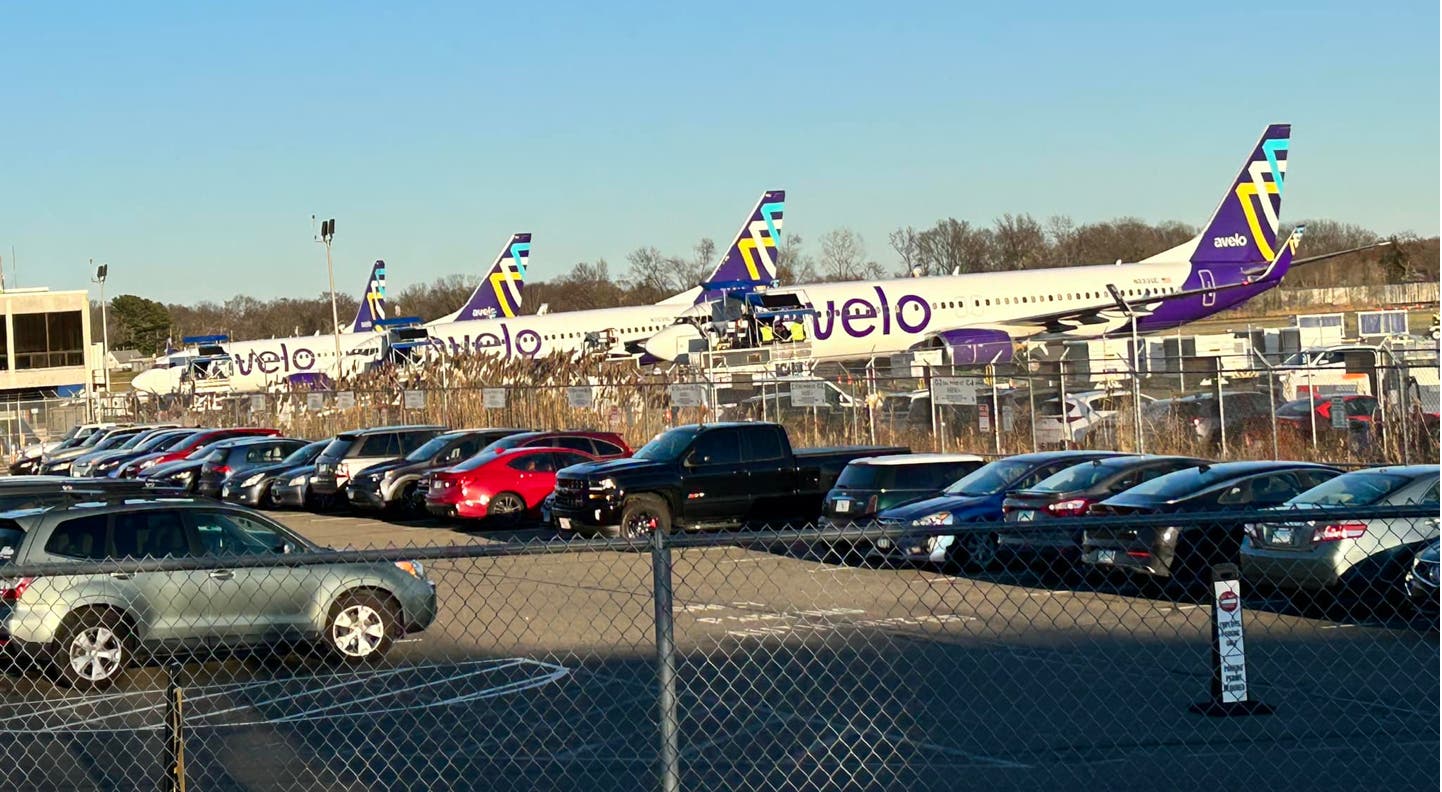
By the way, this kind of restriction happens thousands of times a month across the entire air transportation system (for this and other reasons)…you simply don’t see it 99% of the time. Flight crews and dispatchers work these computations all the time, unbeknownst to you…that is unless the runway or another aspect of the flight has operational restrictions. HVN’s current runway length sometimes dictates these restrictions be imposed…and again, a lengthened runway effectively reduces the frequency of these restrictions.
Your neighborhood opposition group .
If anyone is telling you that the proposed runway lengthening project at Tweed is a “gateway” to larger airplanes, they dont understand aircraft performance in the slightest. There are myriad issues to the aircraft performance matrix…and Airport Density Altitude is just one of them. Next time you see a member of the local Anti-Airport Militia espousing ‘facts’, ask them about the Plane Facts that I just provided you in this article.
In closing, you should be reminded that aircraft face all sorts of operational restrictions industry-wide more often than you can imagine. Tweed’s situation with operational restrictions though unique to itself, is not an uncommon issue to aircraft operations as a whole. This is true whether aircraft are operating from a runway two miles long or half a mile long…from high elevation or low elevation airports…hot or cold…wet or dry runways. These matters are the Plane Facts that dictate aircraft performance. In this important issue facing the region around Tweed, expert input is not an option, it is a requirement. Who you choose for your information is highly important to the gathering the Plane Truth.