Neighbor News
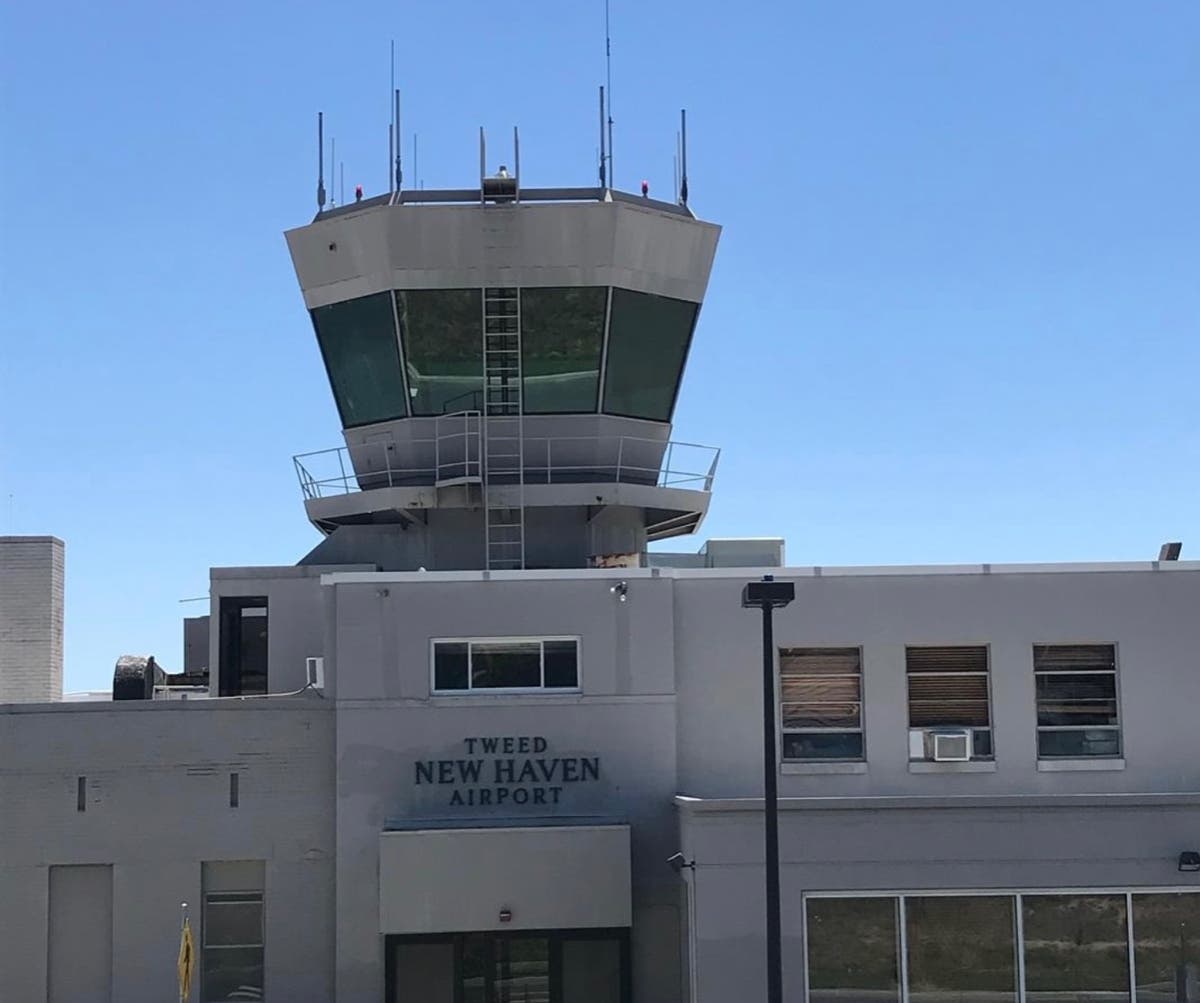
Tweed-New Haven Airport: 10,000 Liars now boarding.
HVN faces daily scrutiny from a gaggle of self-appointed experts calling themselves 10,000 Hawks, Keep Tweed Small and Save Our Shoreline.



Editors Note:
The misinformation Three Ring Circus 🤡🎪🎡 at the hands of 10,000 Hawks, Keep Tweed Small and FlyTweedFacts continues to provide numerous opportunities for credentialed persons to help educate the public on aeronautical matters. As you know, I am one of those credentialed persons…and not just because I say…but because I have the licenses, certifications and years of experience to do so. On this note, I would like to thank these civic-minded organizations for creating all the opportunity in the world to properly inform the flying and concerned public on aviation matters.
You should know that I take personal and professional joy in discussing and describing aviation matters with the flying public. As much as my job allows, I take great pride in being able to talk with passengers about technical aeronautical matters. In this regard, I find the same joy in talking with members of the public who live near the airport, just like HVN.
Find out what's happening in East Havenfor free with the latest updates from Patch.
It must be true if the 10,000 Hawks say so!
There are but a few HVN diversions due to LANDING DISTANCE. Industry-wide, these kinds of diversions occur much less frequently than for reasons of cloud ceiling (height) and visibility. You could say a Professional Pilot told you this!
Find out what's happening in East Havenfor free with the latest updates from Patch.
How do we keep you safe prior to landing?
1. Airport Operations Personnel, Air Traffic Control and Flight Crew interact with one another.
Interaction between these highly trained professionals culminates in what is referred to as Runway Condition Codes.
Runway Condition Codes (RCC) are routinely routinely provided and reported to pilots by Part 139 Airports when conditions warrant (snow, ice and rain). This system is the Standard Operating Procedure for all Part 139 airports (BDL, BOS, PVD, LGA, JFK for example). This is not a special or unique service to HVN. This reporting process is the standard operating procedure designed to keep passengers and flight crews safe, everywhere.
These Runway Condition Codes range from 1 to 6. For sake of brevity, these numbers roughly correlate from DRY, GOOD, FAIR, POOR, to NIL (none) Braking Action. You can infer what these numbers mean to a pilot landing an airplane.
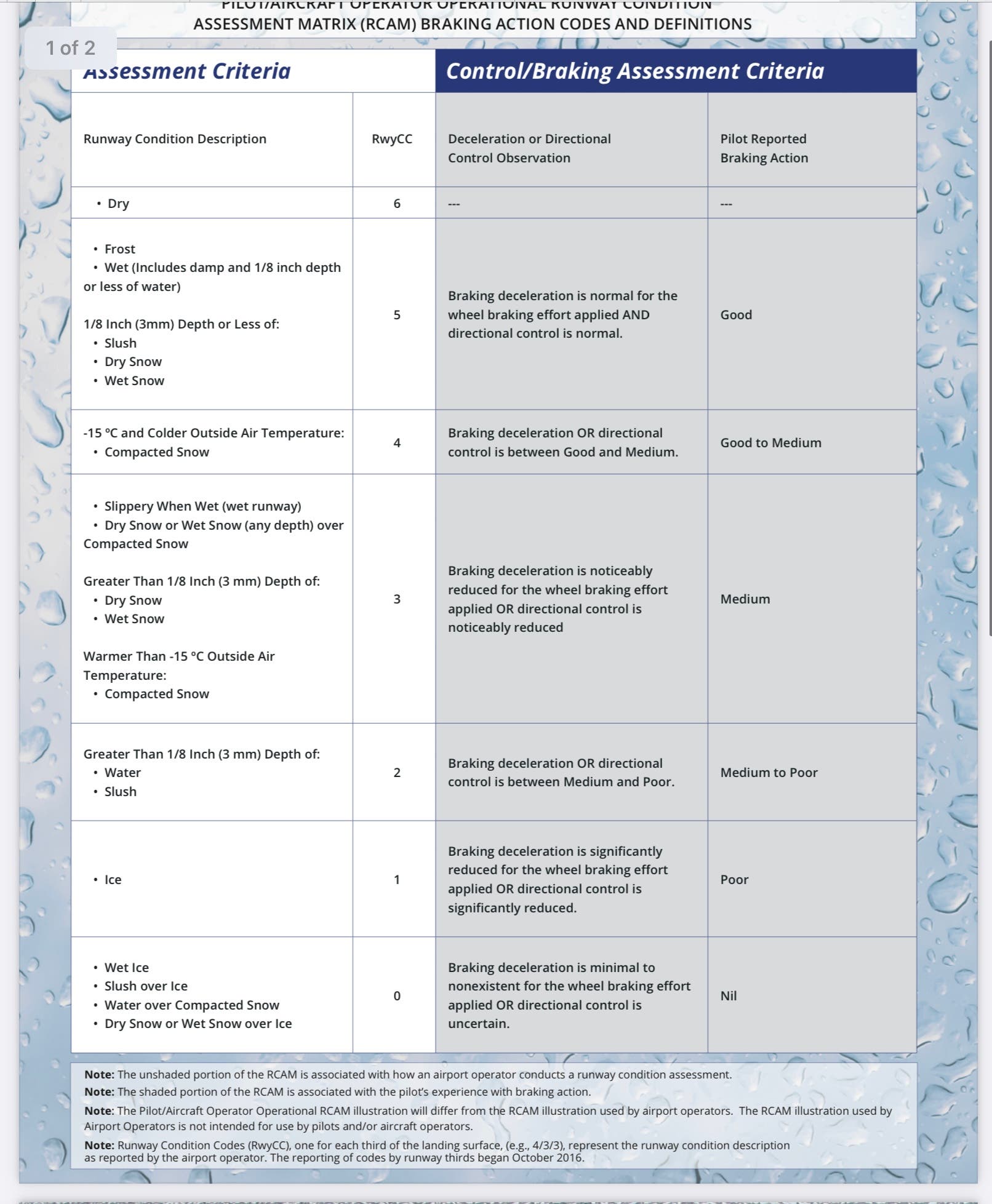
At many airports (to include HVN), red flags to landing an airplane begin to occur when the runway is coded by Airport Operations as less than “5” which is often because of snow, ice, slush or even cases of Heavy Rain.
Diversions because of Runway Condition at HVN are infrequent. Unfortunately, the “10,000 Hawks Anti-Airport Group” & Friends, remain highly uneducated on this matter. Hence, my purpose as a life-long Professional and Instructor Pilot to educate.
These diversions become an issue during the winter months and, yes, can occur even during periods of Heavy Rain. Boeing 737 aircraft and similar types can absolutely land at Tweed on a wet runway…as long as the RCC codes are 5 or greater. And, if the RCC is 5 or lower because of any precipitation factor…we can even enter a holding pattern if the conditions are expected to improve.
The resounding tenet of truth is that every single 737 dispatched to Tweed is legal per Part 121 Regulation (see below and numerous illustrations) and the only time they divert or hold due to RCC (ie wet, icy or snowy runway) is due to RCC. But remember, RCC changes as a result of and similar to weather. This is allowed under regulation! RCC is a dynamic and ever changing parameter, just as the weather often changes.
10,000 feet of runway might not be enough!
THE REALITY IS THAT AIRCRAFT OFTEN CANNOT LAND ON a 10,000 foot runway if the braking action is reported as POOR or NIL. Diversions that appear to have something to do with runway length DONT. Often, it is the condition of the runway that takes precedence over landing length available.. Said another way, a 10,000 foot runway that is icy is just as bad as a runway that’s icy and 5,600 feet.
Remember this?
2. Dispatch regulations prevent aircraft from being dispatched to airports unless certain key requirements are met.
As an aside to this factual, true discussion about in-flight and pre-landing set of procedures and Pilot Decision making, Prominent 10,000 Hawks & EH Politics Organizer, (Rank: General Nuisance, 4-Star🌟🌟🌟🌟) continues to promote her “Rhode Island Landing Regulation for -800 aircraft” stating that these aircraft are illegal at HVN. In this, the 4-Star General has the unrelenting support of “Keep Tweed Small, FlyTweedFacts, Save Our Sound and Save Our Shoreline. This person has taken to Social Media Groups consisting of airline passengers for example to promote her incorrect, misguided and just “plane foolish” assertion about landing distance calculations at Tweed-New Haven Airport.
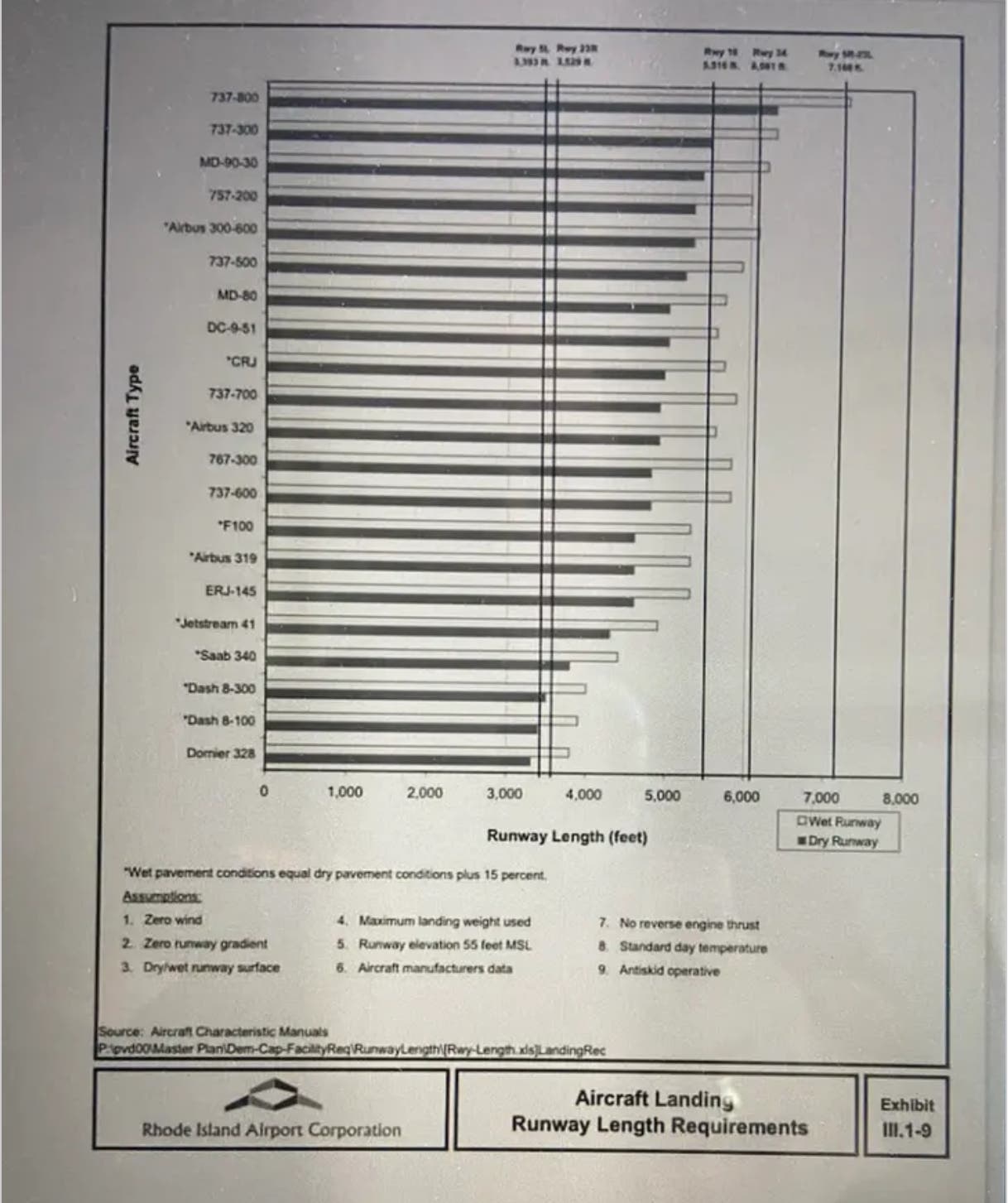
The promotion of the above “Rhode Island idea” illustrates the unrivaled arrogance, malicious and willful intent to create public fear, and most notably, abysmal understanding of aircraft and airport operations of all these groups on the matter of Tweed-New Haven Airport. Everyone in the Anti-Airport Camp 🏕 seems aloof to real rules, regulations and procedures. This article is not for them…they wouldn’t understand.
Ask a real pilot about rules! You’re sure to get an earful.
Before your flight even takes off…
Federal Aviation Regulation states the “60% Dispatch Rule”. More simply, airline aircraft are not allowed 🚫 to be dispatched (takeoff) to any airport, under any conditions, with the expectation of using all the runway. They can only be dispatched to use 60% of the available runway. Then, and to add further levels of safety, under wet or icy conditions, we apply a 15% additive to all our performance numbers.
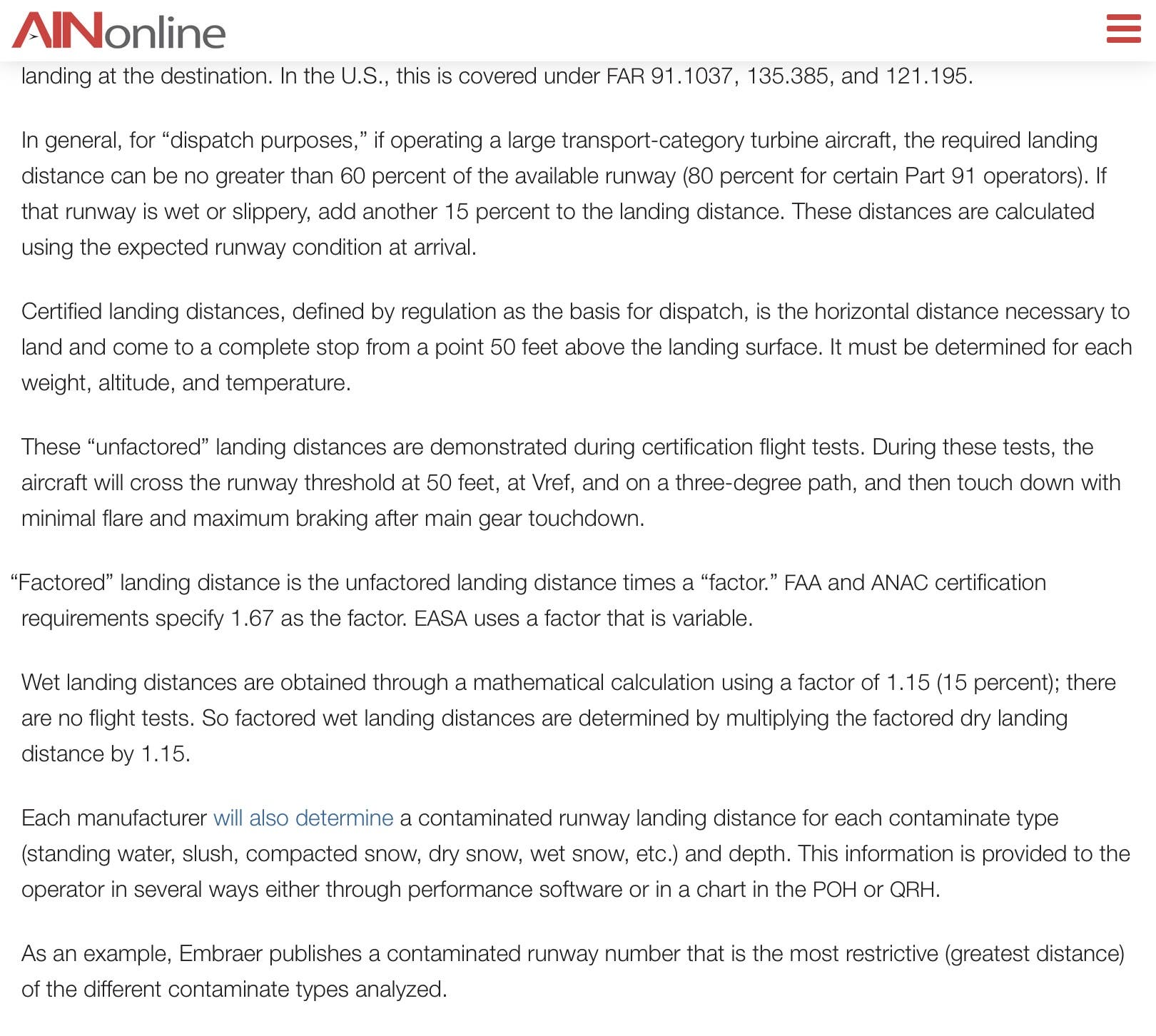
To apply this additive, Pilots, Dispatchers and Flight Planning Computers use the DRY UN-FACTORED LANDING DISTANCE and multiple that base number by 1.67 in order to get the ”contaminated” (wet,snow,ice) landing information.
⛔️In all cases regarding the operation of a flight, Regulation does not a permit a flight to be dispatched with the expectation to use all the runway. ⛔️
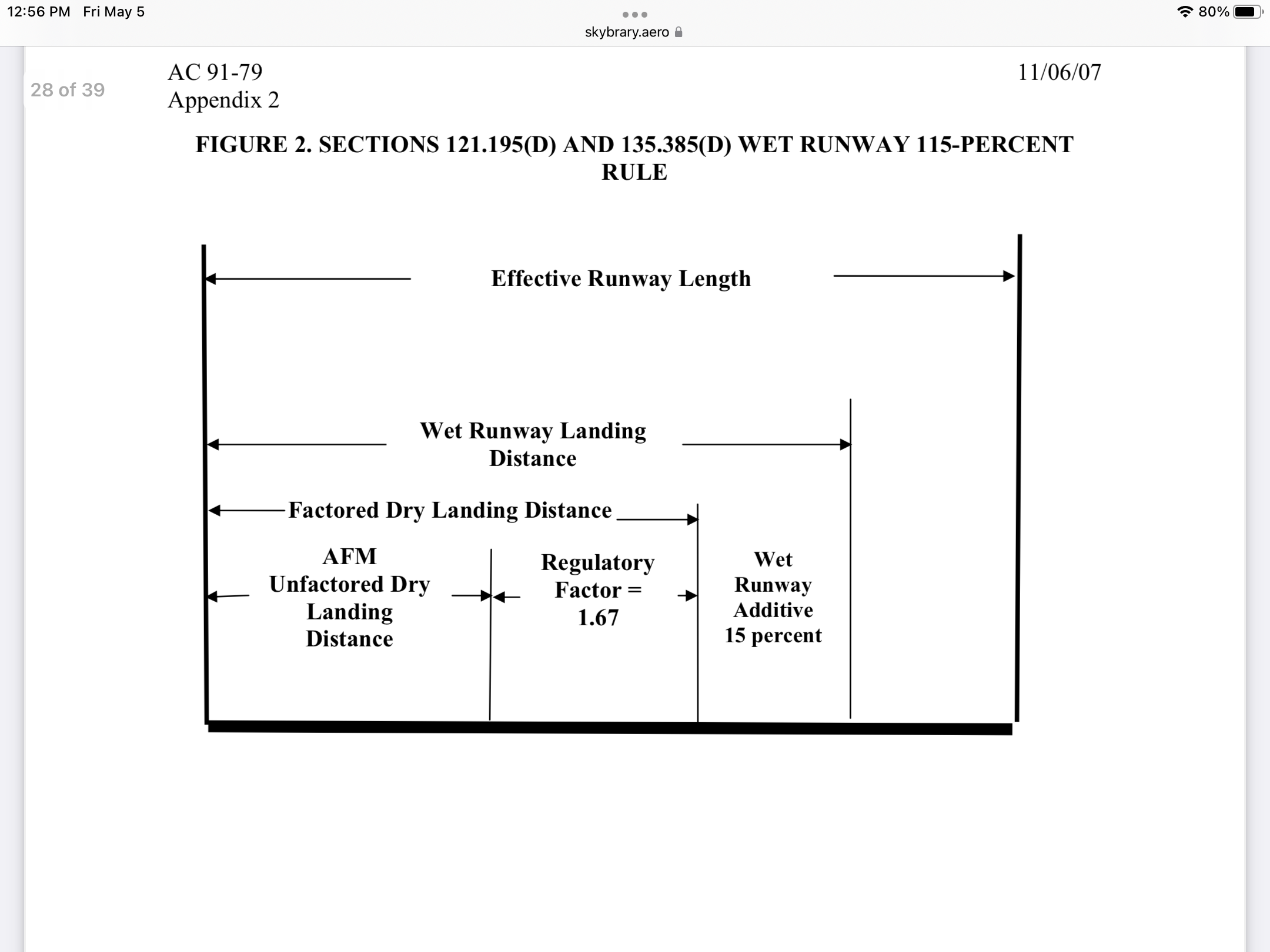
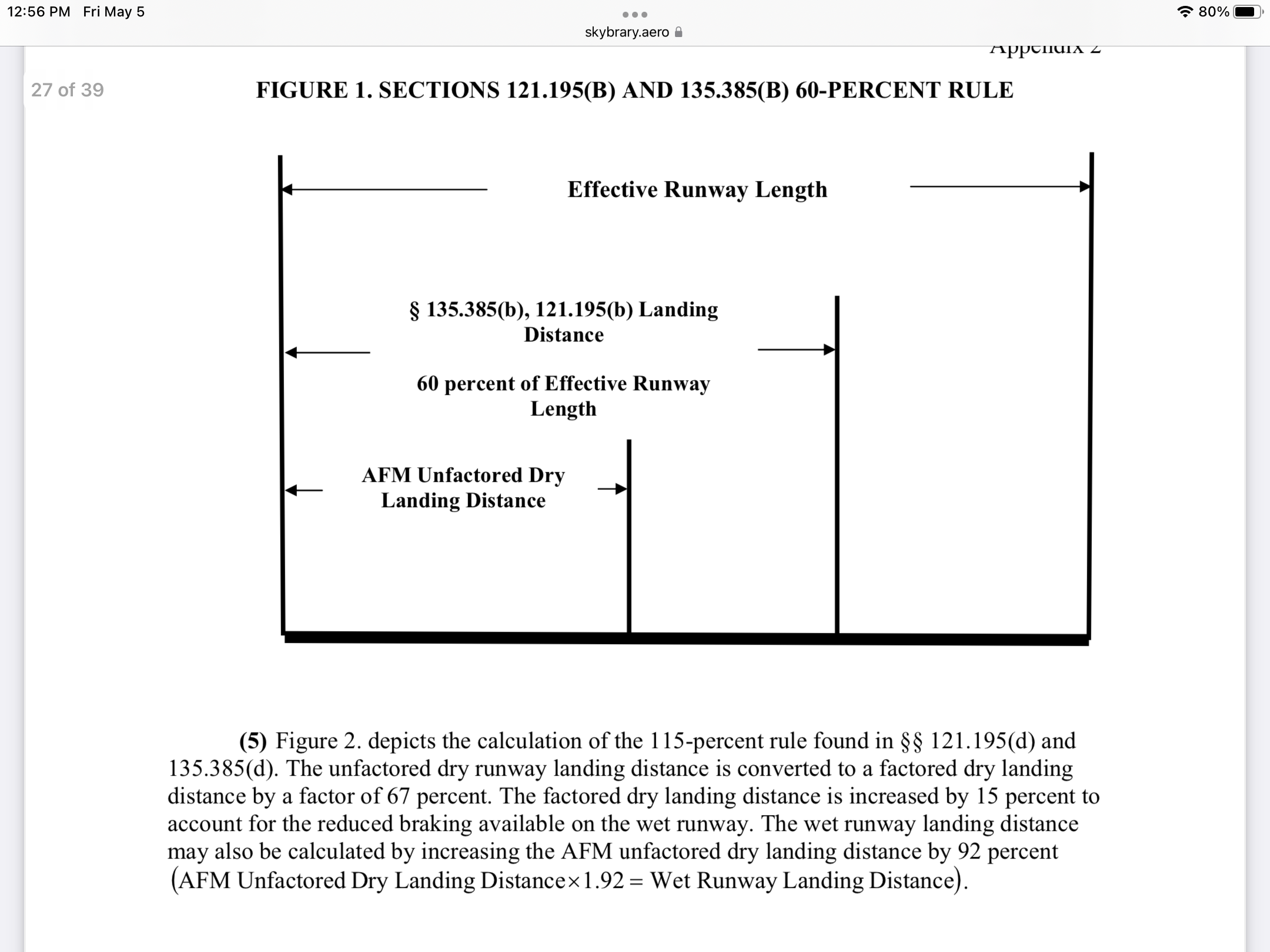
In order to be dispatched to Tweed (like all airports), Avelo jets have to be able to STOP🛑 ✈️ in 60% of the runway. Do the anti-airport protesters know this rule? One way or the other,it doesn’t seem to stop them from “educating” the public. These groups are either uninformed, willfully deceitful or quite possibly, both.
Airplanes dispatched to Tweed are dispatched with pre-planned and calculated numbers to land in 60% of the runway at all times. Regulation dictates this. For those that don’t know, that’s less than 100%. Sounds not only legal but safe.
The goal of the HVN anti-airport protestors: Deceit and to cow to their egos.
To believe the rhetoric of these anti-airport groups, would lead you to believe aircraft “pull up” and abort their landings last second. Oh my gosh! That’s scary. They don’t. But that’s what the 10,000 Hawks & friends want: for you to be afraid…because they have an agenda. By the way, as a Pilot, I have an agenda too…your safety and your understanding of aviation.
As airline passengers and residents near an airport, you are protected by numerous layers of rules, regulations and procedures. The safety net in place for air travel is incredibly durable. In this article, I provided you with just two layers (of many hundreds) of safety when it comes to landing a Jet Transport Category Airplane. Regulations that apply to DISPATCH and regulations and procedures for IN-FLIGHT decision keep things very safe and well planned. In this way, passengers and airport residents are afforded two layers of aeronautical safety.
Just don’t tell the anti-airport crowd.
Toni Lorenti, Captain.
Airline Transport Pilot.
ATR 42/72, ERJ 135/145, CE680, ERJ 170/190
Certificated Flight & Ground Instructor.