Neighbor News
Balancing Life and Giving
Finding Time for Philanthropy Amidst Family and Responsibilities

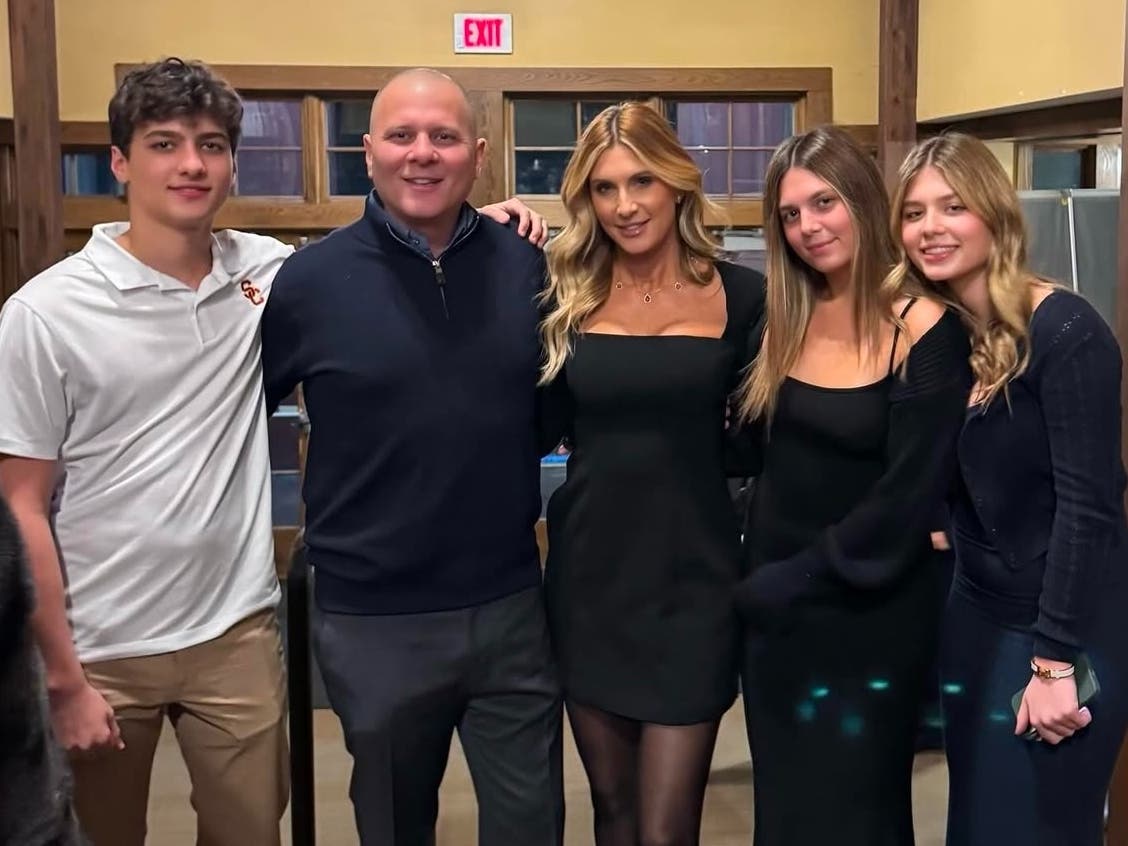
Hey everyone, it's Andi Sklar, and I'm so happy to connect with you here on my blog. Life, as we all know, has a funny way of keeping us incredibly busy. Between school pickups, managing a household that often feels like a small circus (love my kiddos!), attempting to carve out a moment for myself, and, of course, being present for my wonderful husband, Scott, the days can feel like a whirlwind. Add to that the deep desire I have – and I know many of you share – to give back, to make a difference in the world around us, and sometimes it feels like you need about 48 hours in a day to fit it all in.
For a long time, I wrestled with this. I had this immense pull towards philanthropy, seeing needs in our community and beyond that just tugged at my heart. But then there was the reality of a packed schedule, the demands of family life, and the sheer exhaustion that can come with it all. I used to think that to be truly philanthropic, you had to dedicate huge chunks of time or make massive financial contributions. And while those things are incredibly impactful, they aren't the only way to give. Over the years, I've learned some valuable lessons about integrating giving into an already full life, finding ways to make a difference that feel authentic and, importantly, sustainable amidst the beautiful chaos of everyday. I want to share some of those thoughts with you, hoping they might resonate and perhaps spark some ideas for your own journey.
Finding Your Philanthropic "Why" Amidst the Hustle
Let's be honest, if something doesn't truly speak to your heart, it's going to be tough to prioritize it when you're juggling a million things. For me, finding my philanthropic "why" was a crucial first step in figuring out how to make giving a consistent part of my life. It wasn't about jumping on every bandwagon or saying yes to every request that came my way. It was about identifying the causes that genuinely resonated with me, the ones that I couldn't stop thinking about, even when I was knee-deep in packing lunches or coordinating after-school activities.
Think about what issues stir something within you. Is it supporting children's health, like my involvement with Connecticut Children's? Is it fighting a specific disease, which led me to support organizations like Pink Aid and Shake It for Shea? Or is it ensuring families in crisis have the support they need, something I've seen the incredible impact of through Al's Angels? When you connect with a cause on a personal level, the desire to find the time and resources to support it becomes much stronger. It shifts from feeling like another obligation to feeling like a meaningful part of your life, a piece of the puzzle that makes everything else feel a little more purposeful. It's about aligning your values with your actions, and that alignment can be a powerful motivator when time is a precious commodity. Don't feel pressured to support what everyone else is supporting; find the need that speaks to you.
Weaving Giving into the Fabric of Family Life
One of the most rewarding ways I've found to balance philanthropy and family is by integrating them. Giving back isn't just something I do despite having a family; it's something we often do together. This wasn't a seamless transition, of course. In the earlier years, with little ones, simply getting out the door felt like a philanthropic act in itself! But as my children have gotten older, we've found ways to involve them in our giving efforts that teach them valuable lessons about empathy, gratitude, and community.
This can take many forms. It might be something as simple as having them go through their toys or clothes to donate to a local shelter. It could involve participating in a family-friendly volunteer day, like packing care packages or helping at a community garden. We've even turned lemonade stands into a way to support causes we care about, like when we participated in "Angel-ade" for Al's Angels. These activities not only contribute to the greater good but also create shared experiences and open up conversations about why it's important to help others. It's not always perfect, and sometimes the kids are more interested in the snacks than the service, but the exposure is what matters. According to Independent Sector, involving children in volunteering can foster a lifelong commitment to civic engagement and philanthropy (Independent Sector, "Giving and Volunteering in the United States," 2023). It's not just about the impact we make today, but about instilling a value of giving in the next generation.
Beyond direct involvement, simply talking about the causes you support and why you support them can have a profound impact. Explaining where a donation goes, or why you're attending a particular event, helps children understand that giving is a normal and important part of life. It demystifies philanthropy and shows them that everyone, regardless of age, can contribute to making the world a better place. It's about creating a family culture of giving, where looking out for others is just part of who you are.
Find out what's happening in Westportfor free with the latest updates from Patch.
Practical Strategies for Time-Strapped Givers
Okay, so we've talked about finding your "why" and involving your family. But practically speaking, how do you actually carve out the time when your calendar is already overflowing? This is where I've had to get creative and, frankly, a little bit ruthless with my schedule. It's about finding efficiencies and recognizing that every little bit truly does help.
One strategy is to integrate giving into activities you're already doing. For example, instead of a typical girls' night out, maybe organize a "packing party" for a local charity that needs help assembling kits. If you're attending a school event, see if there's a way to tie in a small fundraising effort or awareness campaign for a cause you support. Leveraging existing networks and events can save a tremendous amount of time and effort compared to starting something from scratch.
Another approach is to think in terms of smaller, more manageable chunks of time. You don't need to commit to an entire day of volunteering every week. Could you spare an hour each month to make phone calls for a charity? Could you use your commute to listen to a podcast that raises awareness about an issue? Could you dedicate 15 minutes each week to researching organizations and making small online donations? These seemingly small efforts add up significantly over time. The key is consistency, even if the duration is short. Research by the National Philanthropic Trust indicates that consistent, even if smaller, acts of giving contribute substantially to overall philanthropic impact (National Philanthropic Trust, "Charitable Giving Statistics," 2024).
Furthermore, don't underestimate the power of leveraging your skills and resources beyond just direct volunteering or financial contributions. Are you great at organizing? Offer to help a non-profit streamline their systems. Do you have a knack for social media? Manage a charity's online presence for a few hours a week. Can you connect people? Introduce friends to causes you're passionate about. Your professional or personal skills, which you use effortlessly in other areas of your life, can be incredibly valuable to charitable organizations. It's about giving what you can, in the way that makes the most sense for your life right now.
Ultimately, balancing life and giving is an ongoing process, a constant negotiation between competing demands and heartfelt desires. There will be times when you can give more time, and times when financial contributions are easier. There will be moments of deep involvement and periods where your giving is quieter but still consistent. The most important thing is to stay connected to your "why," to find ways to involve your loved ones, and to be creative and flexible in how you give. Philanthropy is not a luxury reserved for the retired or those with unlimited free time; it's a mindset, a commitment to making a positive impact in the world, one manageable step at a time. And believe me, even amidst the beautiful chaos of family life, those steps are incredibly fulfilling.