Neighbor News
Raising Empathy: How I’m Teaching My Kids to Give Back
As a mom, there are few things more important to me than raising kind, grounded, empathetic kids.

As a mom, there are few things more important to me than raising kind, grounded, empathetic kids. I want them to succeed, of course — but more than that, I want them to lead with compassion. I want them to see the world not just through the lens of their own experience, but through the experiences of others. And for me, that starts with philanthropy.
Giving back has always been a huge part of my life. Over the years, I’ve had the privilege of working with incredible organizations like PinkAid, Al’s Angels, Hearts in Harmony, and Connecticut Children’s. But if I’m honest, some of the most meaningful moments in that journey haven’t happened at big galas or major fundraisers — they’ve happened in my own home, with my children by my side.
Because I don’t just want to do good — I want to raise good humans who understand that generosity isn’t something you do once a year. It’s a mindset. It’s a way of life.
Lemonade Stands and Life Lessons
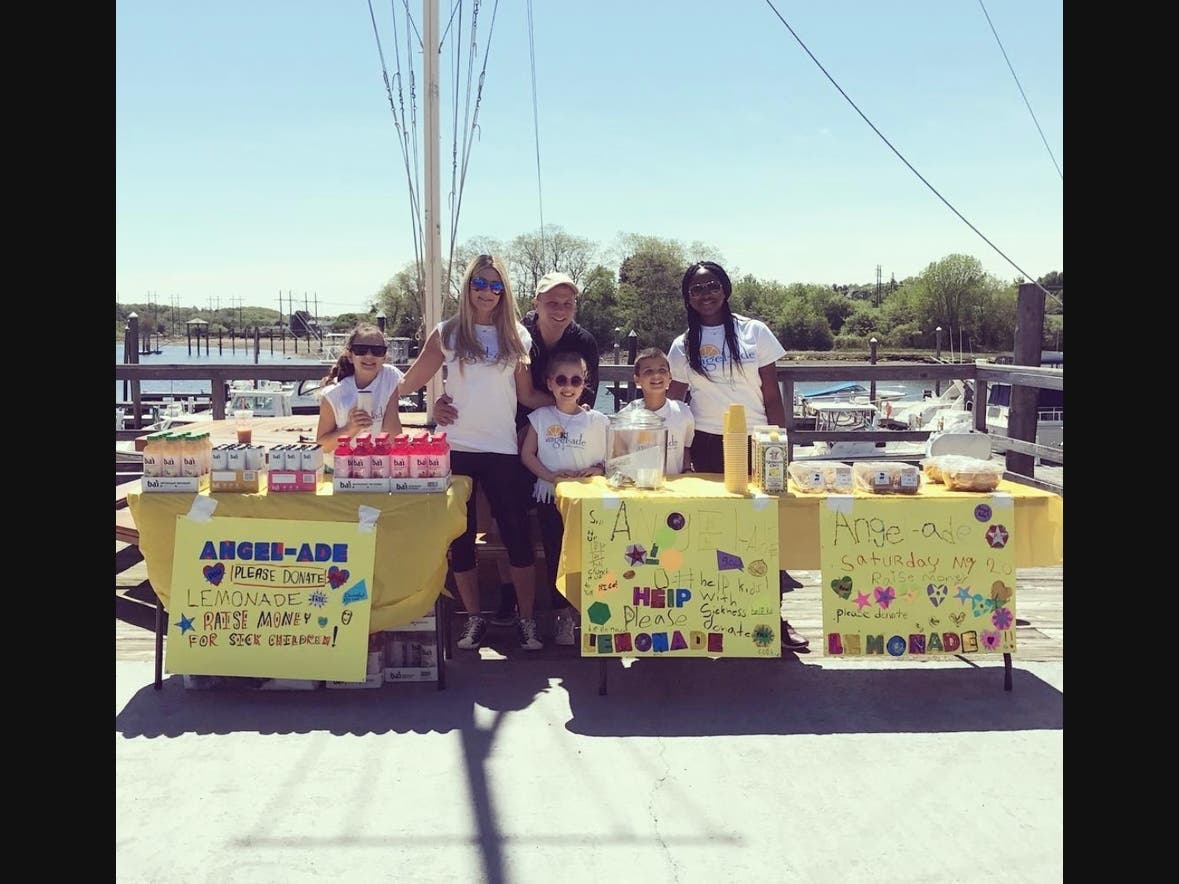
One of our earliest family projects was Angel-ade, a lemonade stand we created to support Al’s Angels, an organization that helps children and families facing serious health challenges. It was a simple idea — just a folding table, some pitchers, a few signs. But it turned into so much more.
My kids were little at the time, and seeing them proudly hand out cups of lemonade, talk to neighbors, and collect donations for something beyond themselves was incredibly moving. It wasn’t about how much we raised (though we were grateful for every dollar). It was about what they learned: that they had the power to make a difference.
And honestly, I learned something too — that giving doesn’t have to be grand to be impactful. Sometimes, it starts with a sidewalk, a smile, and a shared goal.
Keeping the Conversation Open
Find out what's happening in Westportfor free with the latest updates from Patch.
In our house, giving isn’t reserved for the holidays or special occasions. It’s something we talk about regularly. Whether I’m heading to a planning meeting for an event or reviewing materials from a hospital campaign, I include my kids in the conversation. I tell them why I care about a cause. I explain how the money we raise helps real people. I ask for their ideas and their opinions.
Sometimes those talks are short and sweet. Sometimes they lead to big questions. But either way, they create space for understanding and connection. And I truly believe that when children feel included in these kinds of conversations, they begin to see themselves as part of the solution.
Making Philanthropy a Family Value
One of the most rewarding parts of this journey has been finding ways to weave giving into our everyday lives. Whether it’s helping at an event, packing care kits for a hospital, or simply collecting items to donate, we do our best to make it a team effort.
When I helped organize “Check Your Beat,” an event offering free EKGs to children, my kids weren’t just observers. They were part of it. They saw the process, met the doctors, and understood that sometimes the simplest screening can save a life. That experience stuck with them — and with me.
We’ve also talked about why our family supports organizations like Connecticut Children’s and Hearts in Harmony, which focuses on Long QT Syndrome (LQTS), a condition that’s deeply personal to people we love. These aren’t easy topics, but they’re important. And sharing them has helped my kids build empathy — not just for those affected, but for the communities rallying around them.
Letting Them Lead
Find out what's happening in Westportfor free with the latest updates from Patch.
As my kids get older, I’m trying to give them more room to take the lead. I ask what causes interest them. I encourage them to use their voices. Whether that’s sharing a post online, helping run a table at an event, or simply asking good questions, I want them to know that philanthropy isn’t limited to adults. There’s no age requirement for kindness.
I also remind them that impact doesn’t have to be huge to be meaningful. A small gesture — a kind note, a donation of their allowance, volunteering an hour of time — can create ripples. It’s not about being perfect. It’s about being intentional.
What I Hope They Carry With Them
At the end of the day, I know I can’t shield my kids from every hardship. But I can give them tools to respond — with empathy, courage, and action. I hope they grow up seeing service not as an obligation, but as a privilege. I hope they remember that they’re never too small to do something that matters. And I hope that the habits we’re building now — together — become lifelong values they carry with them, wherever they go.
Philanthropy has given me so much — purpose, perspective, and connection. But perhaps the greatest gift it’s given me is the opportunity to pass those values on to my children. And for that, I’m endlessly grateful.