Politics & Government
Selectmen Review Proposed School Capital Projects
During Wednesday's special budget meeting between the Wilton Board of Selectmen and Board of Education, First Selectman Bill Brennan informed that it will cost an estimated $2 million to convert the boilers in the schools to natural gas.
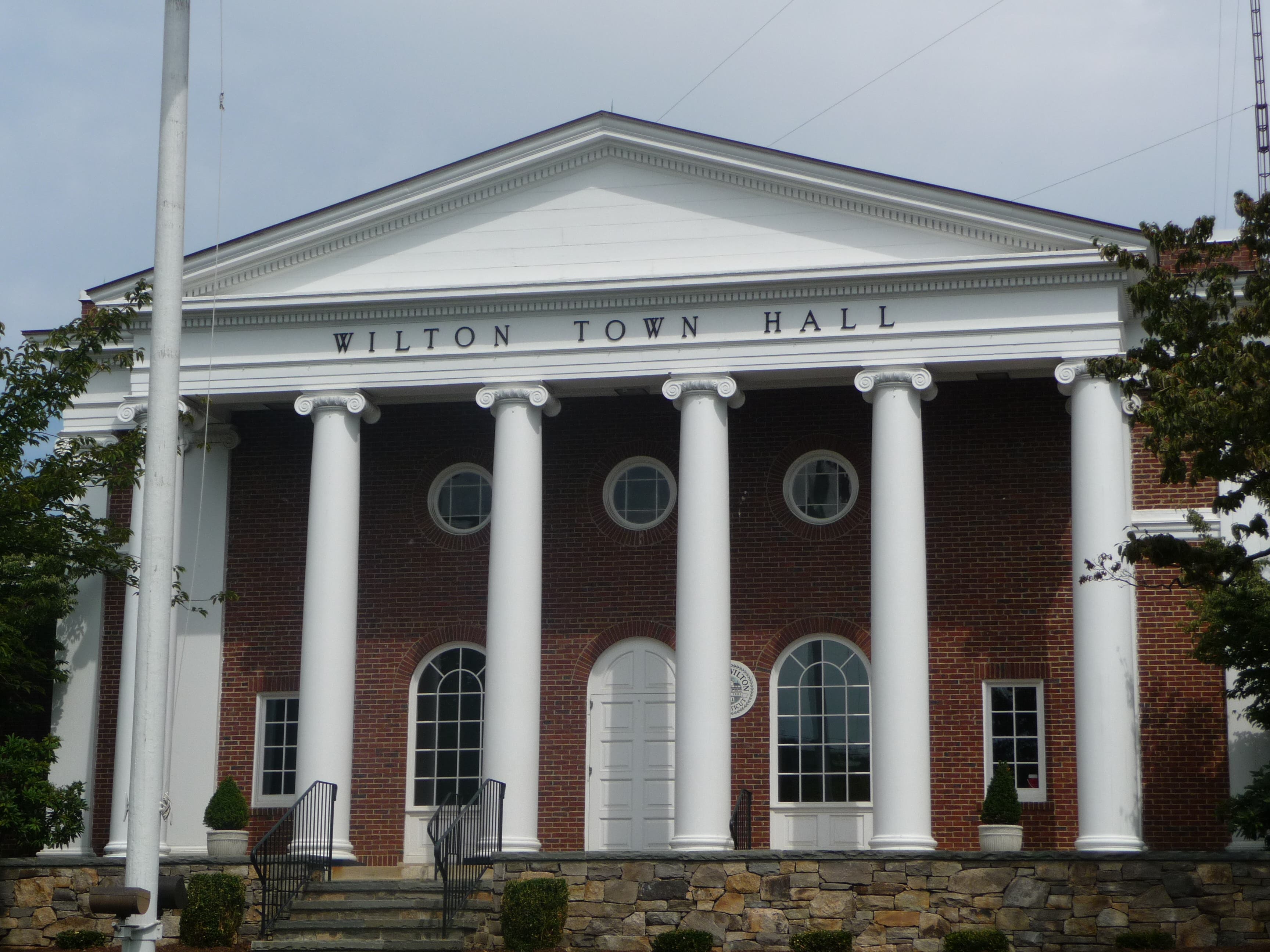
In anticipation of the activation of the Tennessee Gas Line and Yankee Gas Co.'s installation of a spur serving downtown Wilton this summer, the town is converting the boilers in its school facilities and the Comstock Community Center to handle natural gas.
During Wednesday's special budget meeting between the Board of Selectmen and Board of Education, First Selectman Bill Brennan informed that it will cost an estimated $2 million to convert the boilers as well as running the gas lines to the buildings. The capital project is included in the proposed 2013-2014 town budget. The goal is to take advantage of currently-low natural gas prices to save on energy costs. The Town of New Canaan is planning to tap into the Tennessee Gas Line, which runs from Maine to the Gulf of Mexico, for the same reason.
Find out what's happening in Wiltonfor free with the latest updates from Patch.
Brennan said the Wilton Energy Commission recently "assessed what the full cost would be for conversion or replacement of boilers" based on a report from Turner Construction explaining what's involved in running the gas lines, as well as report from BVH Integrated Services detailing what's involved in removing the old boilers and replacing them with new units (which in some cases will require the temporary removal of walls). In the case of the high school the existing boilers are being converted and not replaced.
Brennan said Energy Commission Chairman Bruce Hampson would be reviewing the estimates with BVH and Turner and making final recommendations on which type of boilers should be installed. He said the town is considering installing dual-burner type boilers in some or all locations, as opposed to dedicated burner units. Dual burner units can handle either natural gas or oil, and thus would give the town an easier path to switching back to oil in the event gas becomes more expensive in the future.
Find out what's happening in Wiltonfor free with the latest updates from Patch.
Should the town decide to go with dual burner units, it would be required to replace the in-ground oil tanks at the schools — whereas if it goes with dedicated burners that only run on gas, then the old tanks could simply be removed.
The town is also considering installing condenser type boilers in school facilities where it make sense. These units, Brennan said, are larger and more expensive, but they are also many times more efficient.
Future Projects, Including Turf Replacement, Discussed
Although the boiler conversion and gas line projects are the only major school capital items in the proposed 2013-2014 budget, the boards discussed future school capital projects including paving the parking lots at Middlebrook and the high school in 2015; replacing the roof at Cider Mill in 2016; and replacing a chiller on the roof of Middlebrook School.
Board of Education Chairman Bruce Likly — after first apologizing for bringing the subject up — asked the selectmen: "What happens when we have to replace the turf [on the high school stadium field]?"
The turf in the high school stadium field is approaching its ten year anniversary — and artificial turf typically only has a ten year life span. A turf replacement project for a regulation high school football field averages around $400,000.
Brennan said his board has asked the Parks & Rec Commission to provide information on the life expectancy of the turf as well as options for prolonging its life. He said he didn't want to see the town put into a position where it has to install new turf on two fields at once. He said Parks & Rec has been instructed to give the selectmen "advanced notice" of upcoming turf projects.
Second Selectman Hal Clark said advancements have been made in materials and maintenance to extend the life of artificial turf. Selectman Ted Hoffstatter noted that there are "niche" service companies that are focused on extending the life of turf.
Clark added that in the town's experience turf is more cost effective in the long run by comparison to grass because it doesn't require the same degree of maintenance (such as mowing, line painting, sodding/seeding after damage, etc.), plus it provides a better playing surface that results in fewer injuries. What's more it doesn't require fertilizer or pesticides and thus is more friendly to the environment.
Brennan said he's recently heard talk in town about "people wanting to turf another field."
In a related project, Brennan said his board also spoke with Parks & Rec about replacing the wooden guard rails that run around playing fields, driveways and roadways throughout school grounds. The department is considering using steel rails instead of wood to improve safety and increase life span. Brennan said the project would be done in phases, starting with the sections of wood railing that are in the worst condition.
Brennan said a capital project funded in the current budget — the resurfacing of the tennis courts at Middlebrook — will be done in the spring.
The board did not discuss specific dollar figures in connection with the capital projects — only rounded estimates.
The Board of Selectmen is expected to unveil its 2013-2014 town budget — including capital projects — in March.