Community Corner
The Edible Flowers in Your Garden
Here are the blooms you can turn to to spruce up your meal.
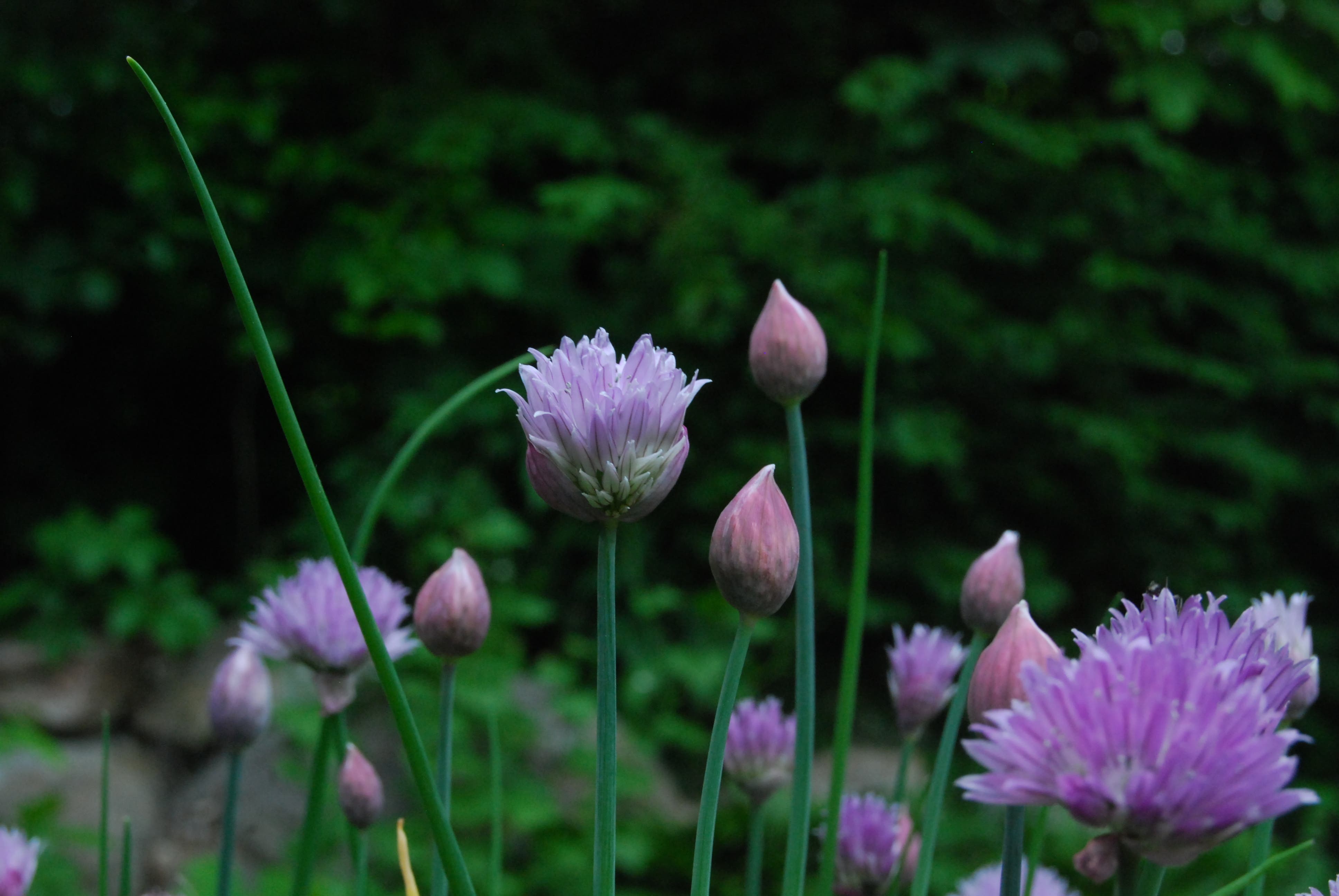

A garden full of flowers fills the air with lovely fragrance, but did you also know that the beautiful blooms can fill your taste buds with flavor?
Georgetown Farmer's Market vendor Nancy Moore of Moorefield Herb Farm in Trumbull has been lecturing for more than 35 years and often her talks include discussing edible flowers. Moore has extensive knowledge about edible blooms.
"Every culinary herb has an edible flower," explained the herb guru. "Basil, oregano, thyme and chives all have blooms that you can eat."
Find out what's happening in Wiltonfor free with the latest updates from Patch.
Chives, in particular, are popping out purple blossoms right now. Moore suggested pulling apart the puffy flowers and sprinkling the petals on top of salads.
"The flower is more onion-y than the foliage," Moore added. The flowers from garlic chives can also be used the same way."
Find out what's happening in Wiltonfor free with the latest updates from Patch.
"Borage has a cucumber taste to it and so does its heavenly blue star-shaped flower," said Moore. A lovely way to serve this bloom is to float it on top of a cold summery soup. "I once did it for a woman's group and it was sensational!"
The striking colors, meanwhile, offset wonderfully on a contrasting palate.
"You eat with your eyes first," Moore said.
Moore has a fantastic idea for violas, or as they are more commonly known as Johnny Jump-Ups. Whisk dried pasteurized powdered egg whites and paint gently onto the flower with a very fine paintbrush. Then sprinkle the flower with super fine sugar. The sparkly blooms will keep for up to a year on waxed paper in a sealed container.
Caution should be taken however when deciding to venture into serving flowers to guests or to try yourself. Never use flowers for eating that were purchased in a nursery because they have been treated with chemicals.
Nasturtiums, especially the heirloom variety Empress of India, have a wonderful peppery taste, but you would only want to ingest them if the plant was organically grown. A florist is not an appropriate place to shop for edible flowers either since blooms such as roses, which are edible, are treated with preservatives which you would not want to ingest.
"There are many books about edible flowers," said Moore.
She recommended Cathy Wilkinson Barash's book Edible Flowers: From Garden to Palate, which explains the cautions associated with eating pretty blooms.
"My granddaughter is seven and we are very careful to show her what in the garden is edible and what is not," said Moore.
Don't let this scare you away from adding flowers to your culinary repertoire however. Tulips can be used as a delicate a dish for chicken salad, as can day lilies, but you wouldn't eat an entire bowl full of just tulip blossoms.
"They do so much to enhance a platter or a salad or a soup," Moore said. But education is key, since although day lilies can be eaten, tiger lilies cannot. "You have to have a list and be very sure you have the right thing!"
Nancy Moore will be at the Georgetown Farmer's Market on Sundays, beginning May 23.
The Wilton Library does not carry Barash's book Edible Flowers:From Garden to Palate, but both Westport and Easton Libraries do and the helpful staff at the Wilton Library would be happy to do an interlibrary loan for you.