Community Corner
DC's Cherry Blossoms Are in Big Trouble, National Park Service Says
Icy cold temperatures are threatening the cherry blossoms at their most vulnerable time with peak bloom just days away.


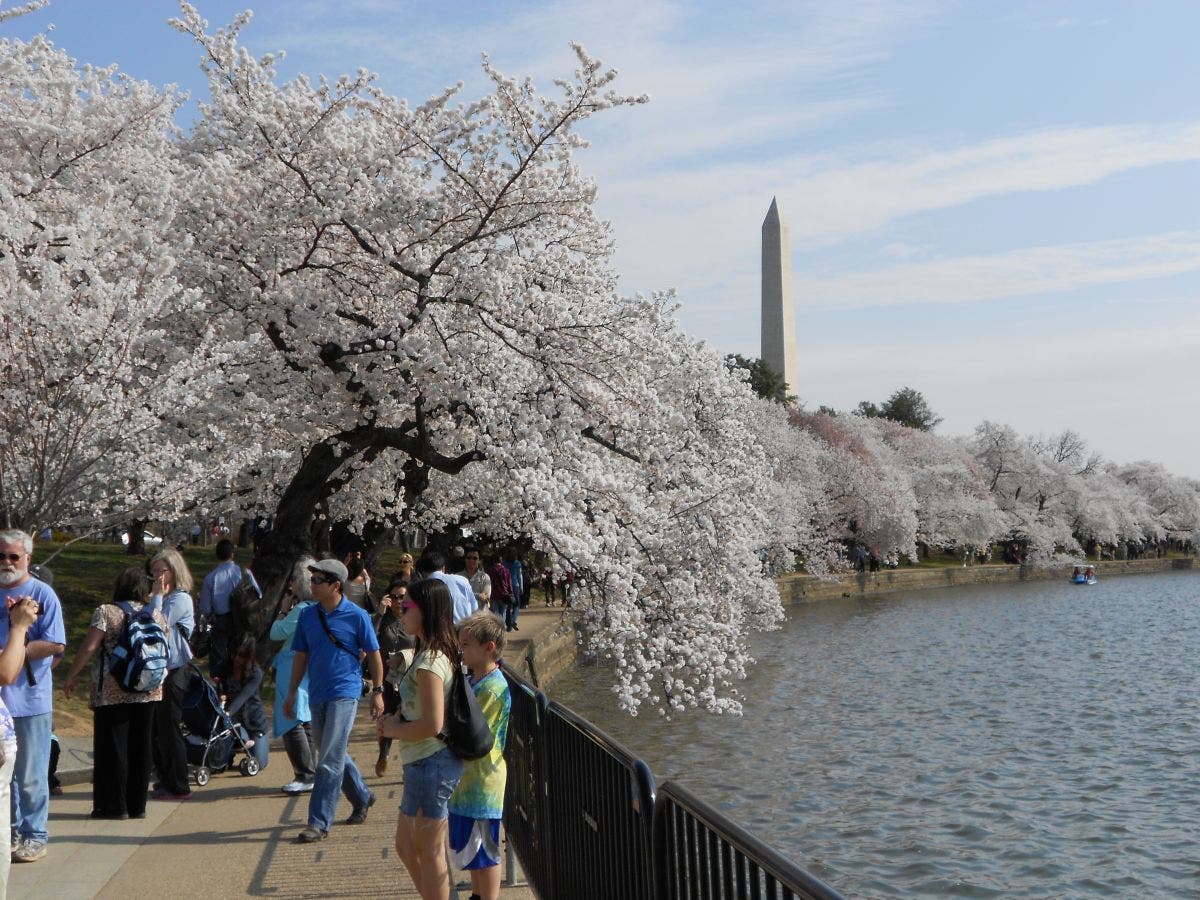
WASHINGTON, DC — D.C.'s beautiful cherry blossom trees are in trouble. The National Park Service says it's touch and go for the trees surrounding the Tidal Basin as temperatures dip into the 20s just days before they are supposed to hit peak bloom.
The NPS issued a statement Wednesday warning that based on its inspections, the weather appears to be damaging the trees, and it could get worse in the coming days.
"Horticulturalists examining the trees found widespread damage in blossoms that had reached 'puffy white,' the fifth of six stages in the bloom cycle," the statement reads. "They have taken cuttings of branches containing blossoms at earlier stages and will force them open over the next 24-48 hours to determine what, if any, damage may have occurred in those blossoms.
Find out what's happening in Washington DCfor free with the latest updates from Patch.
"Because the blossoms are so close to peak bloom and are exposed from the protection of the buds, they are particularly vulnerable to cold temperatures right now. Cherry blossoms start to sustain damage when temperatures hit 27 degrees; at 24 degrees, up to 90% of exposed blossoms can be affected."
Unfortunately, temperatures dipped to 27 degrees just before midnight last night and remained that way until 10 a.m. this morning. Furthermore, the temperature was at or below 24 degrees for a five-hour stretch. And with temperatures expected to stay in the low 20s for the next two nights, the NPS is justifiably concerned for them.
Find out what's happening in Washington DCfor free with the latest updates from Patch.
"With temperatures moderating after the current cold snap, peak bloom of the Yoshino variety of cherry trees is still expected to occur within the projected March 19-22 window," the NPS says. "However, the number of cherry trees that reach the blossom stage may be reduced as a result of the recent cold temperatures."
All is not lost, however. The second most abundant species of cherry blossom, the Kwanzans, will bloom around the Tidal Basin and in East Potomac Park April 10-13, and their buds are protected from the cold temperatures.
Image via NPS
Get more local news delivered straight to your inbox. Sign up for free Patch newsletters and alerts.