Traffic & Transit
Spring ATV Safety: Why Drive Belt Failure Is More Common After Winter Storage
Prepare Your ATV for Spring: Prevent Drive Belt Failures After Winter Storage

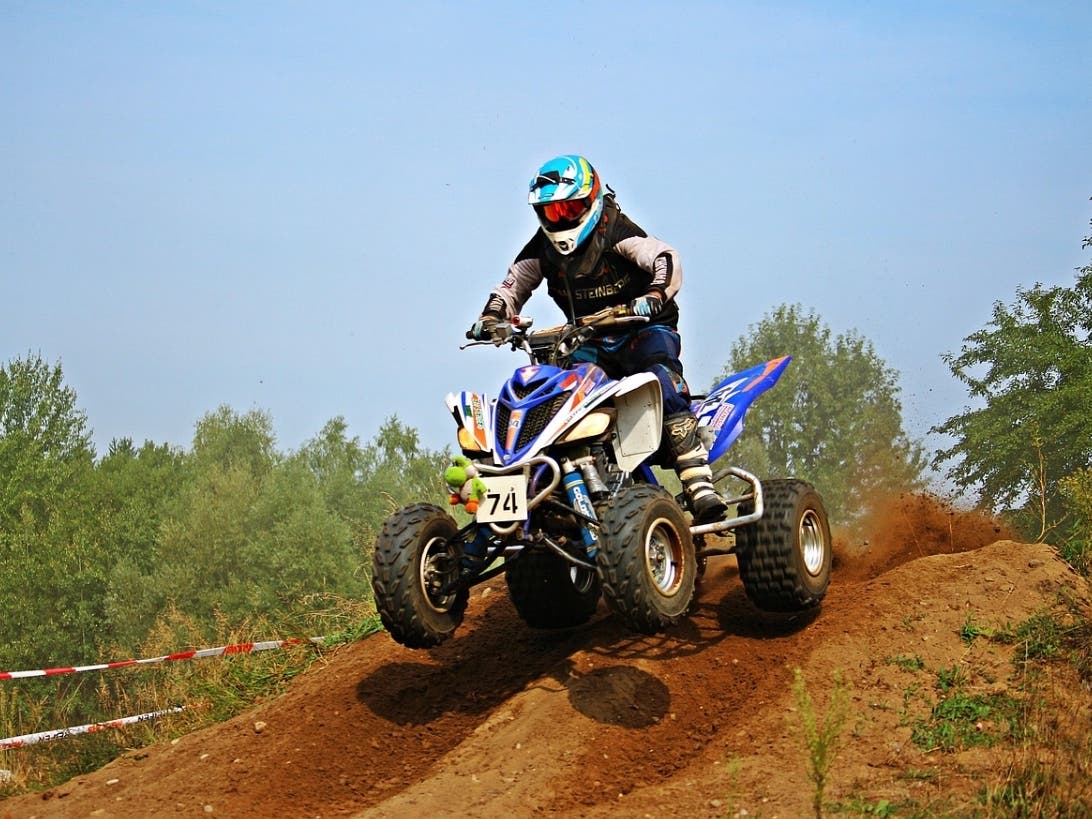
People tend to ride their ATVs less during winter, so usually, they go into storage for a couple of months. But the minute the cold has passed, many riders are eager to throw away their dust covers and hit the trailhead. Unfortunately, most people skip pre-season checks, and usually, that can lead to problems.
The most common issue following the winter season storage is drive belt failures, which happen when your ATV has been idling far too long. It’s not a big problem, and often, a quick inspection can catch these issues before they strand you in the backcountry.
Why Drive Belts Fail After Winter Storage
The most common issue following the winter season storage is drive belt failures, which happen when your ATV has been idling far too long. It’s not a big problem, and often, a quick inspection can catch these issues before they strand you in the backcountry.
Find out what's happening in Washington DCfor free with the latest updates from Patch.
There are a number of reasons why problems develop with your drive belt during winter storage, and a few include:
Cold Weather Effects
Winter brings about extreme temperature swings, and drive belts are made of rubber compounds, which are sensitive to temperature fluctuations. A lot of people’s garages and sheds are not heated, meaning the rubber goes through heavy freeze-thaw cycles. The problem with this is that the material gradually grows more brittle, losing its flexibility, and eventually developing cracks that spread through the rubber over time.
Find out what's happening in Washington DCfor free with the latest updates from Patch.
The presence of moisture in these sheds accelerates the damage. Condensation forms inside enclosed storage spaces when temperatures fluctuate, and this moisture on the belt causes the rubber to break down faster. The combination of cold and moisture creates the perfect conditions for belt deterioration, even when the ATV hasn't moved an inch.
Rodent Damage
When it gets cold, small animals like mice, rats, and squirrels need warm, protected spaces for shelter. A stored ATV offers the ideal hideout, especially the storage compartment and engine bay. However, they don’t just lie in wait. These rodents chew on the rubber components when making their nests or sharpening their teeth, and drive belts are not spared in the process.
The damage can be as minor as small tooth marks or as serious as sections that have been completely chewed through. Therefore, the damage can be obvious. While other times, the tiny nicks gradually weaken the belt structure without being visible during casual inspection. These compromised areas fail under the stress of normal riding, often within the first few miles of spring operation.
Deterioration From Aging
This happens whether or not you store away your ATV during winter, since drive belts inherently have a limited lifespan. Manufacturers will recommend that you replace your drive belt every 2000 to 3000 miles, while others ask that you do it every couple of years. However, winter storage does accelerate the wear from previous riding seasons.
Simply put, an older belt could last longer if the ATV did not have to be stored away during winter, since the cold accelerates deterioration. The rubber compound hardens, the reinforcement cords separate, and the belt loses its ability to grip the clutch faces properly. According to ATV maintenance experts, belts over three years old should be replaced before spring riding begins, even if they show minimal visible wear.
Signs Your Drive Belt Needs Replacement
When you inspect the ATV visually, you’re likely to catch most belt problems. Therefore, look for these warning signs during your pre-season check.
Surface Cracks
You might notice some cracks on the belt surface or edges. Don’t ignore these small surface cracks, because they might seem harmless, but they usually indicate the rubber has lost its flexibility. These cracks grow deeper with use and eventually cause the belt to split completely.
Shiny Glazed Patches
Glazing shows up as shiny, smooth patches on the belt faces. This happens when the belt slips against the clutch faces and generates heat. A glazed belt won't grip properly and causes acceleration problems. It also wears the clutch faces faster than a healthy belt would.
Frayed Edges
Fraying occurs along the edges where reinforcement cords become visible. This damage usually results from misalignment or worn clutch components, but winter storage makes existing fraying worse. Any visible cord means the belt needs immediate replacement.
Burning Smell
When you notice unusual smells coming from your ATV, it might be a result of a failing belt. A burning rubber smell when out on your rides might mean the belt is slipping and overheating. This usually happens quite often after winter storage when the belt has hardened and lost its grip.
Pre-Season Inspection Steps
Before you go out riding in Spring, to ensure your safety, do the following:
Access the Belt
Start your spring preparation by accessing the drive belt. Most ATVs require removing a side panel or cover to reach the CVT system. Check your owner's manual for the specific procedure on your model.
Clean Everything First
Clean the area around the belt before inspection. Dirt and debris hide damage and interfere with belt operation; therefore, use compressed air to blow out dust from the clutch faces and belt channels.
Check the Belt Surface
Examine the entire belt surface inch by inch. Rotate the belt through the clutches to inspect areas normally hidden. Feel for soft spots or areas where the rubber gives more than others. These indicate internal separation between the rubber and reinforcement cords.
Test the Tension
Check belt tension according to manufacturer specifications because a loose belt slips and wears faster. Most ATVs use spring-loaded clutches that automatically adjust tension, but verify the system works correctly after sitting all winter.
Look at the Clutches
Inspect the clutch faces while you have the cover off. Look for grooves, scoring, or buildup that would damage a new belt. Clean the faces with fine sandpaper if you find minor glazing, but if you find deep grooves or cracks, you might need professional service.
.jpg "ATV Trail Safety")
Trail Safety Considerations
Drive belt failure on the trail creates dangerous situations, and Connecticut's expanding ATV trail system brings more riders to remote areas where help might not be readily available. A failed belt means you're stuck until rescue arrives or you arrange a tow.
Therefore, the following are steps you can take to stay safe:
- Carry a spare belt and basic tools for trail-side replacement.
- Tell someone your planned route and expected return time.
- Ride with a group when possible.
However, see a professional for ATV belt repair if you suspect any issues.
Preventing Belt Failure During Winter Storage
Simple storage practices protect your drive belt through winter. Start by removing the belt and storing it indoors away from the cold and small animals. Alternatively, use rodent deterrents like mothballs around the ATV if you can’t or don’t want to remove it. Then cover your machine with breathable fabric instead of plastic to avoid moisture. You should also start the engine every month for 10 to 15 minutes to keep everything moving. However, most importantly, inspect your belt before riding your ATV in the spring. Lastly, replace questionable belts before they fail because a new belt costs much less than being stranded.