Weather
Hurricane Dorian: Using Nukes And Other Ideas To Tame Hurricanes
Using nuclear warheads is just one of many schemes considered, and ultimately discarded, by weather researchers seeking to avert hurricanes.


FLORIDA — President Donald Trump denies making the seemingly preposterous suggestion that America use nuclear bombs to blast hurricanes out of existence, but it's a topic of conversation as Tropical Storm Dorian aims for Puerto Rico and possibly Florida later this week. An article published on the website Axios this week quoted a shadowy White House source, claiming Trump floated the idea of nuking hurricanes to senior Homeland Security and National Security Council officials.
Nevertheless, it’s an idea that was actually explored by scientists. Hugh Willoughby, a professor at Florida International University and former director of the National Oceanic and Atmospheric Administration's Hurricane Research Division, told Patch that using nuclear warheads is just one of many schemes considered, and ultimately discarded, by weather researchers seeking to avert hurricane disasters over the years. Other failed methods included cloud seeding, spreading oil over ocean waters, and pumping cold water into the path of a storm.
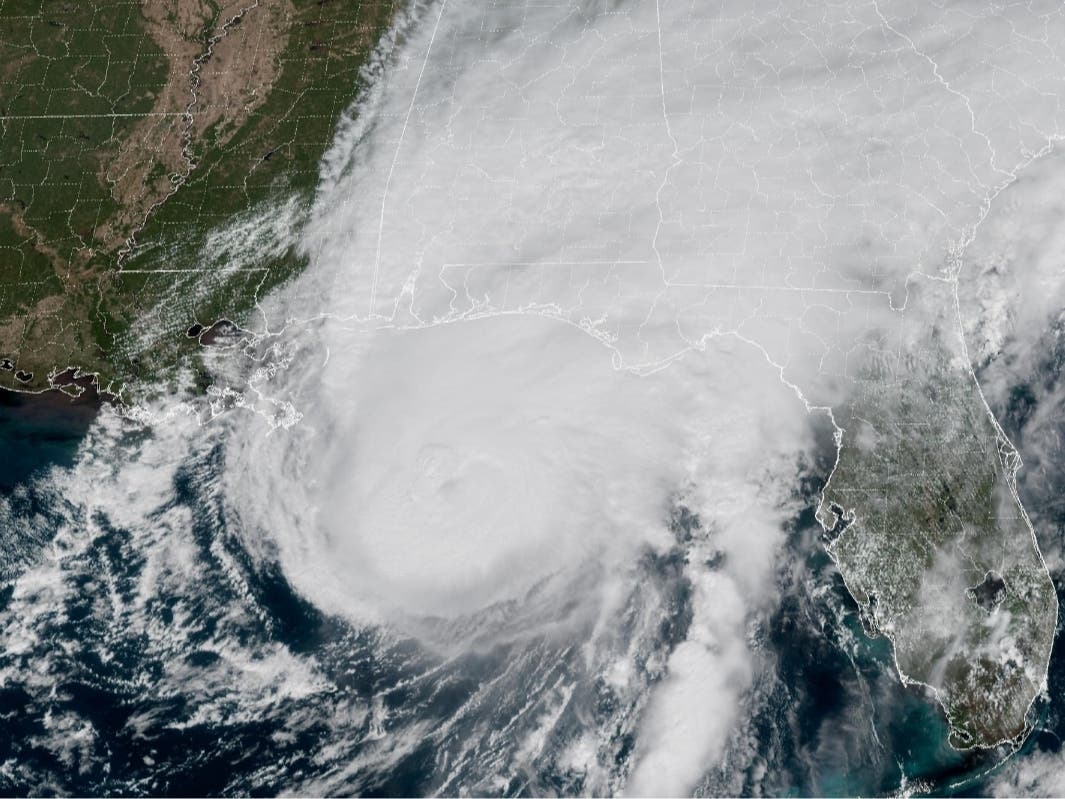
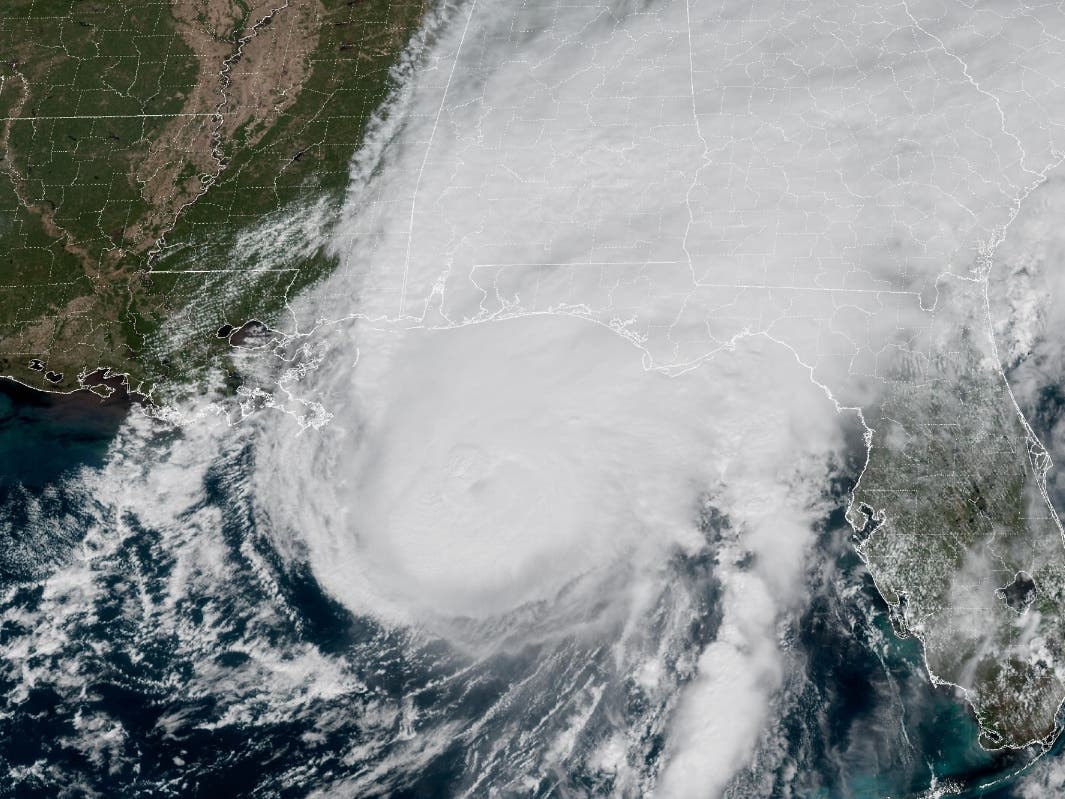
Tropical Storm Dorian was forecast to be near hurricane strength when it approaches Puerto Rico Wednesday. Weather officials said the potential threat to Florida remains uncertain though they told residents to monitor the storm closely and have a plan.
Find out what's happening in Across Floridafor free with the latest updates from Patch.
Willoughby flew more than 400 missions into the eyes of hurricanes and typhoons as a meteorologist for NOAA from 1975 to 2002. He now researches tropical cyclone structure, intensity and impacts for FIU's Department of Earth and Environment and serves on the Florida Commission on Hurricane Loss Projection Methodology.
Willoughby said the economic toll of hurricanes prompted the government to employ hundreds of scientists and spend millions of dollars throughout the 20th century to find a way to prevent hurricanes from striking the United States.
Find out what's happening in Across Floridafor free with the latest updates from Patch.
"As reckoned a decade ago, major hurricanes cost the United States economy an average of about $12 billion annually," said Willoughby. "This cost increases because more people, who paid higher prices for more stuff, live on coastal real estate. The Big One (a Category 5 hurricane making landfall) can now cost more than $100 billion."
The idea of using a nuclear bomb to blow a hurricane out of existence before it reached land was quickly discounted, said Willoughby.
"Hurricanes are bad enough without making them radioactive," he said. "It’s also true that a summer thunderstorm releases about as much energy as a nuke, but in a half hour instead of a few microseconds."
SEE ALSO:
- Puerto Rico Braces For Dorian; FL Threat Unclear
- NOAA Expects More Hurricanes In 2019: Updated Forecast
He said detonating a nuclear device in a hurricane would be like fighting fire with fire.
A fully developed hurricane can release heat energy the equivalent of a 10-megaton nuclear bomb exploding every 20 minutes, according to NOAA research meteorologists. Therefore, it would take a nuclear power’s entire cache of warheads to dissipate a hurricane.
"It would take a lot of atom bombs and violate nonproliferation treaties," Willoughby said.
Moreover, there's no guarantee that a nuclear explosion would alter the storm’s course. And even if it did, tradewinds would carry harmful radioactive fallout over land.
It might save some buildings from being destroyed by storm surge and hurricane-force winds. But the people living in those buildings would suffer thermal burns, radiation poisoning and other lethal health affects. The fallout would eventually pollute drinking water, contaminate crops and have other catastrophic environmental impacts that would make the aftermath of a Category 5 hurricane seem mild by comparison, Willoughby said.
Other Hurricane-Fighting Methods Studied
Cloud seeding showed the most promise of success at dissipating hurricanes. In the 1940s, General Electric and the U.S. military launched Project Cirrus, an attempt to weaken hurricanes by seeding them with dry ice. In October 1947, the researchers seeded a storm off the northern coast of Florida they thought was turning out to sea. Instead, it veered westward and hit Georgia.
“Needless to say, the Georgians weren’t happy,” Willoughby said, noting that the failed experiment resulted in questions about the legal liability of diverting a hurricane from one place only to cause it to strike another.
The costliest effort was an experimental program called Project STORMFURY. From 1962 to 1983, government researchers tested the use of silver iodide, an inorganic compound used for cloud seeding, to weaken hurricanes.
Researchers were initially hopeful. Hurricane winds appeared to weaken by up to 30 percent when misted with silver iodide. However, those results were called into question when researchers discovered that some hurricanes go through a process in which the eye wall, or outer rain bands, migrate inward, causing the winds to weaken. It was this natural occurrence that was impacting the strength of the winds, not the silver iodide.
"STORMFURY, if it had worked, would probably have caused higher surges," Willoughby said.
Another research project investigated spreading some oily substance over the sea to slow heat transfer, which would supposedly weaken hurricanes because they draw their energy from the warm tropical ocean.
Unfortunately, it would require an oil slick thick enough to withstand 100 mph winds.
"You'd need supertanker loads of greasy slime," Willoughby said.
Logistics also foiled an experiment to pump cold water from the ocean depths into the warm waves ahead of a hurricane, which strengthen hurricanes.
"It would work," Willoughby said. "But would take tens of thousands of pumps. Logistical difficulties would be overwhelming if they were to be deployed in rising winds and waves ahead of the storm. An alternative with wave-powered pumps, permanently arrayed over the tropical Atlantic to keep the surface too cold for hurricane formation, would entail even more pumps."
Then there's the little problem of trying to play God in an ecosystem where the slightest change can have profound impacts.
"A colder ocean would mean less day-to-day evaporation," Willoughby said. "Most of the rain that waters soybeans and maize in the U.S. heartland starts with evaporation from the Gulf of Mexico and tropical Atlantic."
The moral of the story is man's efforts to manipulate Mother Nature will inevitably backfire.
"More accurate forecasts, wind and flood resistant construction, wiser land use and timely evacuation, prosaic though they may seem, serve humanity well," Willoughby said.
Get more local news delivered straight to your inbox. Sign up for free Patch newsletters and alerts.