Health & Fitness
Hurricane Irma: Health Department Shares Safety Tips
The agency is sharing information on food safety, mold prevention and water quality in the aftermath of the storm.


CANTON, GA -- While hurricane and tropical storm Irma are no longer a threat to the Peach State, recovering from the severe weather will take weeks or even longer in some parts of Georgia. With this in mind, the Department of Public Health is encouraging residents to use extreme caution in the next few days, as they return home, power is restored and damage assessments are made.
The storm may be over, but that doesn’t mean the danger is. Here are some safety tips the state is sharing with residents as you work to return to your normal routine:
Be careful near damaged buildings
Find out what's happening in Canton-Sixesfor free with the latest updates from Patch.
- Do not return to your home until you are told it is safe to do so.
- Return during daylight hours, when it is easier to avoid hazards, particularly if the electricity is off.
- Do not enter your home if you are unsure of structural integrity.
- Leave immediately if you hear shifting or unusual noises.
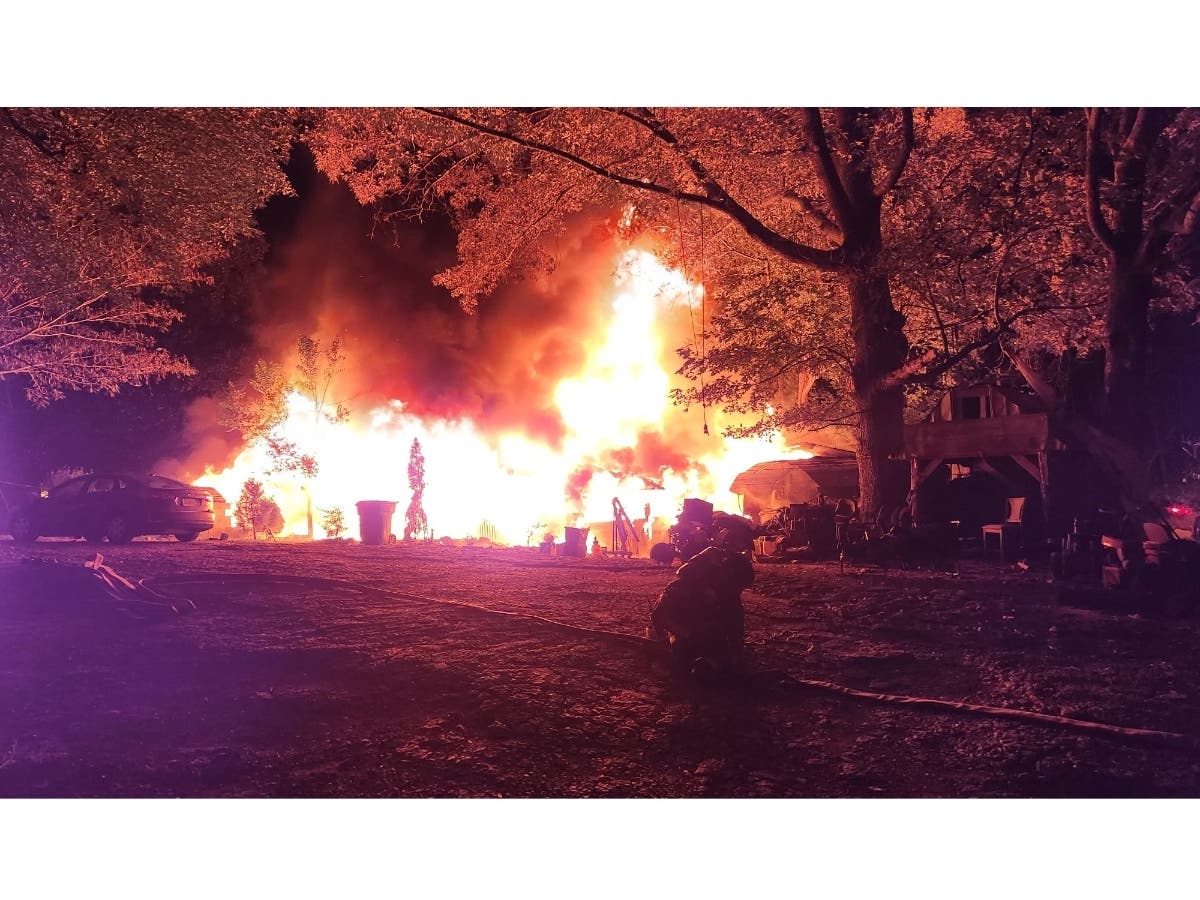
- If you smell gas or suspect a leak, notify emergency authorities or the gas company immediately and leave the area.
Stay away from power lines
- Stay clear of fallen power lines - be particularly careful of power lines that may be hidden in fallen trees and branches.
- Watch out for power lines dangling overhead.
- Report downed power lines to emergency authorities or the power company immediately.
Avoid floodwater
Find out what's happening in Canton-Sixesfor free with the latest updates from Patch.
- Always follow warnings about flooded road.
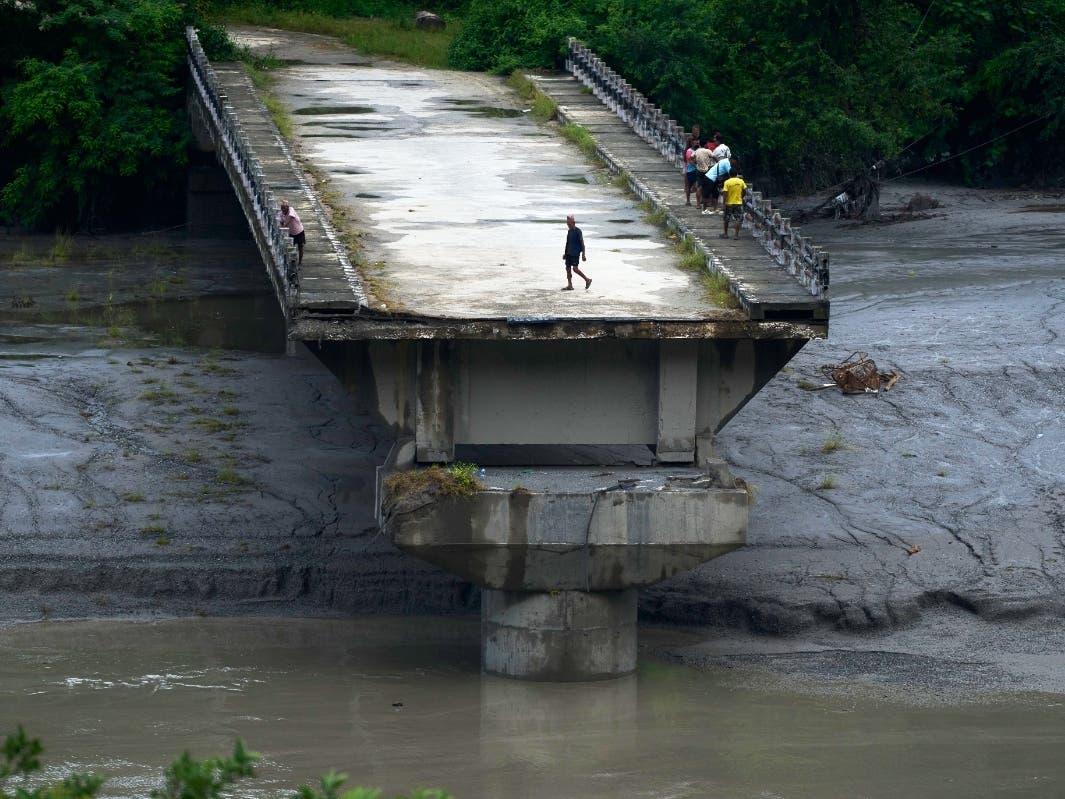
- Don’t drive through floodwater – it may be deeper than you think.
- Keep in mind that floodwater often carries germs. If you touch it, be sure to wash your hands with soap and water. If you don’t have soap or water, use alcohol-based wipes or sanitizer.
Watch: FEMA Says Irma Clean-Up Will Be A Complex And Frustrating Process
Prevent carbon monoxide poisoning
- Never use a generator inside your home or garage, even if doors and windows are open.
- Only use generators outside, more than 20 feet away from your home, doors and windows.
- Install battery-operated or battery backup CO detectors near every sleeping area in your home.
Identify and throw away food that may not be safe to eat
- When in doubt, throw it out.
- Throw away food that has an unusual odor, color or texture.
- Throw away perishable foods (including meat, poultry, fish, eggs and leftovers) in your refrigerator when the power has been off for four hours or more.
- Thawed food that contains ice crystals can be refrozen or cooked. Freezers, if left unopened and full, will keep food safe for 48 hours (24 hours if half full).
- Throw away canned foods that are bulging, opened or damaged.
Check water quality
- Listen and follow all drinking water advisories and use bottled water when in doubt.
- Do not drink water from private wells that have/may have been flooded.
- Disinfect all private wells that may have been flooded before drinking water.
Protect yourself from animals and pest
- Floods can bring mosquitoes that carry disease - use insect repellent with DEET or Picaridin, IR3535, and some oil of lemon eucalyptus. Follow label direction.
- Wear long sleeves, pants and socks when you’re outside.
- Stay away from wild or stray animals after a storm - call 911 or your local public health department to report them.
Prevent mold
- Protect yourself by wearing gloves, masks and goggles.
- Remove and discard items that cannot be washed and disinfected (such as mattresses, carpeting, carpet padding, rugs, upholstered furniture, cosmetics, stuffed animals, baby toys, pillows, foam-rubber items, books, wall coverings and paper products) within 24-48 hours.
- Remove and discard drywall and insulation that has been contaminated with sewage or floodwaters within 24-48 hours.
- Ventilate by opening all doors and windows.
- Thoroughly clean all hard surfaces (such as flooring, concrete, molding, wood and metal furniture, countertops, appliances, sinks and other plumbing fixtures) with hot water and laundry or dish detergent.
For more information, visit the Centers for Disease Control and Prevention's website or the Department of Public Health's webpage.
Image via city of Sandy Springs
Get more local news delivered straight to your inbox. Sign up for free Patch newsletters and alerts.