Business & Tech
Northside Hospital-Cherokee's First Midwife Discusses Career
As Cherokee Women's first nurse midwife, Susan Griggs is a pioneer at Northside Hospital-Cherokee.

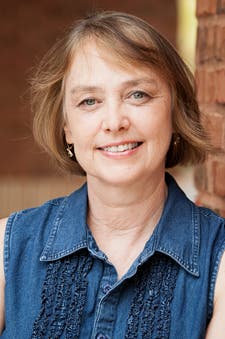
When Certified Nurse Midwife Susan Griggs joined the practice nine years ago, she was the lone midwife in the practice, as well as the only midwife delivering at Northside Hospital-Cherokee, period.
What was it like being the only midwife delivering babies at Northside Hospital-Cherokee?
Being first brought positives and – challenges! The Labor and Delivery nurses were very supportive; many had worked with midwives at other hospitals. But I had to educate about my skill set and which patients I can care for, 37-40 weeks – pre-term patients are cared for by MD’s.
And being first also meant pushing through some red tape! A typical hurdle I had to jump as the first midwife at Cherokee Women’s Health was getting prescriptive authority. This is something available for Advanced Practice Nurses – the ability to write for patient medications. I enlisted the help of the other Advanced Practice Nurses in the office, Women’s Health Nurse Practitioners; the State Board of Medicine approved the application. So now any nurse-midwife or nurse practitioner in the practice can write prescriptions for routine meds – this is very helpful for our patients and makes things in the office run smoother every day!
Find out what's happening in Canton-Sixesfor free with the latest updates from Patch.
On the positive side, being the first midwife delivering at Northside Cherokee – One thing I’m proud of is that I’ve inspired several nurses to go back to school to get advanced degrees in nursing. Advance Practice Nurses approach patient care from a unique perspective – and that opportunity to set an example has meant a lot to me.
You’ve been a Clinical Preceptor for nursing students pursuing their Master’s at more than one university – including Emory, Frontier Nursing University, University of Alabama and Kennesaw State University. How have you ended up training students in so many programs?
Find out what's happening in Canton-Sixesfor free with the latest updates from Patch.
A lot of people don’t realize that Emory University has the only Masters degree training for nurse-midwifery in the state. Also, there’s a shortage of clinical rotations available for students in general, so I try to do my part. For example, this month I got a call from the program at Georgetown University, asking if we could please place a student. I’m eager to have them starting in the fall.
Every program is a little different. A midwifery student at Emory, for example, needs to complete 40 deliveries by the time she or he graduates. Midwifery students attend births here and at other clinical sites, so sometimes by the time they arrive, they already know a good bit. But depending on the program, another student might need a lot of one-on-one mentoring. Students in Family Nurse Practitioner Programs need to learn about OB along with their clinical rotations in pediatrics and adult medicine.
Students learn three basic actions in their clinical rotation with me: 1. How to do an OB exam. They learn the protocols for OB management. 2. How to complete charting. They gain experience using electronic medical records. 3. Finally, they have an opportunity to use their teaching skills with the patients.
Some of the teaching I share with the students is just common sense advice you might not expect. For example: Even if your hands are squeaky clean, go ahead and wash your hands in front of the patient. It’s reassuring to them.
With nursing students, they’ve already had nursing experience, so they have a good sense of the patient clinical experience, unlike a young medical student.
What kind of perspective do you have on patient care? Concerns? Read more...