Health & Fitness
Pearl - June's Birthstone
Learn all about pearls...where they come from, how to care for them, and what all the different kinds mean.

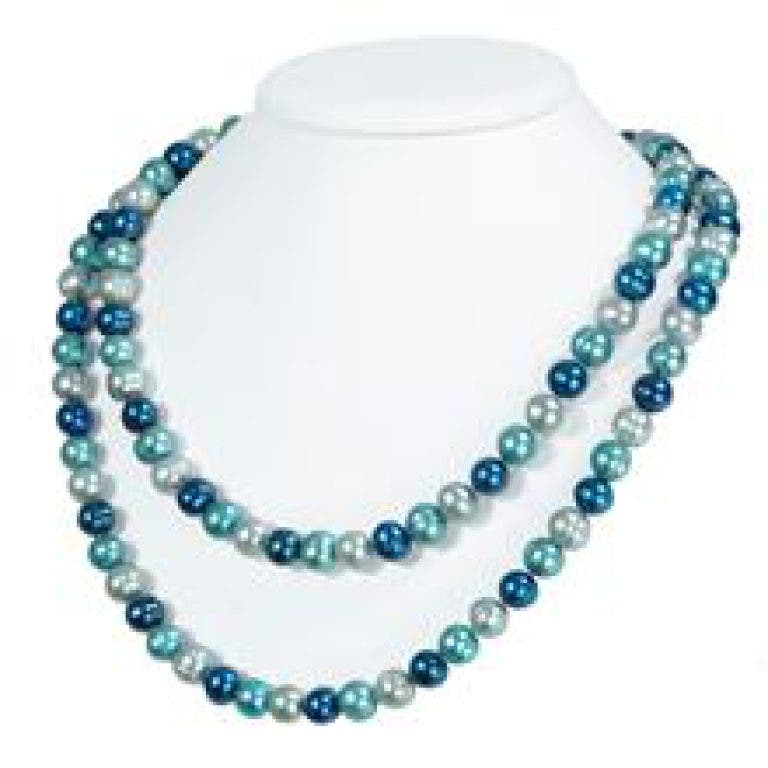
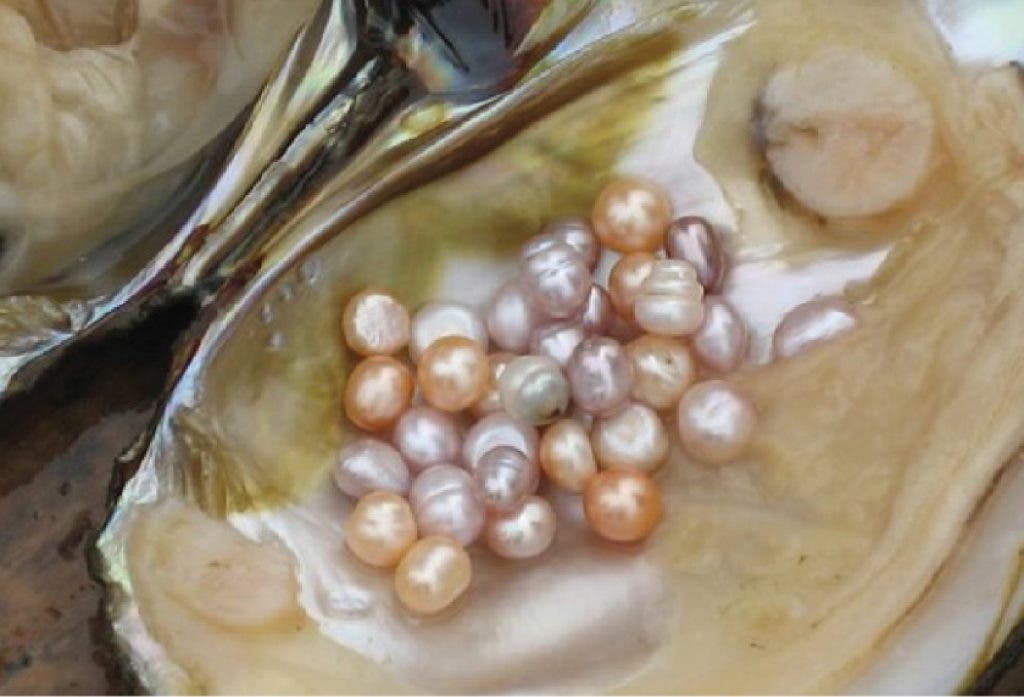


June is a unique month because it actually has three different stones designated as its birthstones, including the very rare alexandrite and the very common moonstone. The most popular and versatile of the three is pearl.
In South Asian mythology, pearls were believed to be drops from heaven, caught by shellfish at the first light of dawn. Indian warriors often decorated their swords with pearls to symbolize the tears that the weapons bring.
Today we know that pearls are grown inside several species of mollusk due to a small irritant such as sand getting caught in the tissue. Luminous gems are then formed as the animal responds by wrapping up the irritant over a period of years to protect itself. In the wrapping process, the mollusk uses what it has available – the beautiful lining of its shell, which is known as nacre. Layer upon layer of nacre form the luster that is unique to pearls; the more layers, the better the luster can be.
Find out what's happening in Cummingfor free with the latest updates from Patch.
Almost all pearls that you find these days are what’s known as “cultured” pearls. What this means is that man started the growing process by inserting the irritating material on purpose. The mollusk still does all the rest! Why culture pearls? Several factors including polluted waters, over-harvesting, and difficulty of finding and retrieving natural pearls combined to make cultured pearls the better option. Culturing pearls means a more reliable harvest, more control of size, and even shape of pearls. That means more pearls for you and me!
You may be wondering about the difference between saltwater and freshwater pearls. To explain, let’s start at the beginning. In the late 1800’s Kokichi Mikimoto of Japan became convinced that he could culture pearls using the Akoya mollusk. When he eventually succeeded, the saltwater cultured pearl industry was born.
Find out what's happening in Cummingfor free with the latest updates from Patch.
An Akoya mollusk is capable of producing one, sometimes two pearls at a time. Only about 5% of all of these mollusks produce good gem-quality pearls, meaning that the saltwater pearl remains a rare and costly gemstone. Freshwater cultured pearls were perfected much later. At first, growers were only able to produce pearls that looked like Rice Krispies cereal, but eventually China was able to produce round, lustrous, gem-quality freshwater pearls.
In contrast to saltwater, freshwater mollusks can produce up to 40 pearls at a time, often in different shapes and colors. That, and their relative abundance means freshwater pearls are often used in more fun and fashionable pieces as well as in traditional strings. The freshwater mollusks even become better pearl producers over the years, unlike the Akoya. This is what causes the great price difference between exclusive saltwater pearls like Akoya or South Sea and freshwater pearls. Regardless, both types of cultured pearls can produce beautiful, lush gemstones. Which do you like better?
Pearls require a little special care. Store your pearls in a soft, clean cloth away from metal jewelry that can scratch. Always put your pearls on last– don’t expose them to perfumes, hair products, or lotions! Every few years, you should also have your pearls checked and professionally re-strung on silk cord. The silk is very strong, but stretches and dirties over time and needs to be replaced. With careful handling, your pearls can last a long time and enhance the wardrobe of many generations!
For more information on pearls:
http://www.honora.com/tv/
Honora has some great videos for in-depth information on how the world’s leading freshwater pearls are grown and selected.