Health & Fitness
Reduce Your Intake: Bottled Water
Denise Carleton, Executive Director of Reaping Nature Educational Outreach Foundation, explains how you can slim down as a consumer and fatten your wallet by reducing your bottled water intake.

No, this is not a dieting blog. Really, it’s not. There’ll be no mention of caloric reduction, scale number dropping, or pant waist size shrinkage using bottled water (however, drinking water does help with all that). Here I want to talk about how to slim down as a consumer, lessen your environmental impact, and fatten up your wallet by reducing your bottled water intake.
We have become a society of convenience. Grab and go. Chuck and throw. I am guilty of it as I sit here sipping on a vanilla latte at a local coffee shop. Life is crazy. For me, I’m an entrepreneur, event organizer, volunteer, doctor, chef, housecleaner, taxi driver, pet caretaker, daughter, mother, wife, and more. The grab and go, chuck and throw, makes life easier and less stressful. And who doesn’t like easier and less stressful?! I do, I do!
But what is our family’s financial and environmental impact when the grab and go, chuck and throw, thought process is a daily excessive habit? It’s actually quite expensive, taxing on our natural resources, creates pollution (air, water and land), and contributes to mounting landfill waste. I’ll try not to bore you with all of the statistics and facts.
Find out what's happening in Cummingfor free with the latest updates from Patch.
According to our Department of Community Affairs, Georgians throw away 1.0 million tons of plastic per year, 90,000 tons of which are plastic beverage containers, with an estimated value of $30 million dollars. So while recycling is a valuable solution to reduce our environmental impact and to grow our economy, 45% of Georgia residents still do not recycle on an ongoing basis.
Americans buy more bottled water than anywhere else in the world. We spend an estimated $15 billion each year to consume around 29 million bottles of water. Plastic starts out as crude oil – a non-renewable natural resource. Manufacturers use 17 million barrels of crude oil to make the plastic bottles to put the water in. According to the EPA, 12 percent of the municipal solid waste stream is plastics. Back in 1960, plastics were less than one percent of the waste stream.
Find out what's happening in Cummingfor free with the latest updates from Patch.
Okay, there are the basics of the environmental cost and loss. Here’s the financial cost and loss to a family of four.
A case of purified water, which is simply water that is mechanically filtered or processed to be cleaned for consumption (like tap or filtered water in your home), costs on average $5 per case (24 – 16.9oz. bottles). If a family of four consumes a case per week that’s a cost of $260 per year.
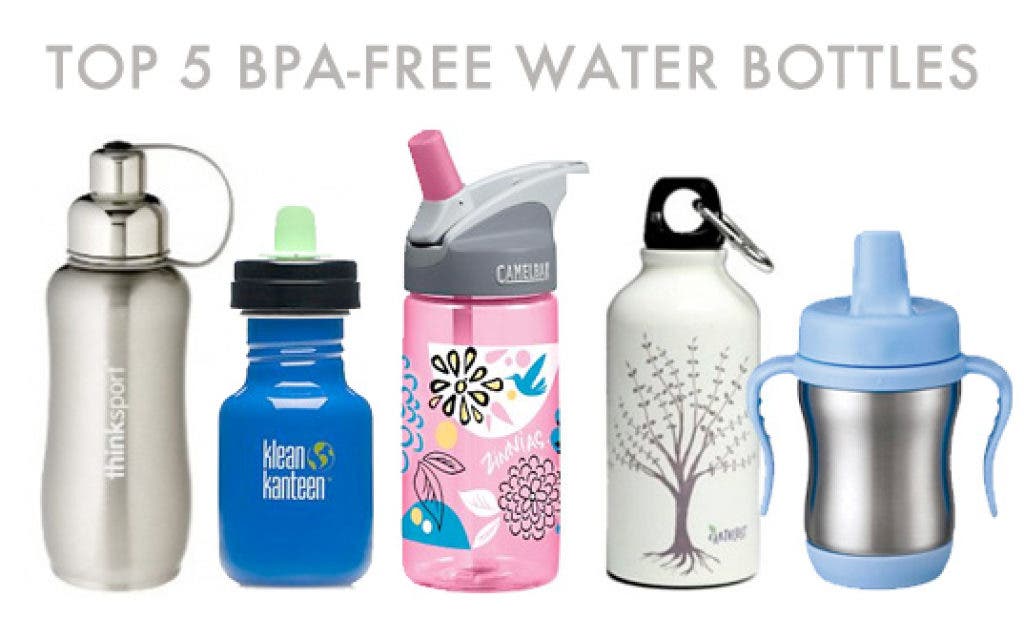
A reusable water bottle, a good one, costs $10 on average, an investment of $40 for a family of four. The 52 cases of bottled water, which hold approximately 165 gallons of water, at an estimated cost of $4 from the tap, equals an investment $44 for the year.
Here’s the breakdown – drum roll please . . .
Bottled - Cost $260 per year
Tap/Filtered – Cost $44 per year
TAP/FILTERED OPTION = SAVINGS OF $216 PER YEAR
The bottom line is slim down as a consumer, lessen your environmental impact, and fatten your wallet by reducing, or eliminating, your bottled water intake. In a nutshell, bottled water is environmentally wearing, energy intensive, resource depleting, and downright expensive.