Crime & Safety
Deadly Opioid Drug Epidemic Leads To GBI Warning
Seventeen Georgia deaths have been caused by furanyl fentanyl and U-47700 in the past four months — the same number as all of last year.


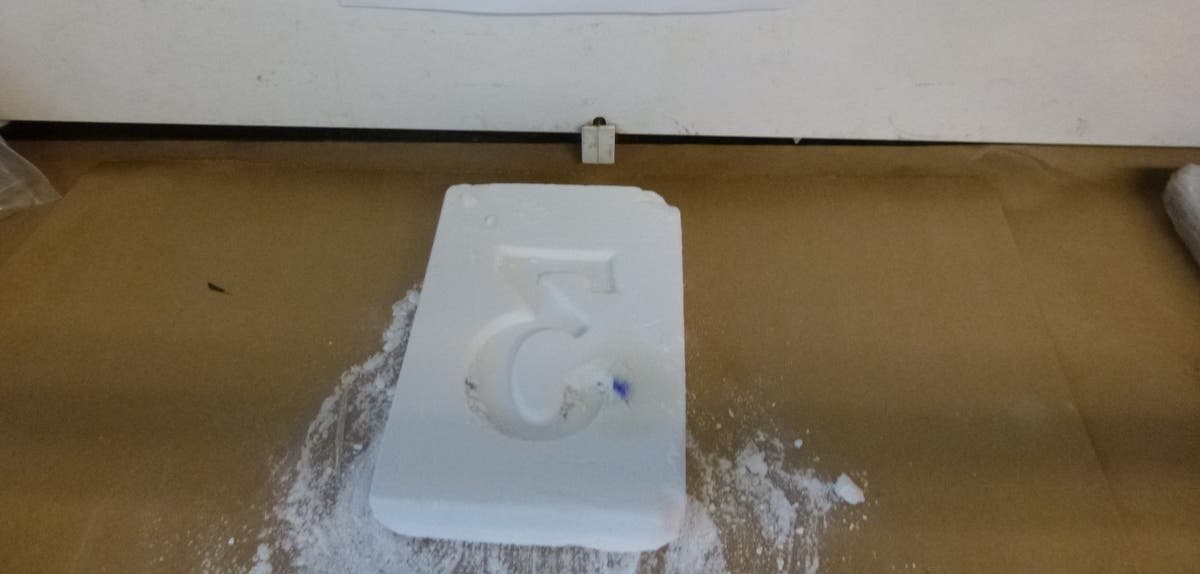
ATLANTA, GA — A wave of deaths in the state due to a pair of opioid drugs has spurred Georgia authorities to issue a warning about their dangers.
The Georgia Bureau of Investigation has released a public safety alert regarding the drugs furanyl fentanyl and U-47700. In the last four months, 17 deaths in Georgia have been caused by the two synthetic opioids. That's the same number of fatalities that were ascribed to the drugs in all of last year.
The drugs, which come in liquid or powder forms, are so strong that, usually, users use them in small quantities to lace other opiates, authorities say. Drug dealers will sometimes use them to lace heroin because they are cheaper than the drug itself.
Find out what's happening in Cummingfor free with the latest updates from Patch.
The GBI Crime Lab has received about 50 cases involving furanyl entanyl or U-47700 this year. In many of those cases, the drugs were mixed with three or four additional opiates, such as heroin.
Both furanyl fentanyl and U-47700 (often referred to simply as "U-4") are classified as Schedule I drugs, which have a high potential for abuse and no currently accepted medical treatment use in the United States.
Find out what's happening in Cummingfor free with the latest updates from Patch.
There is a legal form of fentanyl sometimes used in cases of extreme pain management. Furanyl fentanyl is a chemical offshoot of that legal — though also dangerous and addictive — drug.
Both furanyl fentanyl and U-4 are deadly at very low doses, according to the GBI. They can be inhaled or absorbed through the skin and are toxic in quantities as small as a couple of grains of salt.
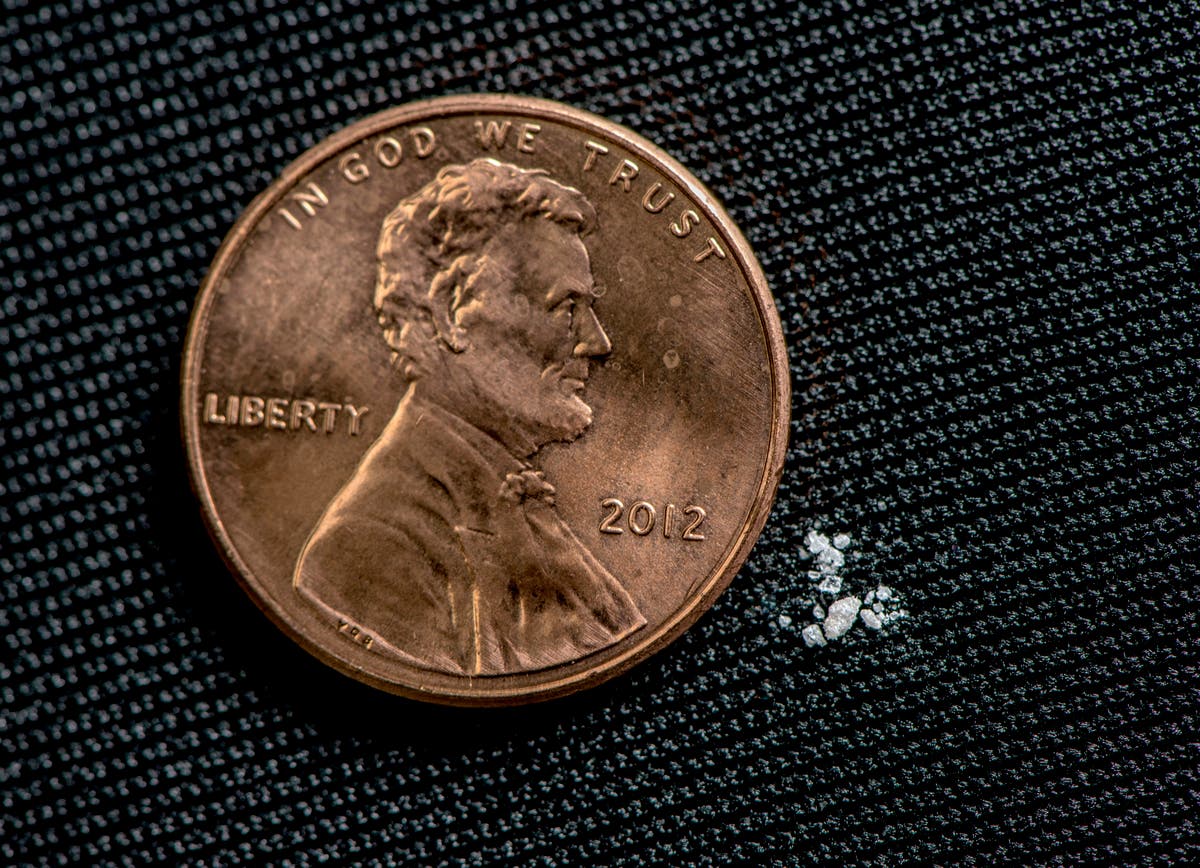
According to the DEA, 2 milligrams of fentanyl, pictured above, is a deadly dose for most people.
Both cause symptoms such as shallow breathing, pinpoint pupils, nausea or vomiting, dizziness, lethargy, cold or clammy skin, loss of consciousness and/or heart failure.
Both fentanyl and U-4 were found in the drug cocktail believed to have killed legendary musician Prince.
Should someone come in contact with the drugs and an overdose is suspected, the anti-opioid drug Naloxone should be administered, if available, and 911 should be called immediately.
Multiple doses of Naloxone may be required to have an impact, the GBI said.
According to the Georgia Department of Public Health, the number one sign of an opioid overdose is unresponsiveness. Other signs include the subject being awake but unable to talk, a limp posture, face going pale or clammy, blue fingernails and lips, slow, shallow or erratic breathing and choking sounds or a snore-like gurgling.
For lighter-skinned people, the skin tone will turn bluish purple, and for darker-skinned people, the skin will turn grayish or ashen.
Georgia's Medical Amnesty Law protects victims and callers seeking medical assistance at drug or alcohol overdose scenes. The law limits liability for a small amount of drugs or alcohol, as well as liability for breaches of parole, probation or other violations.
Naloxone is only considered a temporary remedy for an opioid overdose, and medical attention should still be sought even after it is administered.
The longer opioid drugs are used, the more likely the chance for addiction. In Georgia, anyone struggling with addiction or withdrawal may contact Helpline Georgia at 800-338-6745.
Trained information specialists are available at Helpline Georgia 24 hours a day to provide information about addictive disease, alcohol and other drugs, treatment options, locations of treatment facilities and self-help organizations and the like.
Pregnant women using opioids may contact the Emory Center for Maternal Substance Abuse and Child Development.
Recently, a metro Atlanta law enforcement agency seized about 8 kilograms of a furanyl fentanyl/U-4 mixture, according to the GBI. A field test of the drugs was initially negative before GBI Crime Lab testing identified the substances.
Law enforcement has been warned to use extreme caution and use personal protective equipment when handling or packaging any synthetic opioid.
Earlier this year, the Georgia General Assembly passed legislation to ban both U-4 and furanyl fentanyl. Gov. Nathan Deal signed the bill into law, and it went into effect on April 17.
Photographs via Drug Enforcement Agency
Get more local news delivered straight to your inbox. Sign up for free Patch newsletters and alerts.