Neighbor News
Many More Fatalities From Eating Disorders Than From Breast Cancer
Lack of funding for Eating Disorders, but more fatalities versus breast cancer

Almost nine times more people died from eating disorders in 2012 than from breast cancer (300,000 versus 34,000). Yet less than $1 per person afflicted per year was spent by the NIH on researching eating disorders, as opposed to almost $270 per person on breast cancer research. According to the NIH, the prevalence of eating disorders is also ten times that of breast cancer.
As a breast cancer survivor, I am grateful for the dollars spent and the incredible gains made in this field in recent years. As a psychologist who treats individuals with eating disorders, I am dismayed at the lack of serious interest in eating disorders, a more fatal disease.
Why such a disparity? The answer may be in large part due to lack of awareness and myths related to why a person develops an eating disorder. The vast majority of those afflicted do not wish to have an eating disorder, do not choose it, cannot just get over it, are not raised by bad parents, are not selfish (actually doubting their self-worth despite overwhelming evidence to the contrary), are not only “young, white girls” and CAN fully recover.
Find out what's happening in Mariettafor free with the latest updates from Patch.
People who develop eating disorders are typically born with differences in their brain chemistry, which increases their sensitivity to stimuli. This sensitivity produces a heightened awareness of their own experiences and of those around them, which generally leads to harm-avoidant behaviors such as perfectionism, social avoidance and eating disorders.
The young women and men afflicted with eating disorders are among our brightest and most talented individuals. They are generally selfless and extremely caring. Given the statistics, you know someone who has an eating disorder. With mortality rates at about twelve times higher than from all other causes of death among females aged 15-24, drastic measures should be taken quickly.
Find out what's happening in Mariettafor free with the latest updates from Patch.
Although there have been amazing strides and developments in the understanding and treatment of breast cancer in the last twenty years, I have seen much less development in the understanding and treatment of eating disorders. If awareness of these truths is raised, increased funding for research will eventually follow, and romanticizing thinness may diminish.
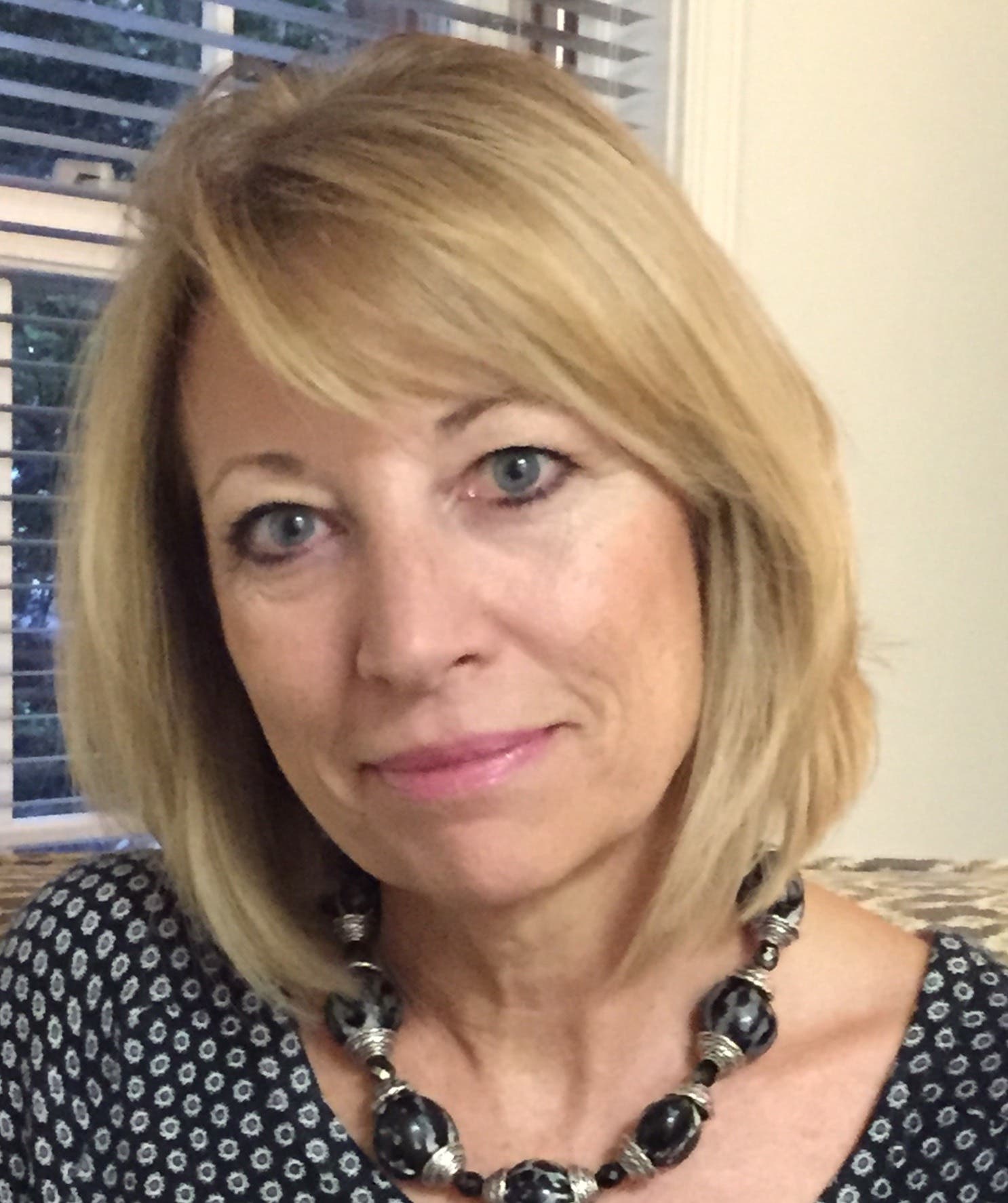
Dr. Linda Buchanan is the founder and Clinical Co-Director of the Atlanta Center for Eating Disorders (ACE), an Intensive Outpatient and Day Treatment facility. For more information about ACE, visit www.eatingdisorders.cc or call 770.458.8711 x202.