Seasonal & Holidays
When Is The First Day Of Fall 2018? Can’t-Miss Events In Illinois
With its crisp air, stunning leaves and sunny afternoons that fill football stadiums, autumn officially arrives Saturday in Illinois.


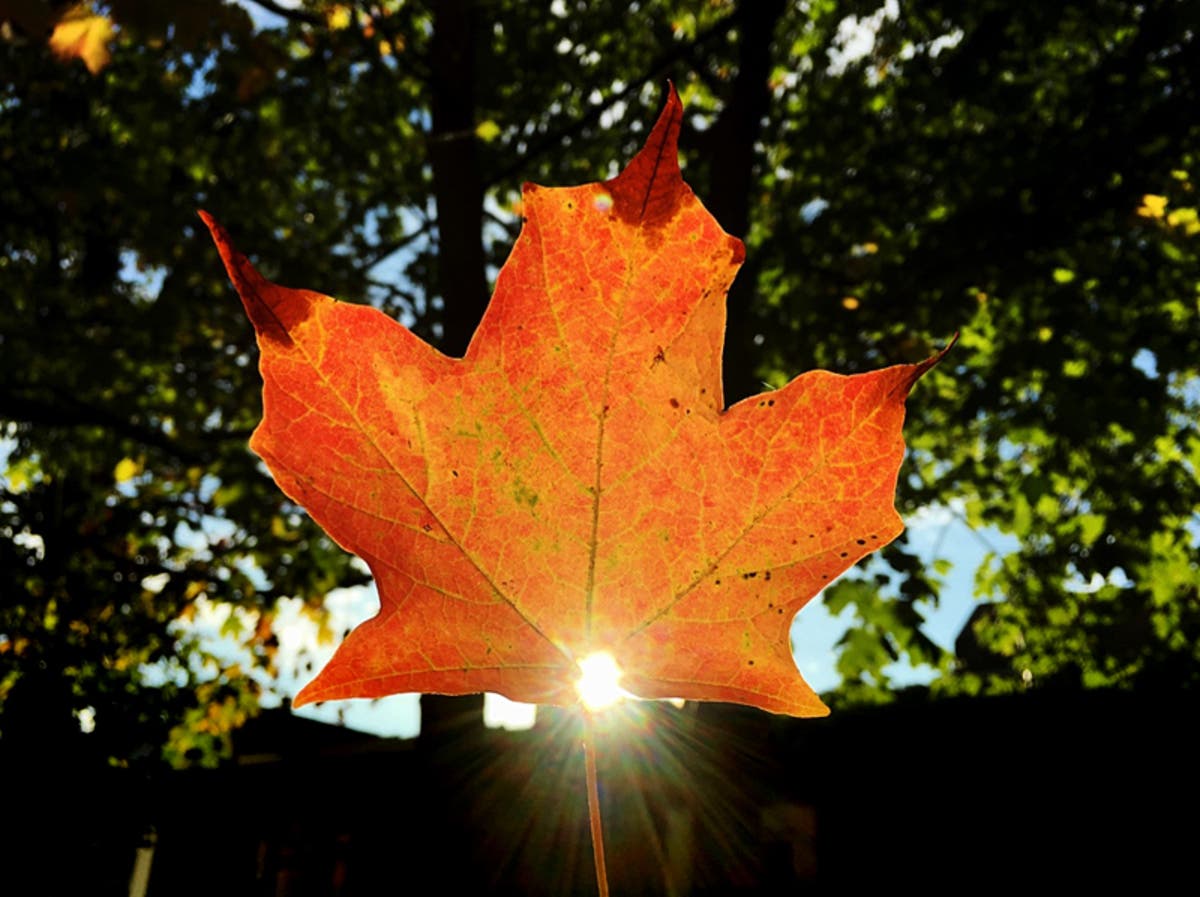
With its crisp air, stunning leaves and sunny afternoons that fill football stadiums across the country, autumn officially arrives Saturday in Illinois. We’re also coming up on the end of Daylight Saving Time, which officially ends on Sunday, Nov. 4, but that’s a while off.
So when does fall start, officially? The autumnal equinox officially occurs in the Northern Hemisphere at 8:54 p.m. Central time on Saturday.
The fall equinox occurs when the sun crosses the celestial equator. The word equinox comes from the Latin words “aequus,” which means “equal,” and “nox,” which means night.
Find out what's happening in Across Illinoisfor free with the latest updates from Patch.
That’s led to the perception that everyone worldwide sees the same amount of daylight and nighttime, but it’s not the absolute truth. To be precise, daylight lasts about 8 minutes longer than nighttime on the day of the equinox.
And this year's Harvest Moon —the first full moon after autumn begins — rises on Monday.
Find out what's happening in Across Illinoisfor free with the latest updates from Patch.
Things To Know About Fall In Illinois:
- Harvest Moon Freaks Out Adults, But Not Kids: How To See It In IL
- Fall Foliage Map 2018: When Autumn Leaves Peak In Illinois
- Huge Temperature Drop For First Days Of Fall In Illinois
- Apple Orchards, Corn Mazes Open For Fall Season
- Fall Fests Worth Checking Out In Chicago Area
Here are five things to know about the equinox:
1. The chance of seeing stunning aurora borealis displays increase after the fall equinox. Both the spring and fall equinoxes are good aurora seasons, NASA says, but autumn produces a surplus of geomagnetic storms — almost twice the annual average.

Get Patched In: Subscribe to free daily email, news alerts, Facebook fun and more from Patch
2. No matter where you are in the world, the sun will rise due east and set due west during the fall equinox (the same thing happens during the spring equinox). For the directionally challenged, it’s a good time for a reset. Go outside around sunset or sunrise, find a landmark and mark the sun’s location in relation to it.

3. You can stand an egg on one end during the fall equinox, but it has nothing to do with the changing of the season. “The Bad Astronomer” Phil Plait compares the egg-standing myth to “an extremely contagious virus.” Plait, an American astronomer, skeptic, writer and popular science blogger, says the reason eggs can be balanced on one end most likely has to do with tiny bumps on the end of the shell that “act like little legs holding the egg up.”

4. When days become shorter, animals in high latitudes experience biological changes. One of the weirdest examples is found in the male Siberian hamster, whose testicles swell almost 17 times their normal size, according to Mother Nature Network.

5. You may be indulging yourself with everything pumpkin spice, but you can blame any resulting weight gain on the changing of the seasons. When the days shorten and cool, were not outside as much in the sunshine — the primary source of Vitamin D for most people — and that reduces fat breakdown and triggers fat storage. So go ahead and get extra whipped cream on that pumpkin spice coffee drink and see if this will fly: The universe made me do it.

By Beth Dalbey, Patch National Staff
Lead photo: Scott Anderson, Patch Staff
Get more local news delivered straight to your inbox. Sign up for free Patch newsletters and alerts.