Politics & Government
New IL E-Bike Rules Could Go Into Effect Amid Suburban Safety Concerns
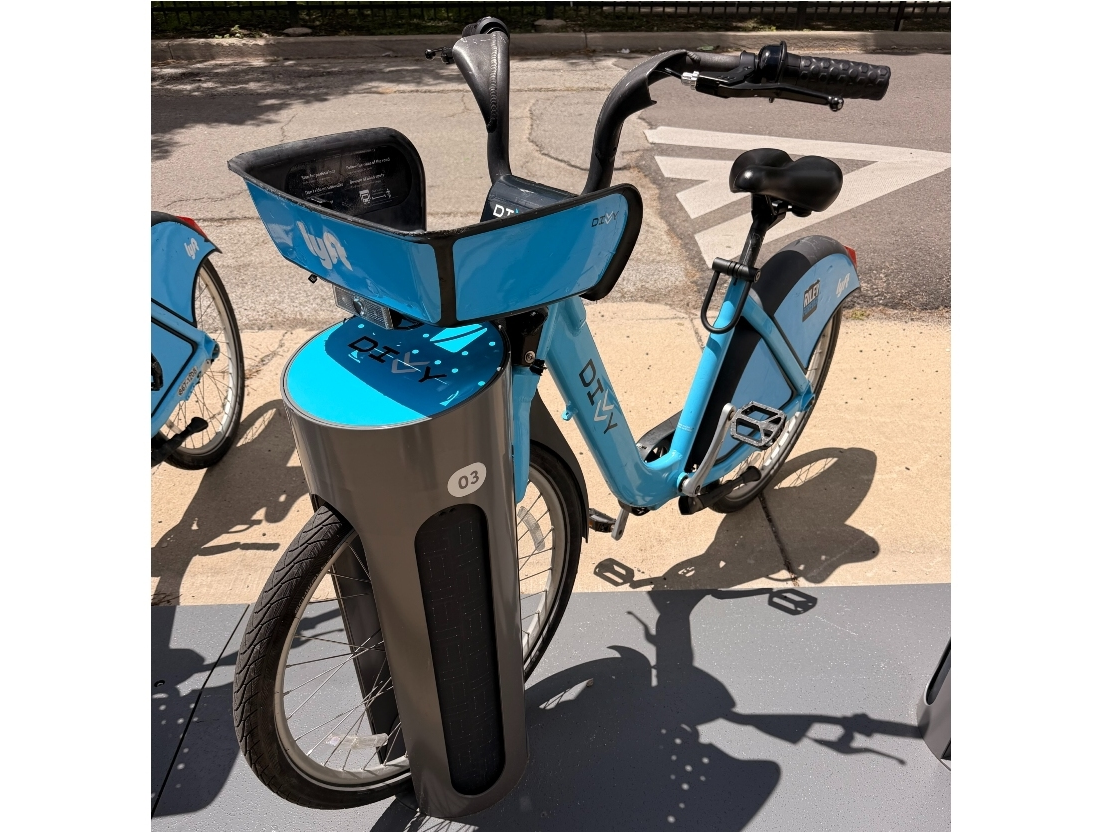
The law would create statewide standards for e-bikes, e-scooters and other micromobility devices, with more rules for faster devices.


EDITOR'S NOTE: In a previous version of this story, Patch incorrectly reported provisions of Senate Bill 3484 will take effect on July 1. Instead, if signed by Gov. JB Pritzker, they would begin taking effect on Jan. 1, 2027. We apologize for this error.
New statewide rules for e-bikes, e-scooters, and other micromobility devices could go into effect next year as suburbs continue to grapple with fatal crashes, enforcement questions and a patchwork of local ordinances.
The law, Senate Bill 3484 creates uniform classifications and operating standards for low-speed e-bikes, e-scooters, skateboards, unicycles and similar devices, while targeting higher-powered devices capable of exceeding 28 mph.
Find out what's happening in Across Illinoisfor free with the latest updates from Patch.
If signed by Gov. JB Pritzker the bill would take effect on Jan. 1, 2027. The office of Secretary of State Alexi Giannoulias tells Patch the date was chosen to provide "time for public education, implementation and outreach to riders, retailers, law enforcement and local communities."
RELATED: Illinois Senate Unanimously Passes Giannoulias E-Bike Bill
Find out what's happening in Across Illinoisfor free with the latest updates from Patch.
The legislation is aimed at devices that have become faster and more powerful than traditional bicycles and scooters, while falling outside older state rules.
State officials have pointed to a sharp increase in injuries and deaths involving micromobility devices as a reason for the changes. According to the Illinois Secretary of State's Office, micromobility-related injuries and fatalities surged 300 percent nationally from 2019 to 2022, including in Illinois.
"As these devices become faster, heavier and more powerful, our laws must keep pace to protect riders and the public," Illinois Secretary of State Alexi Giannoulias said in announcing the proposal earlier this year. "This initiative closes dangerous regulatory gaps, creates uniformity across Illinois communities and ensures riders understand the responsibilities that come with high-speed electric devices."
Fatal Crashes In The Suburbs
The statewide rules come after several serious and fatal e-bike crashes in the suburbs.
In September 2025, a 16-year-old Mount Prospect boy, Samuel Alfaro Acevedo, was killed after he struck a pickup truck while riding an electric bike in Arlington Heights.
RELATED: Boy, 16, Killed After Electric Bike Strikes Truck — Arlington Heights PD
Arlington Heights police said at the time that Acevedo was riding an electric bicycle at a high speed when the crash occurred. Police said he was not wearing a helmet.
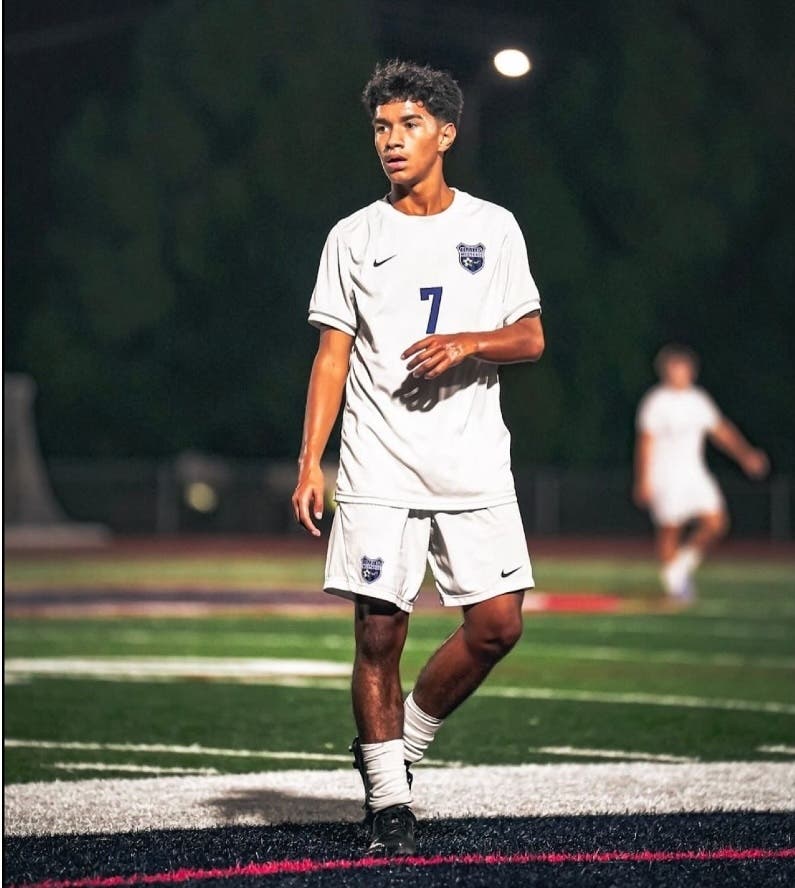
Acevedo was a Rolling Meadows High School student. Principal Megan Kelly later said his death had "deeply impacted" classmates, teammates, teachers and the school community.
More recently, 19-year-old Luis Toaquiza was killed in a Franklin Park crash involving a passenger vehicle and an e-bike near Belmont Avenue and George Street. Franklin Park police said the driver remained at the scene and spoke with officers, and the Major Crash Unit from the West Suburban Major Crimes Task Force was investigating.
RELATED: 19-Year-Old E-Bike Rider Killed In Franklin Park Crash
The Cook County Medical Examiner's Office listed Toaquiza's cause of death as multiple injuries from a motor vehicle striking a bicyclist.
Towns Have Been Passing Their Own Rules
Before the statewide framework, several suburbs had already moved to regulate e-bikes, e-scooters and related devices on their own.
In Elmhurst, aldermen approved new rules earlier this year after officials said residents were increasingly concerned about e-bike and e-scooter behavior. One alderman said he had seen "close disasters" involving the devices in his neighborhood.
Elmhurst police also recently released video of a 10-year-old electric motorcycle rider crashing into a car. Police said the bike was not street legal in Illinois, and the boy's parent was cited.
La Grange also adopted rules restricting certain higher-speed e-bikes and e-scooters. Village officials said the rules were aimed at safety concerns in the downtown area and were not meant to target casual riders using lower-speed devices responsibly.
RELATED: La Grange Joins Suburban Crackdown On E-Bikes
Oak Lawn trustees approved restrictions involving low-speed electric bicycles, electric scooters and related devices, including rules affecting where certain vehicles can be used.
In Glenview, village officials have reminded residents that e-bikes and e-scooters are not permitted on public streets, sidewalks, parking lots, bike paths or other public property under local ordinance.
Glenview police have also reported enforcement issues involving electric bikes, including one blotter item in which a man on an electric bike allegedly eluded an officer.
What The State Rules Do
The new statewide framework keeps Illinois' existing three-class e-bike structure for lower-speed electric bicycles, while creating clearer standards for faster devices.
Under the broader framework, higher-speed e-bikes and e-motos capable of exceeding 28 mph are expected to face stricter requirements, including licensing, title, registration and insurance rules beginning in 2027.
The law also addresses other micromobility devices, including e-scooters, electric skateboards and electric unicycles.
Supporters have said the goal is to replace inconsistent local rules with statewide standards, making it easier for riders, parents, police and municipalities to understand what is allowed.
State Sen. Ram Villivalam, chair of the Senate Transportation Committee, sponsored the legislation and said micromobility has become part of everyday life, but "innovation without guardrails puts people at risk."
State Rep. Barbara Hernandez, the House sponsor, said the legislation is meant to set clear rules for higher-speed devices and reduce confusion for law enforcement.
Get more local news delivered straight to your inbox. Sign up for free Patch newsletters and alerts.


