Crime & Safety
9 McHenry Co. Communities To Enact New DUI Policy
The police departments will be able to seek a warrant to require the DUI suspects to submit for a blood draw if they refuse a breathalyzer.


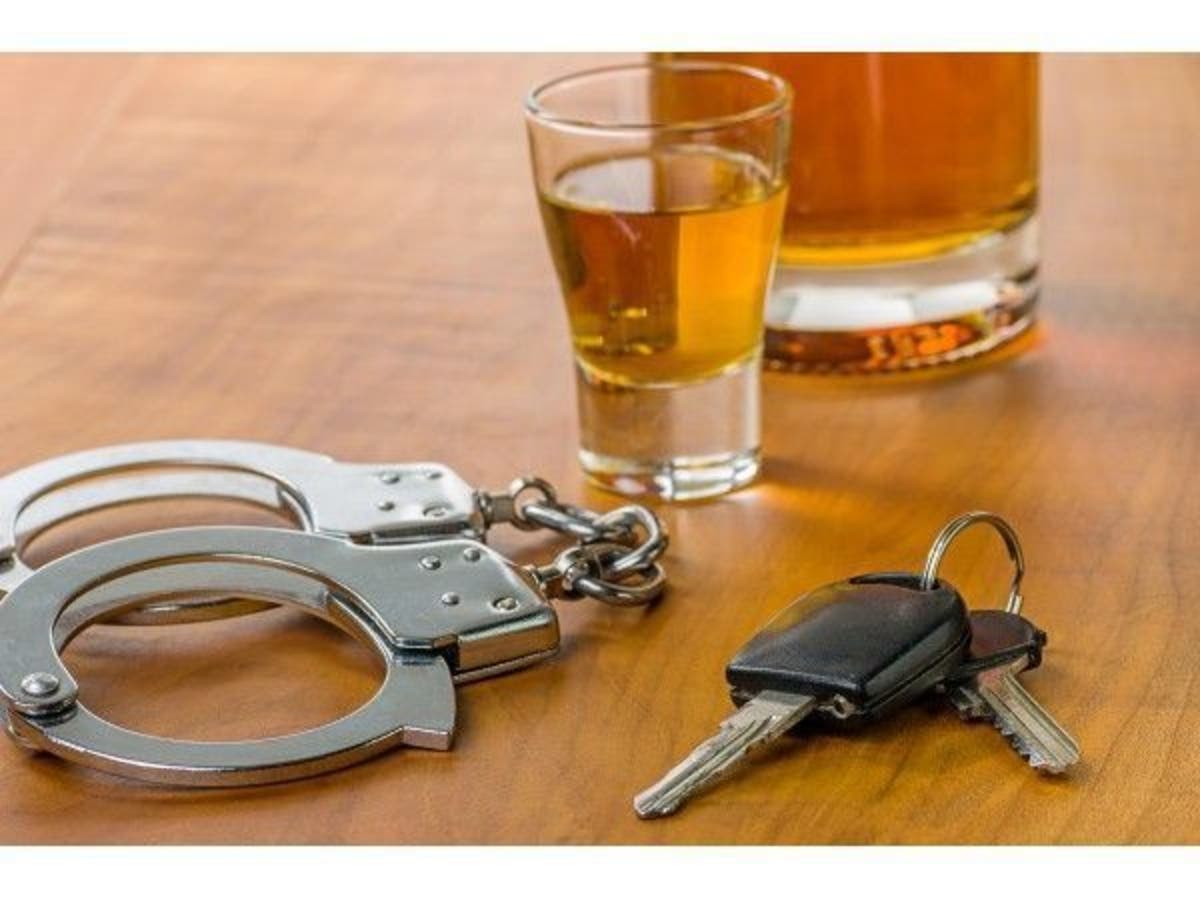
MCHENRY COUNTY, IL – Nine police departments in McHenry County will enact a new policy in the next week that will make it much easier for authorities to require drunken drivers to submit a blood sample for testing to determine their blood alcohol level, authorities said Wednesday. Working in collaboration with the McHenry County State's Attorney's Office, police departments in Algonquin, Cary, Harvard, Huntley, Johnsburg, Lake in the Hills, McHenry, Spring Grove and Woodstock will begin seeking warrants for a blood draw if the DUI suspect refuses breathalyzer testing after being pulled over. The new policy will take effect on April 15, according to a news release from the McHenry Co. State's Attorney's Office.
Currently, if a DUI suspect refuses a breathalyzer he faces severe civil penalties, such as suspension of driving privileges. But police officers cannot generally require or physically force a suspect to submit to take the test, according to authorities.
"As such, many DUI suspects, mostly those who subjectively believe their blood alcohol concentration to be above the legal limit of 0.08 g/dL, often attempt to obstruct a DUI investigation by refusing to submit to breathalyzer testing," according to the state's attorney's office news release. "This is especially true of repeat DUI offenders. Refusal is done in an effort to ensure that breathalyzer results cannot be used in a subsequent criminal prosecution."
Find out what's happening in Algonquin-Lake In The Hillsfor free with the latest updates from Patch.
The new policy is meant to "not allow DUI suspects to undermine criminal prosecutions in this way," prosecutors said.
Rather, should a DUI suspect refuse breathalyzer testing, a warrant will be sought allowing police to draw the suspect’s blood. Should the warrant be granted, the suspect will be transported to a nearby emergency room where his/her blood will be drawn and tested for blood alcohol concentration.
Find out what's happening in Algonquin-Lake In The Hillsfor free with the latest updates from Patch.
"This policy will ensure that prosecutors are equipped with the strongest possible evidence in court and, thereby, that all DUI offenders are held accountable," according to prosecutors.
In addition to holding offenders accountable, Cary Police Chief Finlon said the initiative “will create strong cases for the prosecution, thereby encouraging a defendant to seek plea negotiations, reducing the need for investigating officers to appear in court, and improving law enforcement patrol staffing.”
The policy will work in conjunction with the electronic warrant system, which was launched in January 2017. The electronic warrant system creates a streamlined process that police can follow to obtain a warrant
without ever having to leave the police station, according to a news release. Specifically, the e-warrant system allows police to create search warrants online, send those warrants for review to a judge electronically, interact with the judge via video-conferencing, and ultimately obtain a warrant through a judge’s electronic signature.
“The days of drunk drivers refusing to blow thinking that they can beat a DUI charge are coming to an end,” said Patrick Kenneally, McHenry County State’s Attorney. “This new policy means that we’re going to ensure we have all the evidence we need to successfully prosecute drunk drivers every time.”
Photo via Shutterstock
Get more local news delivered straight to your inbox. Sign up for free Patch newsletters and alerts.