Sports
Horses Heal With Equine Therapy
Barrington's Walk On Farm provides a different type of therapy session for those with physical, cognitive, social and emotional disabilities.
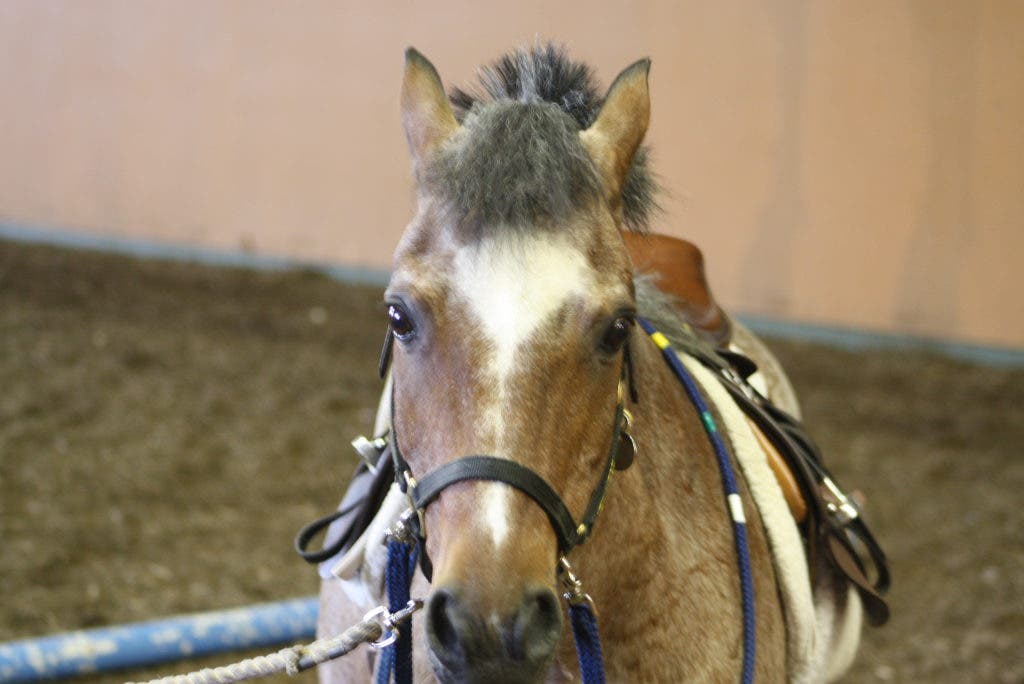


Mary Illing, a licensed occupational therapist and program director for Walk On Farm in Barrington, believes that equine therapy is about more than just the big triumphant stories, although she has plenty of those to tell you too.
“It’s not always about the kid you see making huge, amazing strides,” Illing said “It’s about the kid you have seen struggling and struggling and then, after months, he finally gets it; and he is smiling.”
Walk On Farm, which derives its name from the term used to move a horse forward during a therapeutic lesson, is a nonprofit organization that began in 2006 to help people with various disabilities by using horseback riding as therapy. The program is served by seven trusted horses working with about 50 participants who vary in age from 3 to 80 and suffer from any number of cognitive, social, emotional or physical disabilities. But since the farm’s inception, more than 150 riders have worked with the horses and have had different levels of success.
Find out what's happening in Barringtonfor free with the latest updates from Patch.
Perhaps Illing’s most heartwarming story is one of a hospice patient who suffered from a Parkinson’s-like disease and was in the final phases of life. Left with very little physical strength and no communication but through the squeeze of a hand, Illing and the family were able to see significant changes after each therapy session.
“She was more alert, sat up straighter for longer periods of times, and toward the end she began to guide the horse with slight movements of her hands,” Illing said of one of the more motivated riders she has worked with. “What was most amazing was when we were done with therapy, Taco (one of the horses used for the sessions) would turn around and just put his head right on her lap.”
Find out what's happening in Barringtonfor free with the latest updates from Patch.
“Later when she had passed away on a Monday, Taco wouldn’t come in for breakfast the following day,” Illing went on to say of the remarkable bond she saw forged.
The amazing story helps highlight the different ways horses have provided relief to the riders needing the occupational therapy.
“We can re-create that natural ‘walk feel’ by sitting the rider in the saddle correctly,” said Illing of the riders who have various levels of complications that may prevent them from walking properly. The horse “will rotate the rider’s pelvis almost like walking does, since the horse's walk is only about two beats off from our walk.”
The riders also benefit from the horses due to the twisting of the trunks of their bodies as the horse walks, helping the patient with balance, coordination, strength training and even cognizant disabilities.
“That repeatable, regular and rhythmic movement of the horse helps bring the child’s arousal or stress level to normal,” Illing went on to say of children who may suffer from anxiety disorders or autism. “It’s very neutralizing for them, and when these kids get to that optimal state that is when (the kids) start to do some amazing things.”
But the riders aren’t the only ones benefiting from the sessions, as some of the volunteers have seen remarkable changes in themselves as they lend a hand on the project.
“We have some volunteers that come because they love being around the horses,” Illing said. “Then they end up staying for the kids.”
Illing believes that volunteers are not only an integral part of making the riding process a reality, but can take stock in the astonishing things that happen on a daily basis.
“We live by our volunteers and they get to do amazing things,” Illing said of the people helping out with equine therapy. “When you get to help someone walk for the first time you have a piece of that.”
One of the most demanding functions for the volunteer staff is working to offset the expensive costs associated with running the farm. Volunteers not only work on the farm during therapy, but also are grant writing, fundraising and procuring donations to help cover about 55 percent of the costs to run the program. Horse maintenance, farm and facility upkeep, equipment, staffing and the costs for assessments are just some of the many costs associated with the program, and so the farm relies heavily on community support.
“We really want to give everyone a chance to have this opportunity,” Illing said. “We are fortunate that we live in a generous and helpful community, otherwise participating in the program would be tougher for so many.”
For more information regarding therapy at Walk On Farm or for donations and volunteering, please visit their web site at walkonfarm.org.