Politics & Government
Hinsdale Now Under Federal Consent Decree
Group home director is "in this for the money," the village president said.


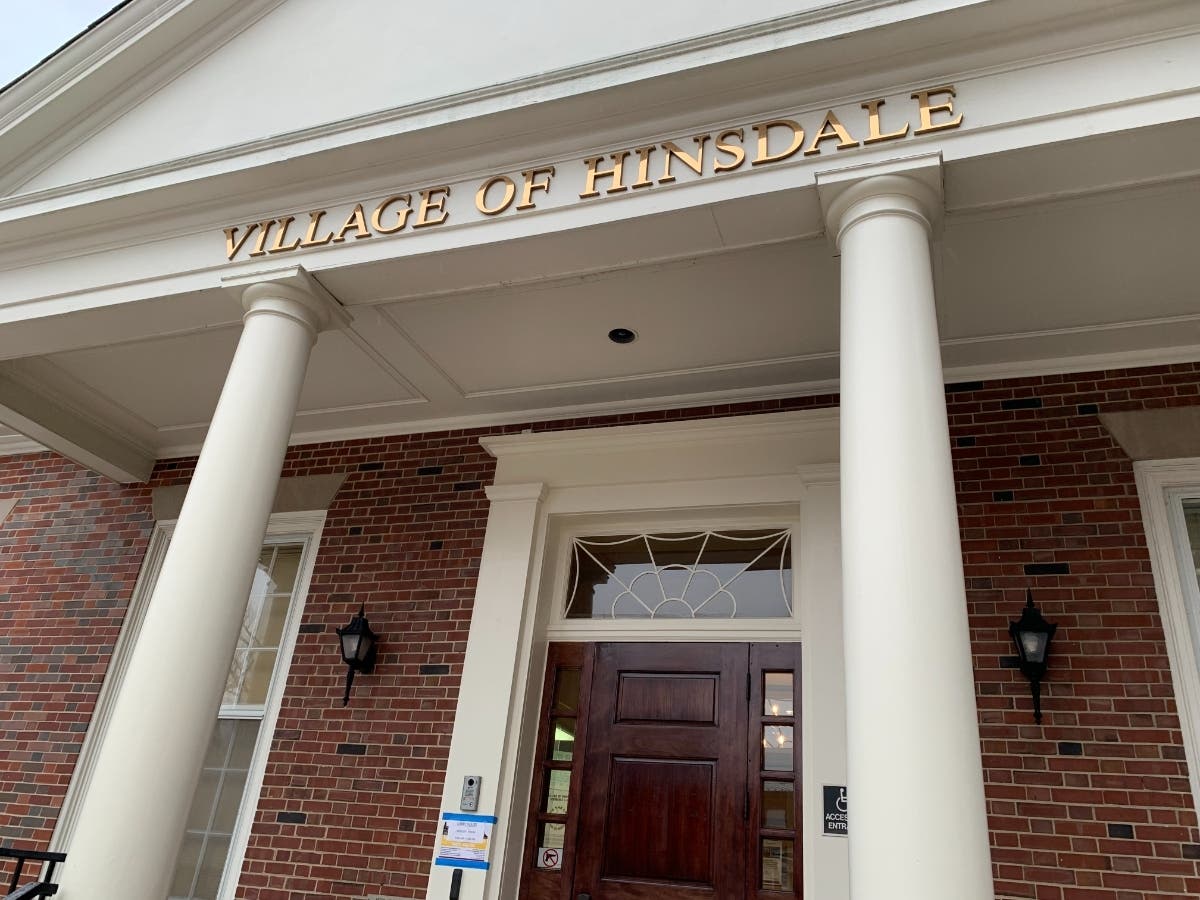
HINSDALE, IL – Hinsdale, one of the wealthiest towns in Illinois, is now under a federal consent decree as part of a settlement over fair housing litigation.
On Tuesday, the Village Board unanimously approved an agreement with the U.S. Department of Justice and a sober living home.
Two weeks ago, Patch reported the terms of the settlement, which included a $790,000 payment from Hinsdale to Trinity Sober Living.
Find out what's happening in Hinsdale-Clarendon Hillsfor free with the latest updates from Patch.
Before the board's vote, Village President Tom Cauley read a 15-minute statement defending the village and denouncing Trinity and its executive director, Michael Owens.
"Mr. Owens has always been in this for the money," Cauley told the board. "He was in a no-lose situation because the federal government was doing all the work for him at the government's expense. And the government would not settle with the village unless the village also settled with Owens by paying him money."
Find out what's happening in Hinsdale-Clarendon Hillsfor free with the latest updates from Patch.
In an email to Patch on Friday, Owens had a different view.
"When asked, during his deposition, why Cauley and administration officials decided to file a lawsuit the day after my attorney sent an email requesting a reasonable accommodation, Cauley responded, 'We didn’t appreciate the tone of their email,'" Owens said. "Again, Cauley instructed the village attorney to file their lawsuit the next morning. It was also just one week after I had village officials over to the house for a tour and a cordial meeting."
In his speech Tuesday, Cauley said the village settled because the expense would be far greater if the litigation continued. Of the $790,000, the village would only pay $38,000, while the rest would be covered by the village's insurer and money that the village had on deposit with the insurer, he said.
The litigation has cost the village more than $1.5 million.
Three years ago, Cauley said, Owens had no intention of informing the village that he was setting up a home for men with addictions at 111 N. Grant St. Such a home would need the village's approval as an exception to its rule banning more than three unrelated people in a house in a single-family zone, he said.
"This was Trinity's plan all along," Cauley said. "During discovery, the village uncovered an email by the owner of Trinity, Michael Owens, discussing setting up a group home under the radar and when the town objects, suing for damages in federal court claiming discrimination."
In his email to Patch, Owens said the email did not come from him. Rather, he said a consultant sent him that email and that Owens told the consultant that he did not agree. (Patch has filed a public records request for the email in question.)
Cauley noted a federal judge recently put an end to the Department of Justice's efforts at discovery, saying the judge compared it to a "runaway train" and a "monster on the loose."
The consent decree, which Cauley said changes little, is set to last four years.
"It creates a lot of paperwork and requires the village to adopt procedures that are more involved than any of the procedures we have now," he said.
At the end of the day, Cauley said, the village can still enforce its rule on the number of unrelated people in a house.
Just as before, he said, the village will consider requests for those with disabilities, including those suffering from addictions, for reasonable accommodations under the zoning code. In Trinity's case, Cauley said, the group refused to discuss its plan with the village.
He also noted the Department of Justice is levying the village a $10,000 civil penalty under the consent decree.
The relatively low amount and the terms of the settlement, he said, "give you an idea what the government ultimately thought about this case against Hinsdale after fact discovery closed."
No other trustees commented on the agreement, other than a correction to it made by Trustee Laurel Haarlow.
When Trinity opened in July 2019, it drew almost immediate objections from neighbors.
In response, the village called for the house's closure, saying it was a commercial operation in a residential neighborhood. And it said the house violated the rule on unrelated people.
In fall 2020, Trinity filed its lawsuit just a few weeks before the U.S. Department of Justice did.
Shortly before the federal government sued, the village backed down on its argument that the group home was a commercial operation.
Trinity moved out of its Hinsdale house in late 2020. It has a house in Bensenville.
Get more local news delivered straight to your inbox. Sign up for free Patch newsletters and alerts.