Health & Fitness
How opioid addiction affects moms and babies
Without help, the consequences of opioid use can be devastating for moms and babies.
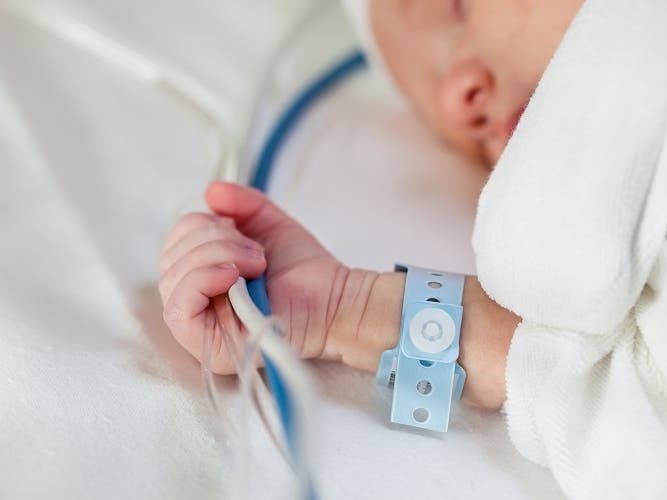
Opioid use in pregnancy has escalated dramatically in recent years, says the American College of Obstetricians and Gynecologists (ACOG), but it doesn’t always begin with illicit opioids like heroin.
For most expectant moms who struggle with opioid use disorder, it began with a prescription to manage pain.
It is essential for these women to begin seeing a doctor as soon as possible. Without help, the consequences of opioid use can be devastating for moms and babies.
Find out what's happening in Napervillefor free with the latest updates from Patch.
Pregnant women with opioid use disorder are more likely to experience preeclampsia, placental abruption, PROM (premature rupture of membranes), miscarriage, stillbirth and even maternal death.
In 2017, opioid poisoning was the most common cause of pregnancy-associated death in Illinois.
Find out what's happening in Napervillefor free with the latest updates from Patch.
According to the Centers for Disease Control and Prevention, infants exposed to opioids during pregnancy might be more likely to:
- Be born preterm (before 37 weeks of pregnancy), which can cause health problems later in life
- Have poor fetal growth and low birthweight, which can cause health problems later in life
- Have longer hospital stays after birth, or be re-hospitalized within 30 days of being born
- Be born with birth defects (e.g., congenital heart defects, gastroschisis, glaucoma, neural tube defects)
- Be at increased risk for sudden infant death syndrome
Additionally, opioid exposure during pregnancy has been linked to neonatal abstinence syndrome (NAS), a drug withdrawal syndrome in newborns. About 2-3 days after a baby with NAS is born, he/she will go through withdrawal symptoms, such as: shaking/tremors, excessive crying, seizures, fever, poor feeding, vomiting, diarrhea, dehydration and sleep problems. NAS can last for days or weeks.
Between 2011 and 2016, there was a 52 percent increase in the NAS rate in Illinois. The longer-term outcomes of children exposed to opioids prenatally are largely unknown, but a recent study suggests that babies with NAS may be more likely to have a developmental delay or speech/language impairment in early childhood.
For women who begin their pregnancy addicted to opioids, it’s critical to begin seeing a doctor as soon as possible. Quickly stopping opioids during pregnancy can lead to preterm labor, fetal distress or miscarriage.
Expectant moms with opioid use disorder often need medication-assisted treatment (MAT) to treat the disorder in a way that’s safe for mom and baby. MAT can help prevent withdrawal, reduce cravings and reduce the risk of pregnancy complications.
Edward-Elmhurst Health takes part in Mothers and Newborns Affected by Opioids (MNO), a statewide initiative implemented by the Illinois Perinatal Quality Collaborative to improve the quality of care provided to mothers and newborns affected by opioids. Some goals of the MNO initiative include:
- Providing routine screenings in our prenatal offices to identify expectant moms with opioid use disorder as early as possible.
- Linking moms to a multidisciplinary team, including experts in obstetrics, neonatology, maternal fetal medicine, behavioral health and other specialties.
- Providing moms with comprehensive clinical care alongside addiction care — from prenatal, labor and delivery and postpartum care.
- Providing opioid-exposed newborns with optimized care and encouraging moms to participate in the care of their newborns.
- Preventing opioid use disorder through education and strategies to reduce opioid prescriptions.
For expectant mothers, there is help and hope for opioid use disorder. With the right help, women can have a healthier pregnancy and begin the road to recovery for a better life for themselves and their babies.
For more information on women’s services at Edward-Elmhurst Health, check www.eehealth.org/services/pregnancy-baby/. To learn more about Addiction Treatment at Linden Oaks Behavioral Health, check www.eehealth.org/services/behavioral-health/specialties/addiction/.