Politics & Government
Skokie Violated Law By Withholding Water Docs: Attorney General
The village improperly denied a request for communication with Evanston ahead of a lawsuit over water prices between the neighboring towns.


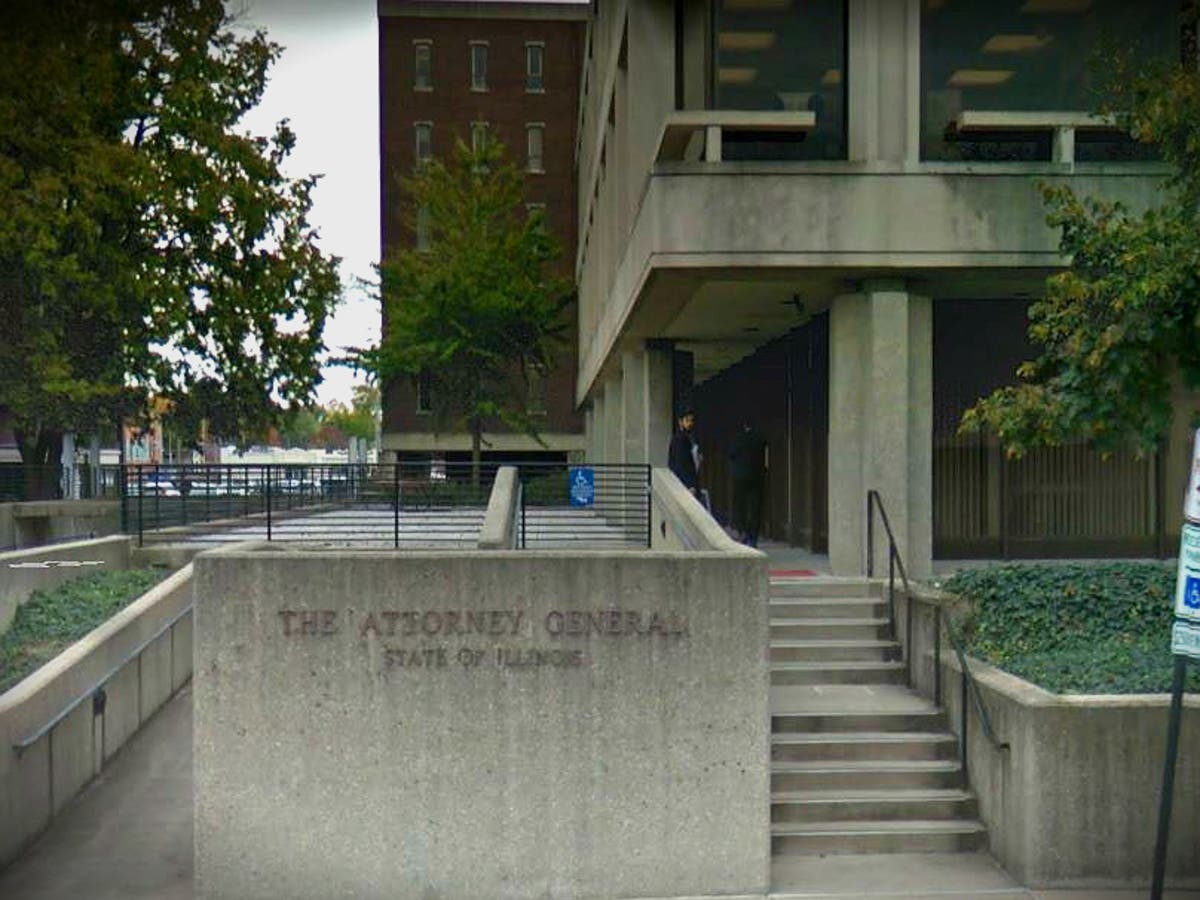
SKOKIE, IL — Skokie village officials improperly denied a request for letters sent from representatives of Evanston ahead of a legal battle over water rates, according to the Illinois Attorney General's Office.
In June, Skokie Patch requested letters sent by Evanston City Manager Wally Bobkiewicz to Skokie officials last year. On Thursday, Assistant Attorney General Teresa Lim asked the village to turn over the letters, finding that correspondence between two municipalities are not confidential attorney-client communications.
Taxpayers in Evanston and Skokie have been paying lawyers to argue about water rates for more than a year since the expiration of a 20-year water contract and Evanston's unilateral adoption of a higher wholesale rate.
Find out what's happening in Skokiefor free with the latest updates from Patch.
Evanston asked a Cook County judge to enforce the higher rate, suing its neighbor 13 months ago. Skokie responded by raising prices on its consumers, lowering the price it paid its supplier and filing a federal lawsuit in June accusing Evanston of violating its civil rights. Neither of the two suits have made it to a ruling on motions for their dismissal.
Improper Denial
Skokie's initial denial of the request for letters it had received from Bobkiwicz or his agents said the information was "used, prepared and/or advised by our attorneys in anticipation of a civil proceedings [sic]" and cited the exemption in the Illinois Freedom of Information Act for privileged attorney-client communications. The village did not provide any evidence for this claim.
Find out what's happening in Skokiefor free with the latest updates from Patch.
Patch requested a review of the denial from the state's Public Access Counselor, which is empowered to resolve disputes over FOIA or the Illinois Open Meetings Act without the need for litigation.
"A letter from the city manager of Evanston sent to Skokie prior to the filing of any civil or administrative proceedings is not protected by attorney-client privilege, was not compiled by Skokie in anticipation of any such proceedings and was not prepared at the request of an attorney advising the Village of Skokie," a Patch editor wrote, referencing the statutory language of the exemption cited by the village.
On July 3, the attorney general's office determined that further review of the denial was warranted and asked Skokie to turn over the improperly denied records, asking it to provide the legal justification under which they were withheld.
Skokie responded July 11, writing that "upon receipt of those letters, discussions were held with Corporation Counsel [Michael Lorge] regarding potential responses."
The attorney general's office disagreed in her Oct. 25 finding:
This office has reviewed the letters that were withheld by the Village. The letters are not confidential communications between the Village and its corporation counsel, but rather communications between two municipalities. Both letters were sent to the Village' s corporation counsel, but there is no indication that the corporation counsel has an attorney- client relationship with the other municipality that was a party to the correspondence. Consequently, the letters are not confidential attorney- client communications. Although the Village stated that it had discussions with its corporation counsel regarding possible responses to the City of Evanston, the letters do not consist of those discussions. Accordingly, this office concludes that the Village did not demonstrate by clear and convincing evidence that the letters are exempt from disclosure pursuant to section 7( 1)( m) of FOIA.
Michael Lorge, Skokie's village attorney, has not responded to a query asking whether the village planned to comply with the request and when the records would be provided. (Update: Though Skokie did not immediately comply with the request from the attorney general's office, it eventually provided a series of letters.) Separately, Evanston has partially denied requests for communication with Skokie about the water dispute. Evanston Patch continues to seek those records in light of the ruling from the attorney general's office.
The latest finding is not the first time Skokie has been found to violate state open records law. In February, the village claimed it would reveal its "litigation strategy" if it released records of how much money it had paid the Vic Filippini and his Evanston-based law firm.
After the attorney general's office informed the village it is required to disclose how much money it spends on outside lawyers, the village relented and provided redacted versions in April. Those records showed the village spent nearly $30,000 with Filippini's firm in 2017 and early 2018. The village also spent $421,979 on legal services and fees with the Rosemont-based firm of Clark Baird Smith LLP in the same period.
These fees are on top of Lorge's salary of more than $200,000 with over $31,000 in benefits. The office includes three more full-time attorneys at salaries of up to nearly $130,000 and two part-time village attorneys, including an unfilled $36,000-a-year part-time position approved last month. The office's total budget was about $750,000 in Fiscal Year 2017.
Lawsuit Status
With no clear end in sight for the legal battle between the two towns, law firms appear to be the biggest winners from the water dispute so far. In the federal case, Skokie responded to Evanston's motion to dismiss its suit on Oct. 2. Evanston filed its reply Oct. 15.
In the village's request for the judge not to dismiss the case, Lorge and attorneys from the firm Foley & Lardner argued the state court was unable to satisfy its constitutional claims, including the allegation the water rate was punitive and "serves Evanston’s irrational and arbitrary interest in earning back revenue it perceived it had lost under earlier contracts or to close the gap in Evanston’s growing 7.5 million dollar municipal deficit."
Plaintiffs are entitled to equal access to the protected right to water and unilateral demands for erratic, disparate and unjustified water rates, flagrantly interfering with this protected right. Evanston’s behavior cries out for Federal Court protection, not to limit water rates, but to require equal application of consistent water rate calculations to all customers. The record at trial will demonstrate that Evanston’s elected officials sought to impose a punitive water rate on Skokie far in excess of any of its customers. Further, the facts will reveal that Evanston set its rates without meaningful consultation with any recognized water rate expert and in a manner that national water rate experts deem far outside accepted practices. Only this Federal Court can bring these practices and those of other Illinois municipal water sellers, in line to create fairness and equal access under the rights protected by federal law.
Derke Price of Ancel Glink, Evanston's attorney in the case, described the suit as a "simple statutory rate dispute that Skokie masquerades as a constitutional outrage in the hopes of obtaining some political advantage." He argued the dispute belongs in state court.
The Plaintiffs’ Response confirms that the major premise in Plaintiffs’ argument is that the Plaintiffs have a fundamental right to water from the City of Evanston independent of the Illinois statute granting that right and governing the relationship between supplier (Evanston) and customer (Skokie) (it bears repeating that only Skokie is a possible customer of Evanston, not any of the individual plaintiffs). However, Skokie does not (because it cannot) allege that Evanston has shut-off its water supply. Nor does Skokie allege that Evanston has attempted to extort them with ridiculous rates (as Skokie’s rate would still be 33% less than Evanston residents pay for water). So, the constitutional right that Skokie is asserting is actually a right to receive water from Evanston at a rate of Skokie’s choosing. Not one of the cases that Plaintiffs cite suggest that such a constitutionally protected right exists.
Judge Charles Kocoras will issue a ruling on the motion by mail, and court records indicate no deadline has been set. Proceedings in the Cook County suit, which were put on hold pending a ruling on Skokie's federal suit, are set to continue Dec. 17 in Chicago.
Earlier:
- Evanston Asks Federal Judge To Dismiss Skokie Water Lawsuit
- Village Hikes Consumers Prices While Unilaterally Cutting Payments
- Skokie Sues Evanston Saying New Water Rate Violates Civil Rights
- Skokie Calls Evanston Water Lawsuit 'Reckless And Hostile'
- Evanston Sues Skokie To Enforce Water Rate Hike
Read more:
Skokie Responds to Evanston's Motion to Dismiss
Evanston Replies to Skokie's Response to the Motion to Dismiss
Get more local news delivered straight to your inbox. Sign up for free Patch newsletters and alerts.