Community Corner
The Big Project: Rebuilding After 9/11
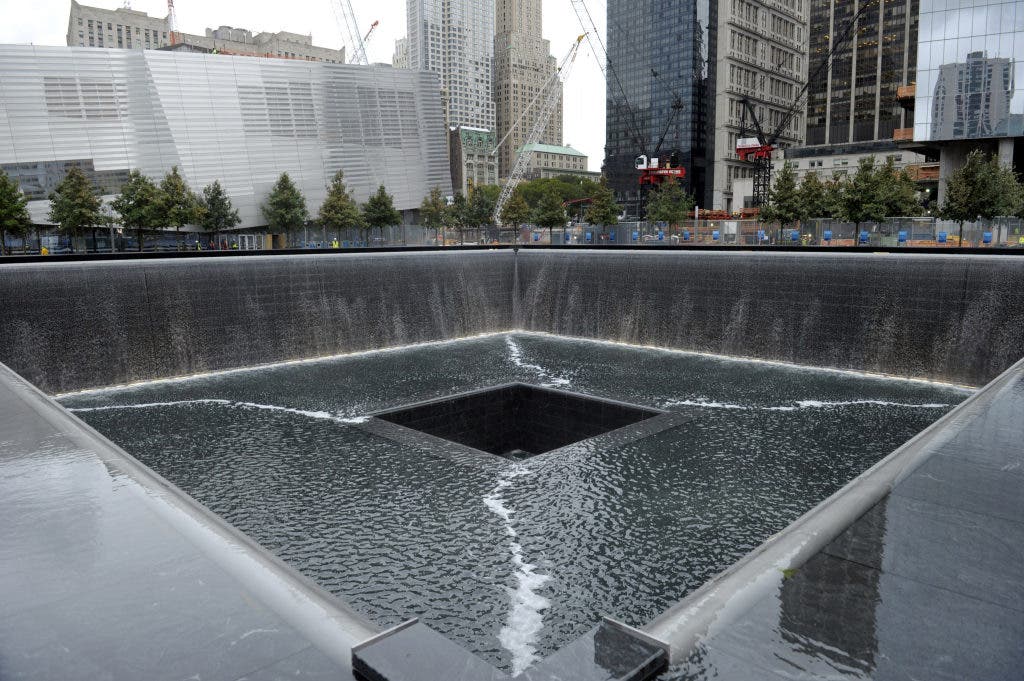
A local Muslim-American woman, whose brother is a landscape architect working on the 9/11 Memorial Park, shares her thoughts on the 10th anniversary of Sept. 11.
On a beautiful autumn day 10 years ago, I was pregnant, pushing my toddler in a baby stroller, and trying to escape the television.
Walking the trail that bordered our apartment complex I was struck by how quiet it was (we lived near the airport and no jets were flying that day) and how despite the horrors I was seeing on the TV screen, the birds were still singing, the cicadas called and the butterflies hummed in a daze searching for nectar.
Life continued, but like many Muslims, the events of 9/11 sparked off an intense questioning of my faith. I converted to Islam in 1997, and I asked myself, how could someone commit those atrocious crimes in the name my religion? I have been struggling with that question for the past 10 years.
Find out what's happening in Woodridgefor free with the latest updates from Patch.
A decade has passed. The toddler now stands at shoulder height, the baby in my womb is a mischievous fourth-grader who likes to tease his big brother, while my own younger brother is working on the biggest project in his career.
My brother, Conard Lindgren, is a landscape architect in charge of overseeing the landscape construction installation at the 9/11 Memorial Park. His job, as he says, “is to make sure everything is perfect.”
Find out what's happening in Woodridgefor free with the latest updates from Patch.
This has not been an easy assignment for him: The pressure has been intense; he commutes from San Francisco to New York City; and his family has made sacrifices. He is not a Muslim, and like many Americans, he prefers to keep matters of faith to himself. He is very proud to be working on the 9/11 project, but it has come with a cost.
As I talk with him about his work, it sinks in that he works in a place where thousands of people were murdered. There is a great sadness in working at such a place, feelings that have to be ignored to get through the day and complete the work.
When he describes this to me, it reminds me of the time, years ago, when I visited the Dachau Concentration Camp in Germany.
The first thing that strikes you about a concentration camp is how ordinary it is. Evil is rather commonplace.
I walked through the exhibits, I saw the ovens, I looked at the shanties that housed the prisoners. I tread the same ground as the Nazis and their victims, and I wondered how could this have happened.
Two phrases were etched into my mind that day: Heinrich Heine, “Where they burn the books, they will end in burning human beings” and Martin Niemöller, “When the Nazis came for the communists, I remained silent; I was not a communist. When they locked up the social democrats, I remained silent: I was not a social democrat. When they came for the trade unionists, I did not speak out, for I was not a trade unionist. When they came for the Jews, I remained silent, I wasn’t a Jew. When they came for me, there was no one left to speak out.”
On that cloudy spring afternoon in Dachau, I was amazed at the many sculptures that surrounded the camp. The artists captured the pain and hurt of this place, but this art was asking me to transcend that pain.
Horrible, awful things happened there, and we cannot not let it happen again. We must remember that we are all bound by ties of family, friendship and faith, and these are the connections that we must fight, with all our heart, to maintain. To be silent, to let the bullies win, to do nothing, is not acceptable.
I left Dachau feeling deeply saddened by the tremendous number of lives that were lost but energized with a purpose to do my best to never let something like this happen.
Never is not an easy word for a human being, and 9/11 happened on my watch. I am not responsible for the choices those terrorists made, but I am responsible for the aftermath. I hope that the 9/11 Memorial Park will bring some comfort to the families of the victims, and I also hope that it will give all of us a big project: to build bridges of communication, understanding and patience with our friends as well as with those who would be our enemies.